Stop overpaying for grocery store bouquets that wilt before you even get them home. I’ve spent way too many afternoons covered in pollen and leaf clippings to let you settle for mediocre decor. Whether you’re a pro or a total “plant killer,” these 14 spring flower arrangement DIY projects will make your space look like a high-end editorial. Ready to turn your kitchen table into a botanical masterpiece? 🙂
1. The Monochromatic Tulip Twist
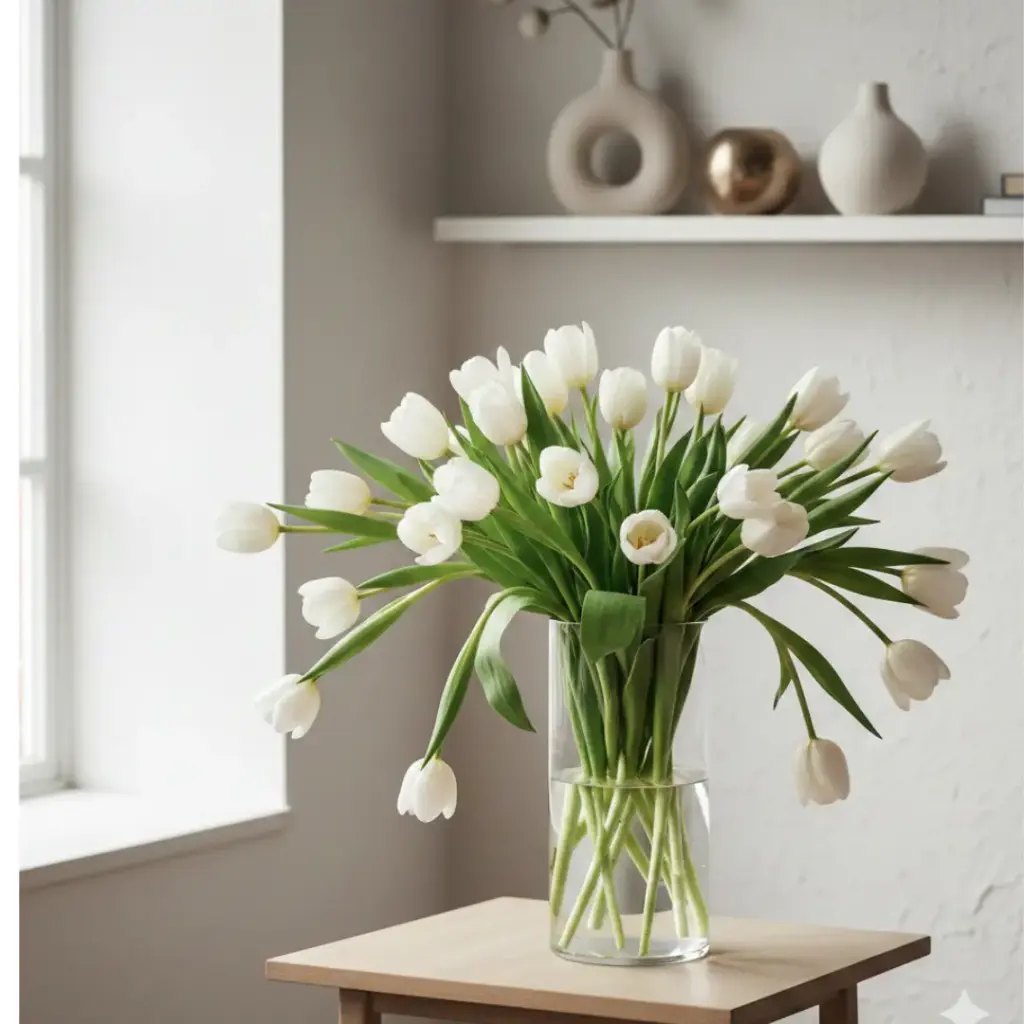
Tulips are the undisputed royalty of spring, but they have a mind of their own. Ever noticed how they keep growing toward the light even after you cut them?
It’s a bit creepy, but we’ll use that movement to our advantage. Stick to one solid color like a creamy white or a pale blush for a sophisticated, modern vibe.
- Trim stems at a sharp angle to maximize water intake.
- Remove all submerged leaves to prevent slimy, stinky bacteria growth.
- Use a clear glass cylinder vase to showcase the architectural beauty of the stems.
2. Rustic Mason Jar Wildflowers
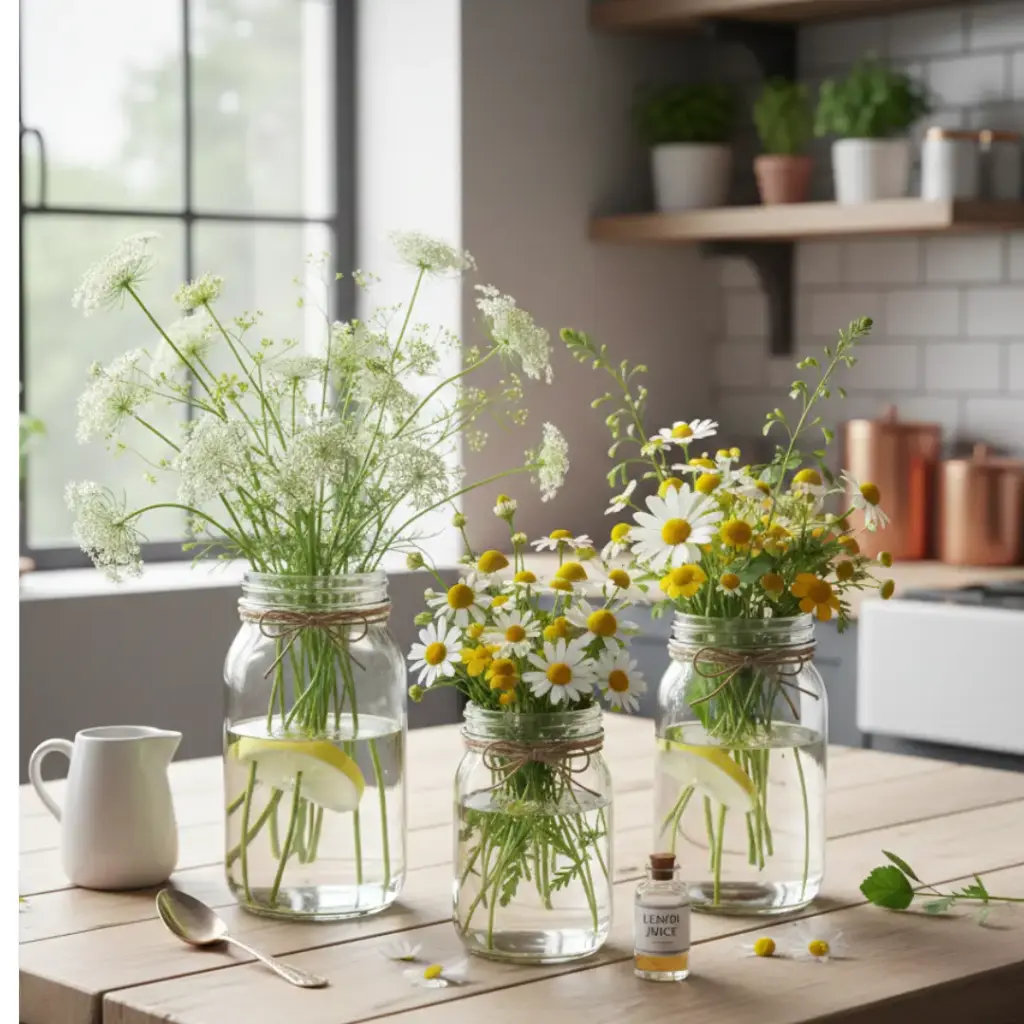
If you want that “just picked from a meadow” look without actually trekking through a buggy field, this is for you. Mason jars provide a classic, farmhouse aesthetic that feels incredibly cozy.
Pair them with Queen Anne’s Lace or Chamomile for a delicate, airy feel.
- Tie a piece of twine around the rim for an extra rustic touch.
- Mix different heights of flowers to create a natural, unstudied silhouette.
- Add a splash of lemon juice to the water to keep things fresh.
3. The Teacup Peony Pop
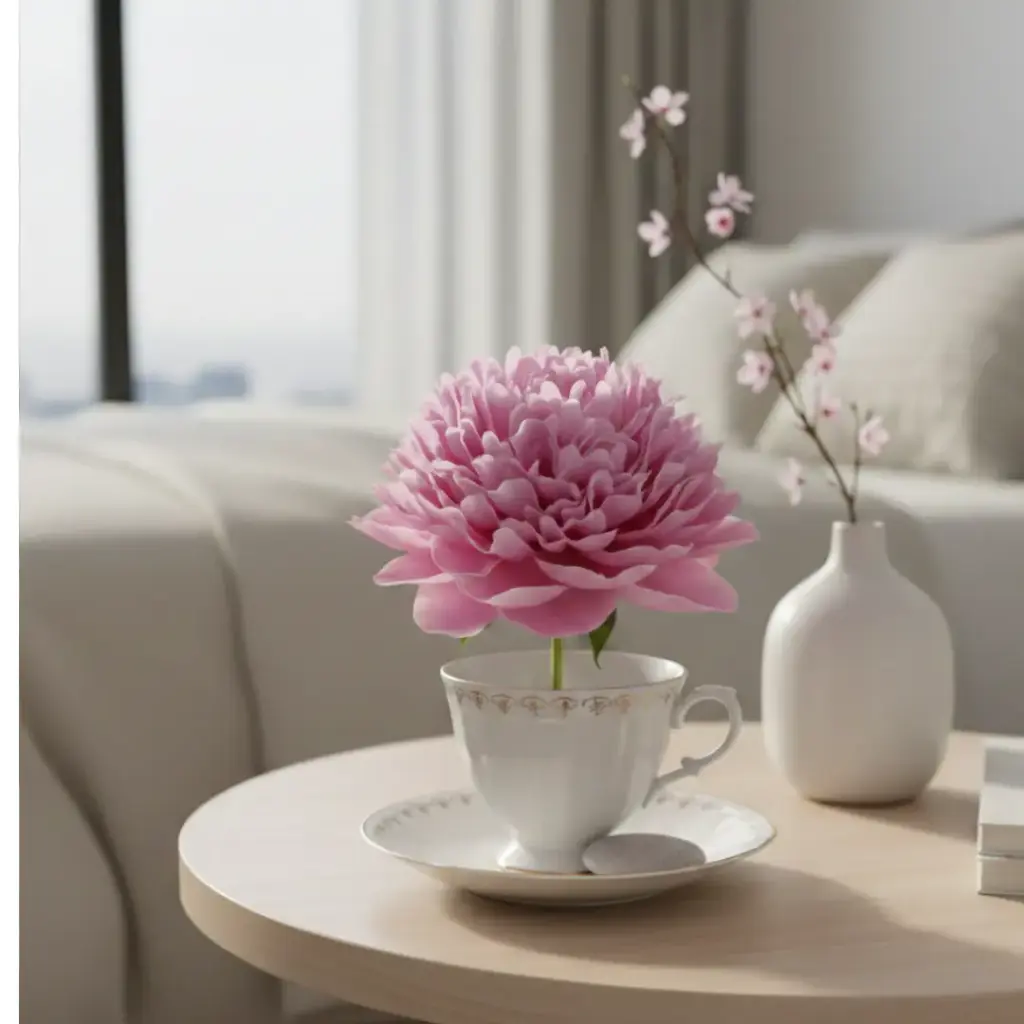
Got a stray teacup hiding in the back of your cabinet? Give it a job. A single, massive peony head tucked into a vintage cup is the ultimate bedside table accessory.
It’s low-effort but looks like you spent hours on a curated vignette.
- Cut the stem short so the bloom sits right on the rim.
- Choose a fragrant variety to act as a natural room deodorizer.
- Secure with a small pebble at the bottom if the bloom is top-heavy.
4. Bold Daffodils in Citrus Vases
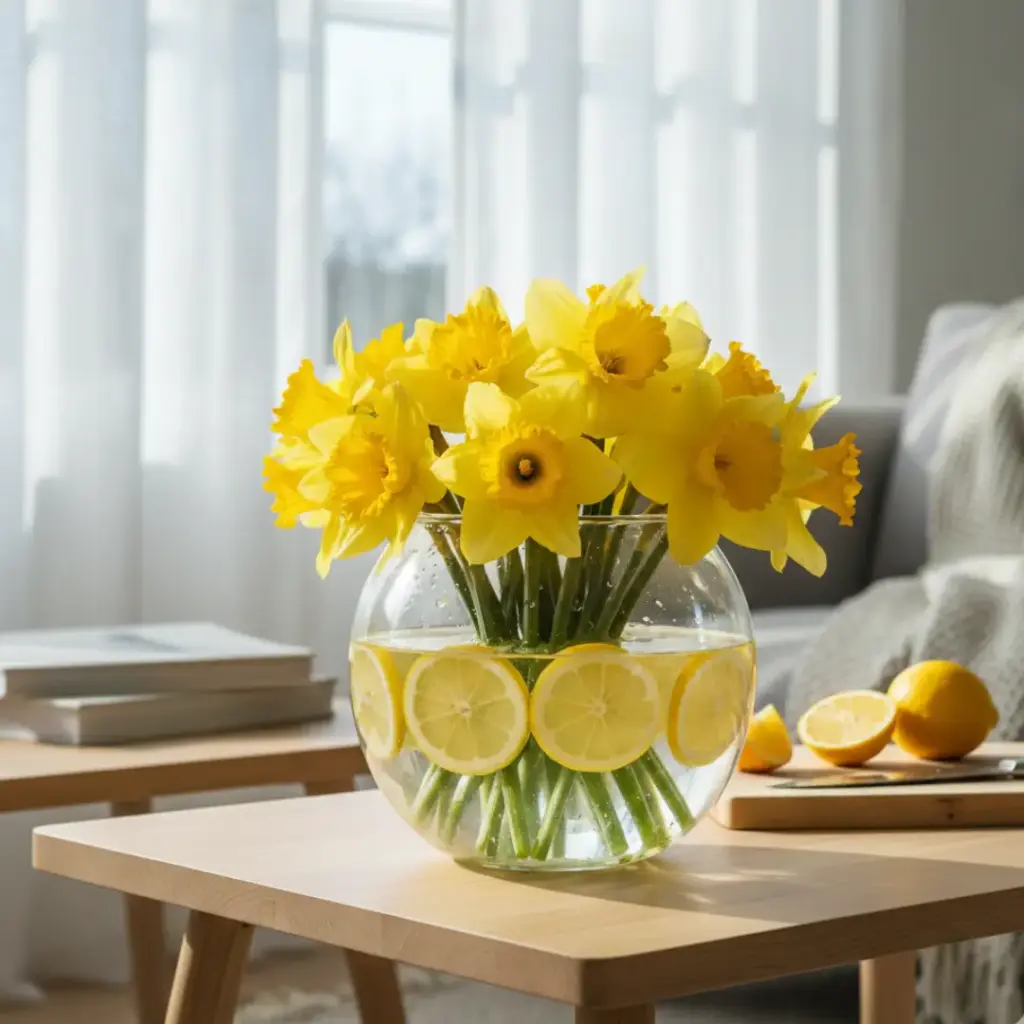
Daffodils are basically sunshine in plant form, but their sap can be literal poison to other flowers. FYI, keep them in their own container for 24 hours before mixing them with friends. For a vibrant pop, slice some lemons and line the inside of a double-walled vase.
- Use two vases—a smaller one inside a larger one—to hold the fruit slices.
- Choose firm, bright lemons for the best visual contrast against the yellow petals.
- Replace the water daily because citrus can turn the water cloudy fast.
5. Elevated Hyacinth Scentscapes
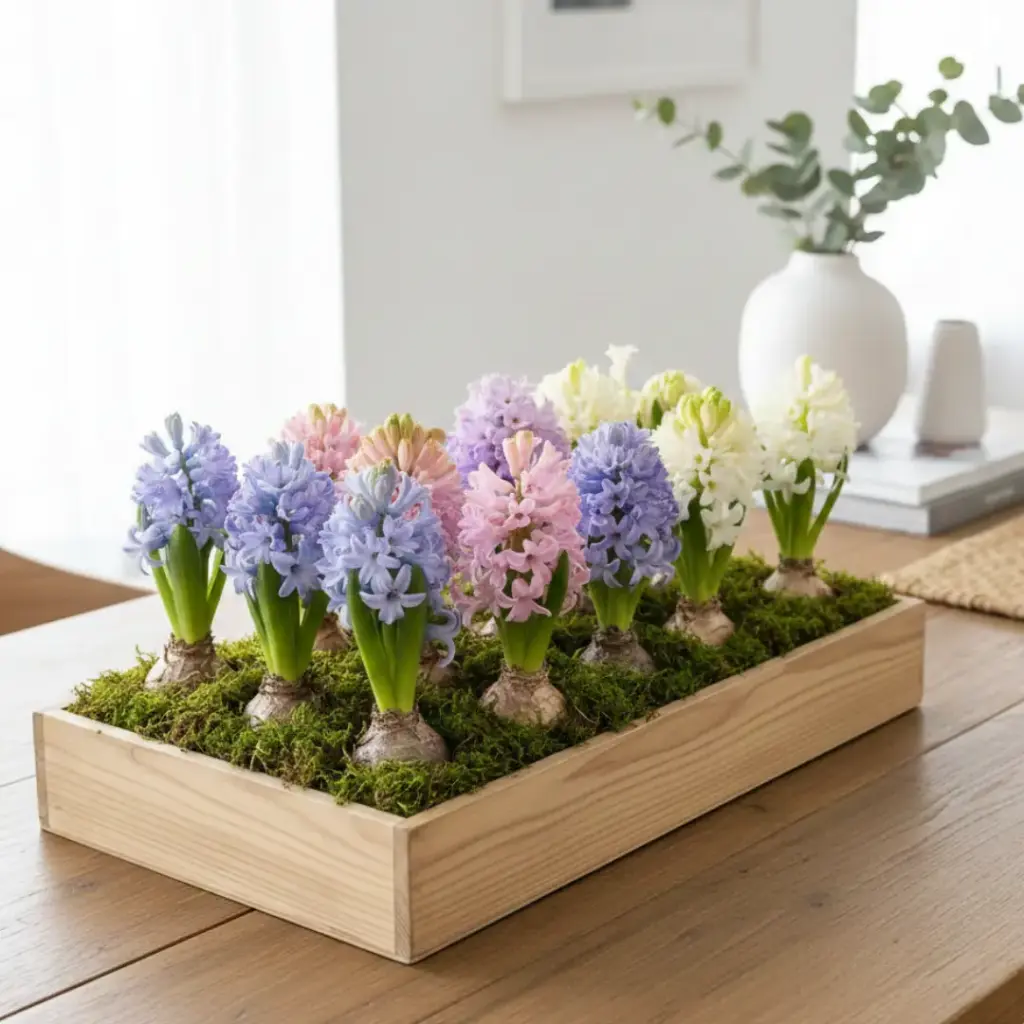
Hyacinths smell incredible, but their stalks are thick and a bit clunky. I love using low, rectangular wooden boxes to line them up like little floral soldiers. It’s a great way to bring fragrance to a long dining table without blocking your guests’ faces.
- Leave the bulbs attached if you want them to last longer.
- Cover the soil with moss for a finished, professional look.
- Group three different colors of hyacinth for a gradient effect.
6. Minimalist Eucalyptus and Lilac
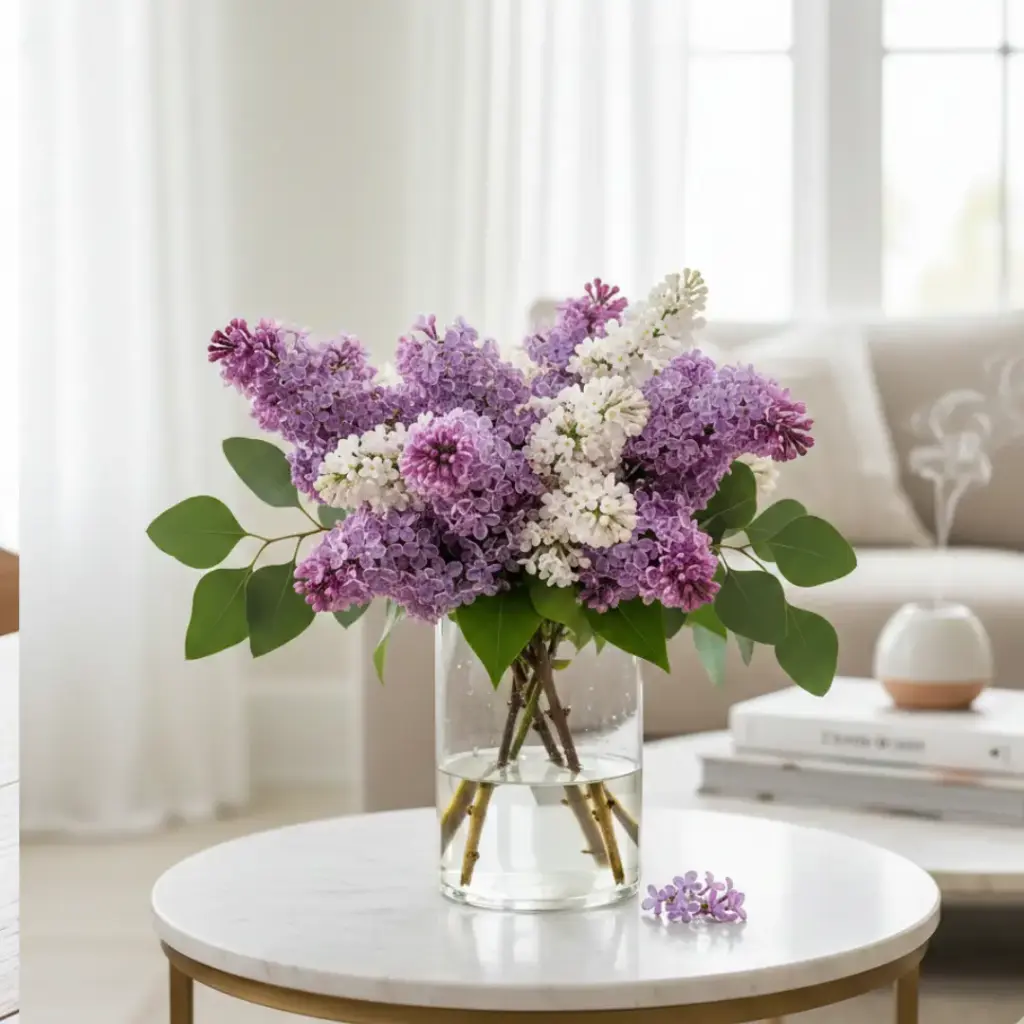
Lilacs represent the peak of spring, but they wilt faster than my motivation on a Monday morning. The trick is to smash the woody ends of the stems with a hammer to help them drink. Pairing them with silver-dollar eucalyptus adds a modern, muted green tone.
- Strip the bottom four inches of leaves to keep the water clear.
- Use lukewarm water initially to encourage the lilac buds to open.
- Mist the petals lightly every morning to mimic spring dew.
7. Floating Hellebore Bowls
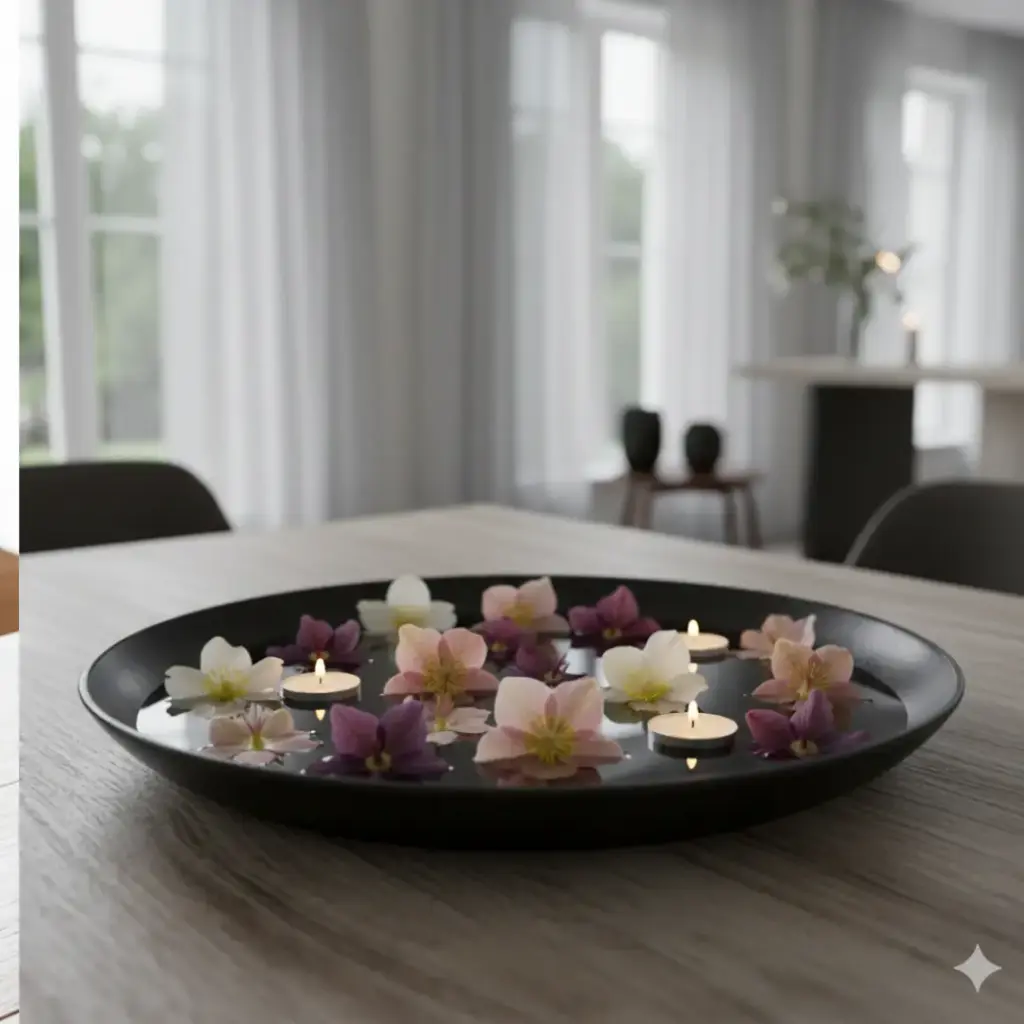
Hellebores are the moody teenagers of the garden—they hang their heads down and look a bit pouty. Instead of fighting their natural shape, float the heads in a shallow decorative bowl. It’s an elegant centerpiece that requires zero floral foam or tape.
- Snip the stems completely off right at the base of the flower.
- Use a dark-colored bowl to make the pale petals really “pop.”
- Add floating tea lights for a magical evening dinner vibe.
8. The Oversized Cherry Blossom Branch
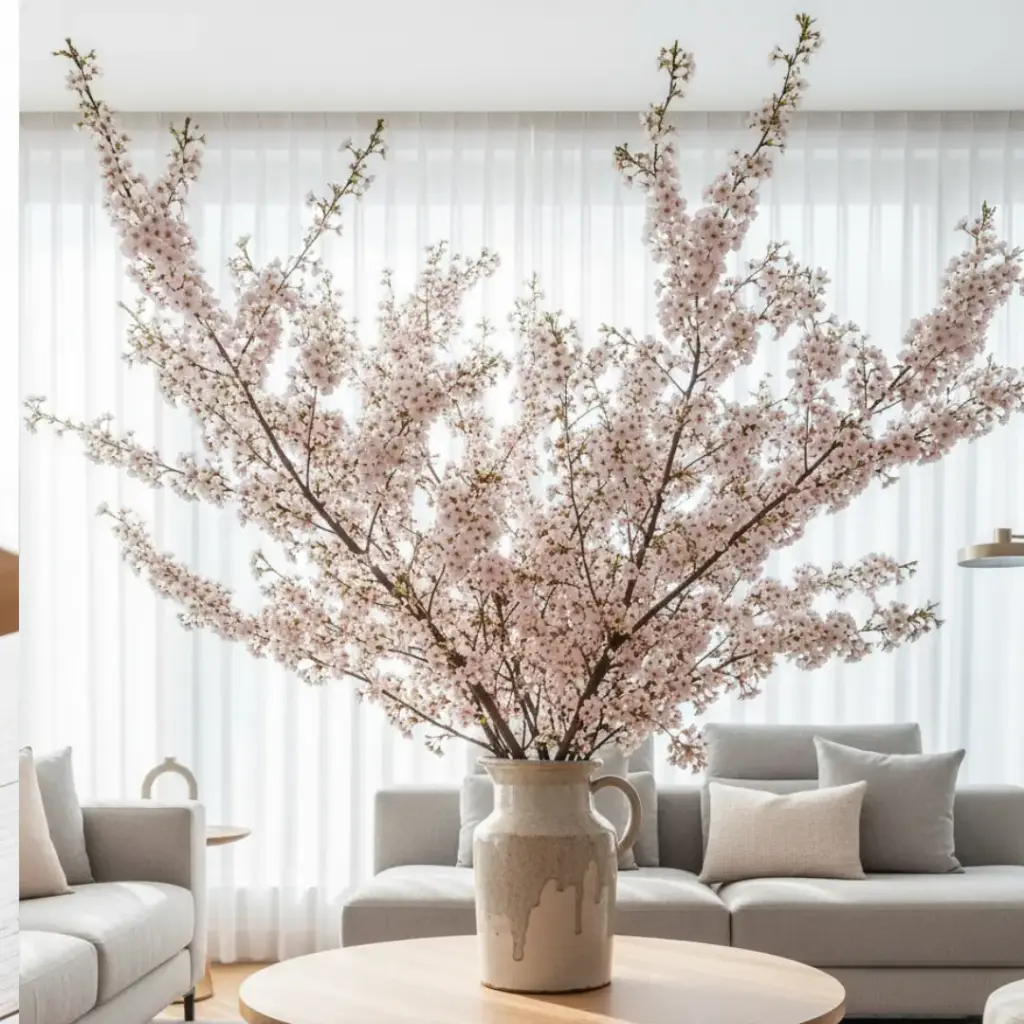
Why settle for a small bouquet when you can have a literal tree in your living room? Flowering branches like cherry blossoms or forsythia create massive scale and drama. Just make sure your vase is heavy enough so it doesn’t tip over and crush your favorite lamp.
- Use a heavy ceramic pitcher to provide a sturdy base for the weight.
- Criss-cross the branches to create a stable “grid” inside the vase.
- Cut a 2-inch slit up the bottom of the branch to improve hydration.
9. Monoblossom Hydrangea Clouds
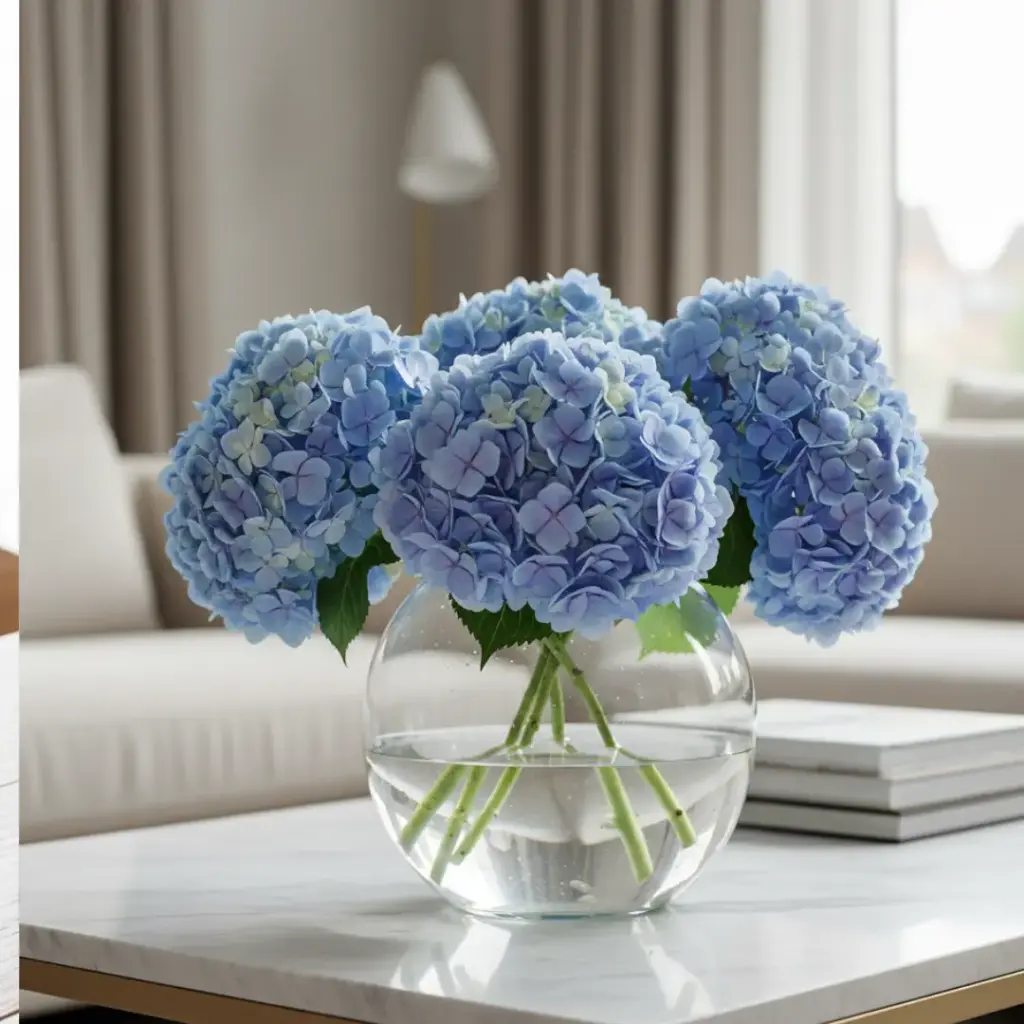
Hydrangeas are the “extra” friends of the floral world—they need a lot of water and attention. However, three large blue hydrangeas in a round fishbowl vase look like a literal cloud. It’s the easiest way to fill a large space with minimal actual “arranging.”
- Dip the cut ends in alum powder to prevent wilting.
- Submerge the entire head in cool water for 30 minutes if they start to droop.
- Keep them away from direct sunlight to avoid scorched petals.
10. Sweet Pea Wire Cage Design
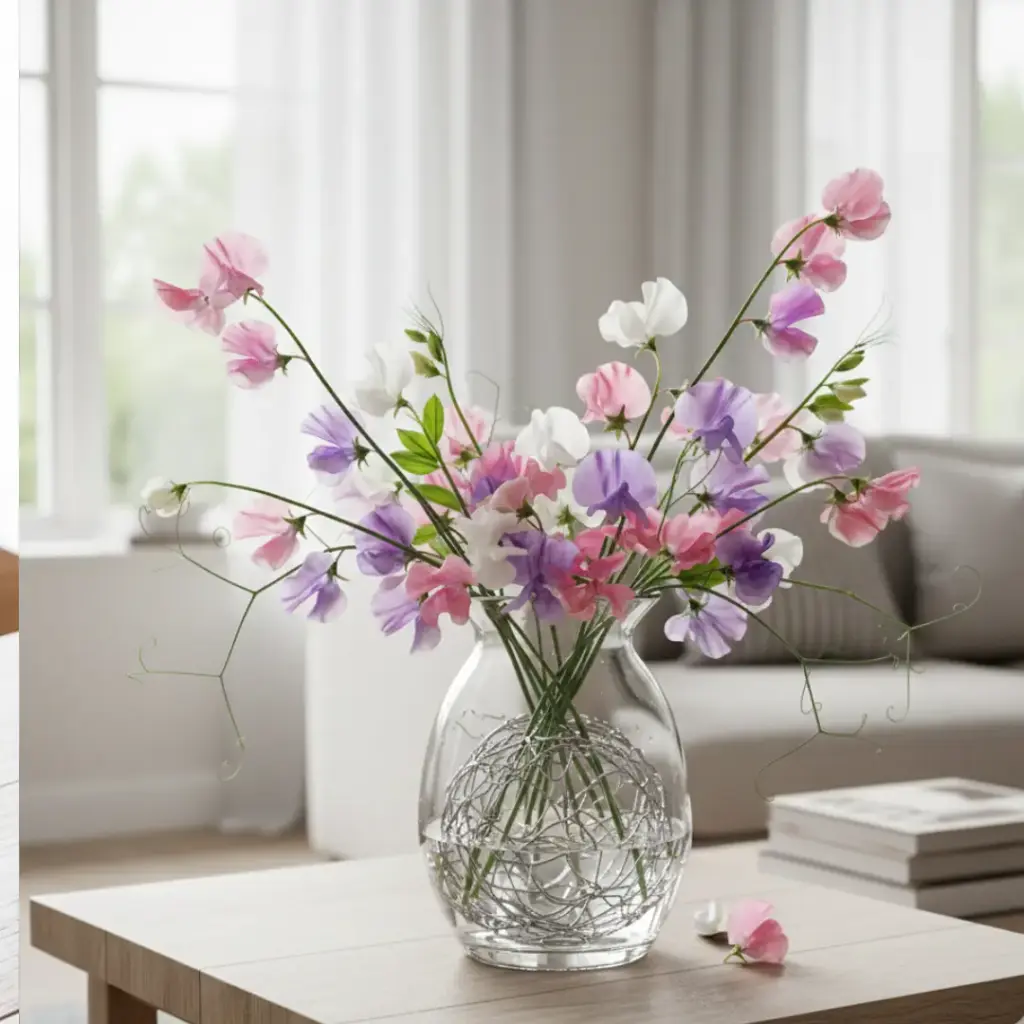
Sweet peas are so delicate that they often collapse under their own weight. I use a chicken wire ball tucked into the mouth of a vase instead of toxic floral foam. This allows the curly tendrils to climb and lean exactly how they want to.
- Mold the wire loosely so you can still fit stems through the gaps.
- Change the water frequently as sweet peas are sensitive to dirty environments.
- Leave the vines long to create a romantic, trailing effect.
11. Potted Primrose Display
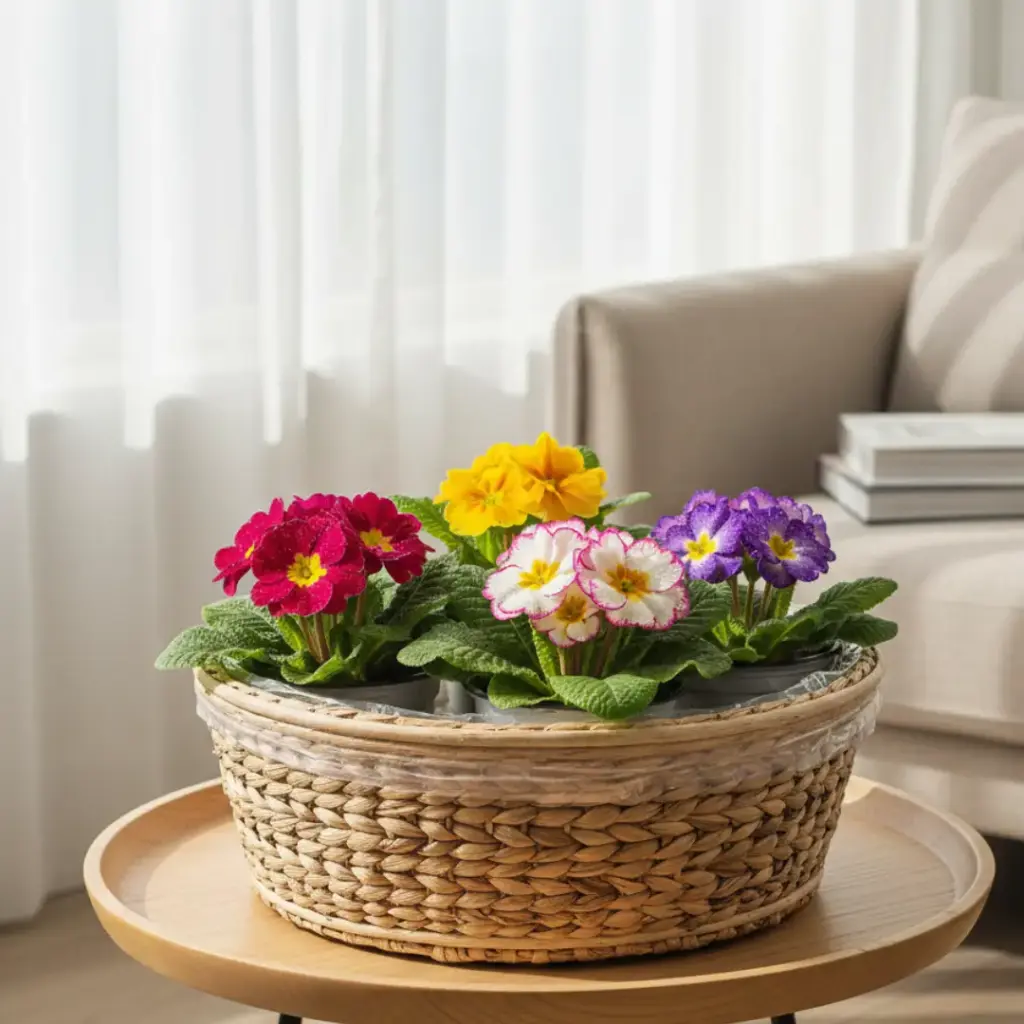
Sometimes the best “arrangement” isn’t cut flowers at all. I enjoy grouping three or five potted primroses inside a large woven basket. It’s an instant indoor garden that lasts much longer than a traditional bouquet, IMO.
- Line the basket with plastic to prevent water damage to your furniture.
- Mix different patterns of primrose for a cottagecore aesthetic.
- Transplant them to your garden once the blooms fade for next year.
12. Elegant Ranunculus Cluster
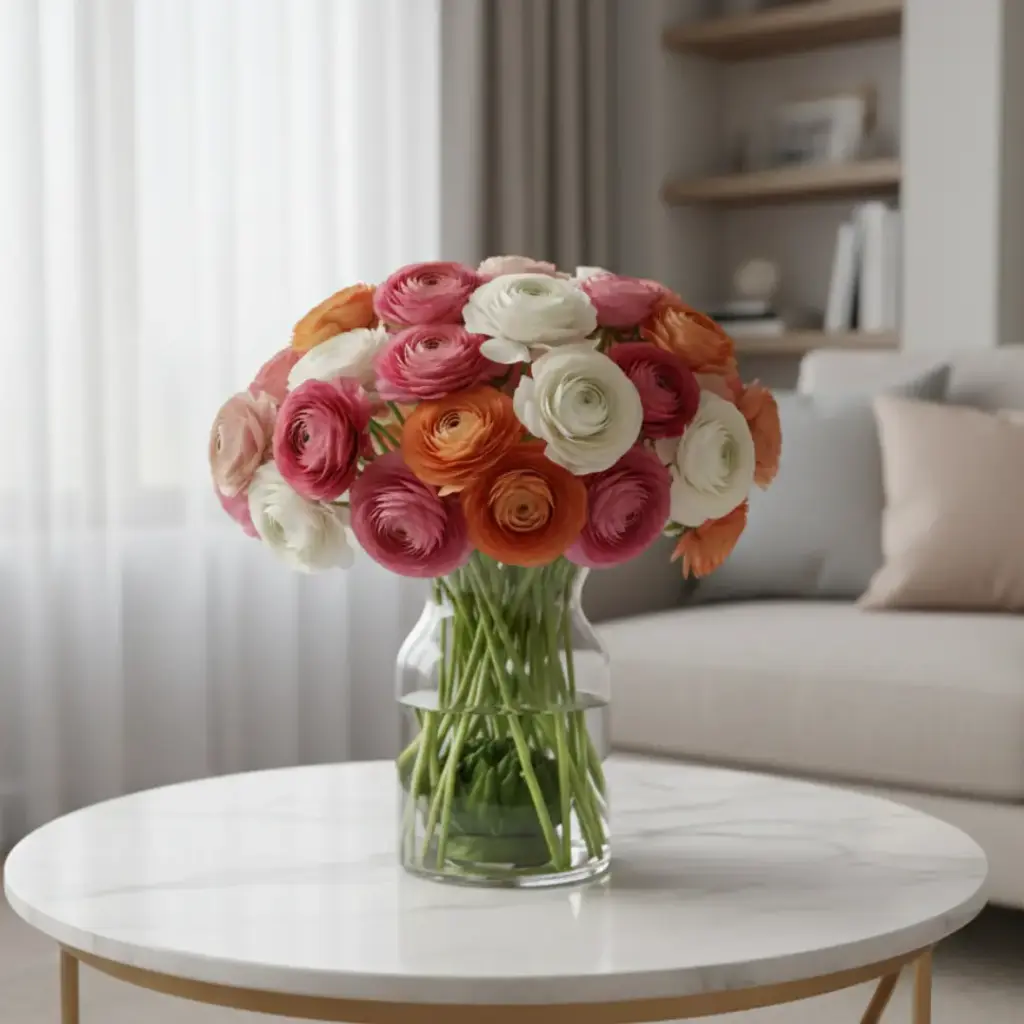
Ranunculus look like they are made of crepe paper and dreams. Because their stems are hollow and fragile, support them with a narrow-necked vase. A tight cluster of these in various shades of orange and pink is a total showstopper.
- Use a “frog” or pin holder at the bottom to keep stems upright.
- Cut the stems at different lengths to create a mounded shape.
- Handle them gently since the petals bruise if you look at them too hard.
13. Cabbage and Rose Centerpiece
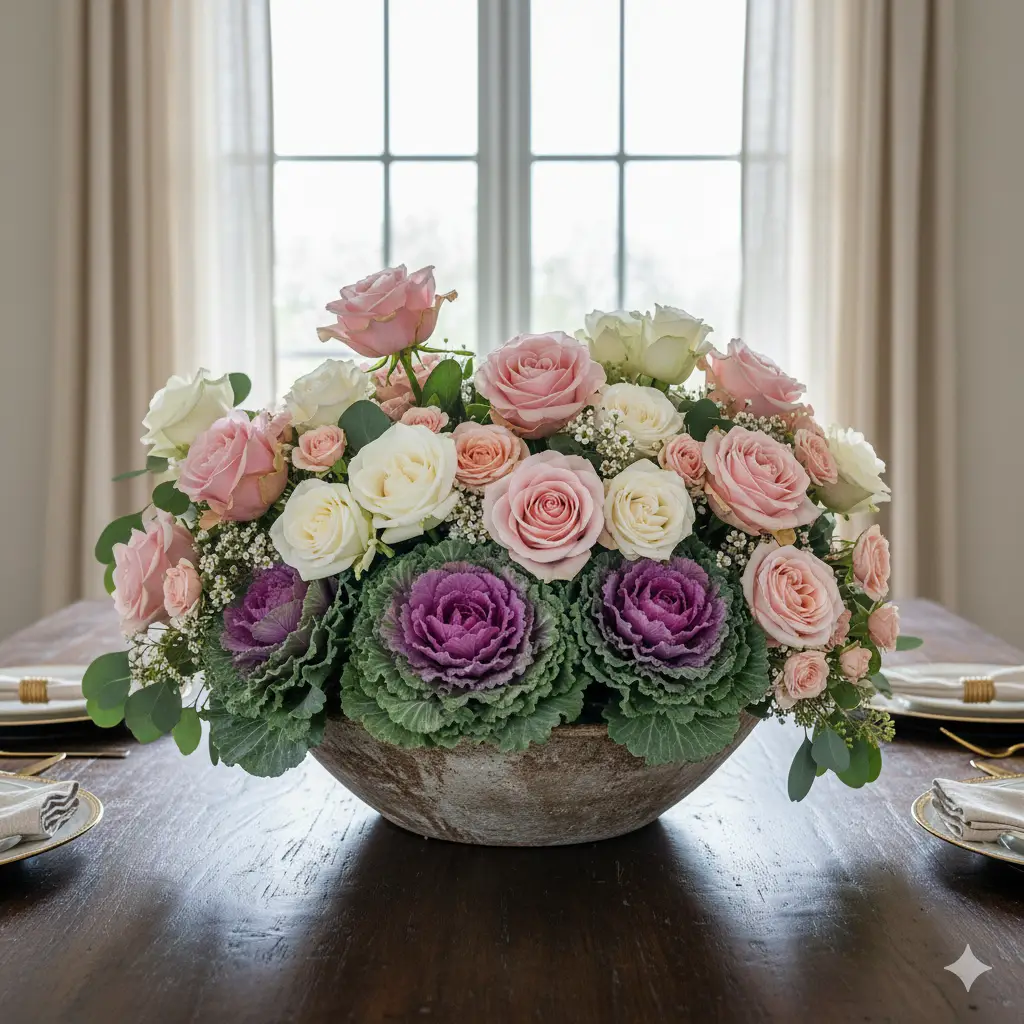
Wait, cabbage? Yes, ornamental kale and cabbage are the secret weapons of professional florists. They provide incredible texture and volume for very little money. Mix them with classic roses for a high-low look that feels very “European estate.”
- Position the cabbage low in the arrangement to act as a base.
- Tuck roses into the gaps between the cabbage leaves.
- Choose roses with a high petal count to match the cabbage’s density.
14. Anemone Black-and-White Chic
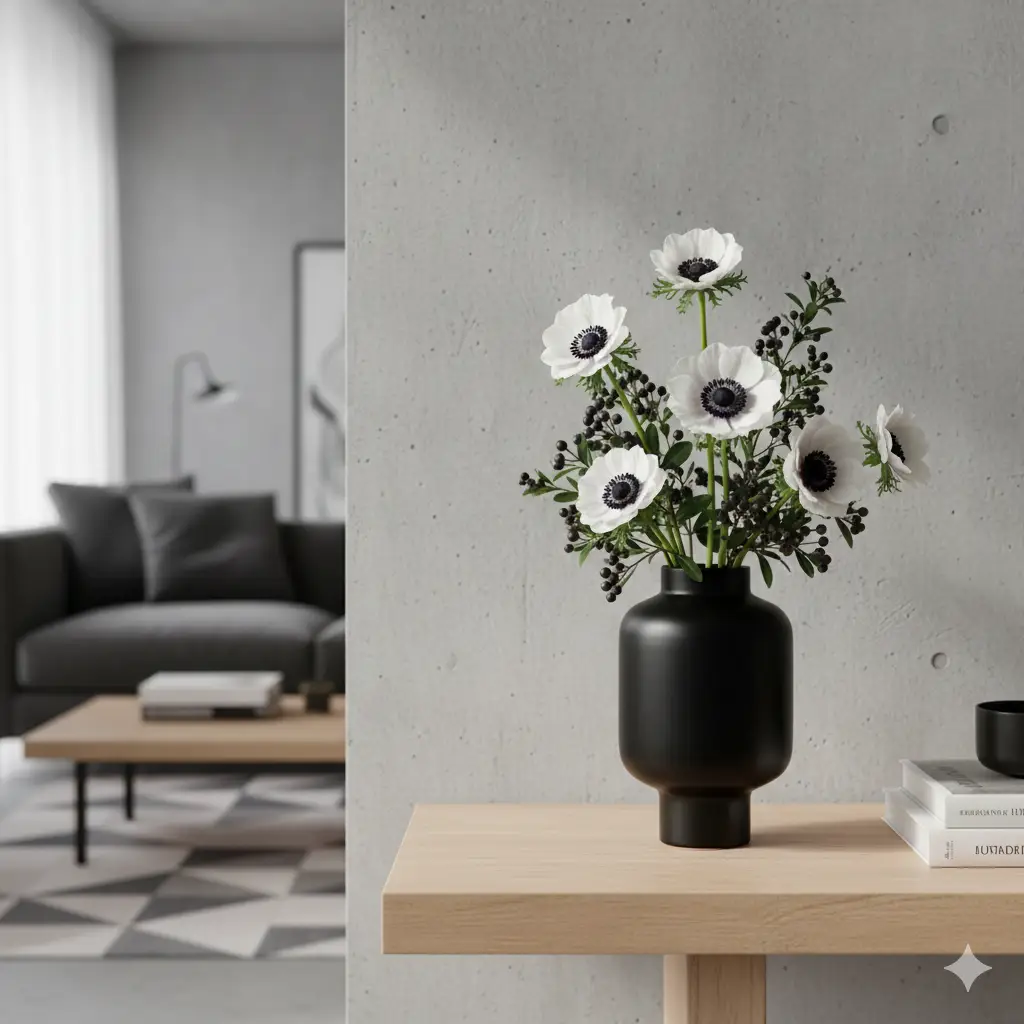
Anemones are the “cool girls” of spring flowers. Their dark centers against white or purple petals provide a graphic, high-contrast look. Keep the arrangement simple and let those “eyes” do all the talking.
- Pair with dark berries or privet for a moody, sophisticated edge.
- Watch them move—like tulips, they will bend toward the light.
- Use a matte black vase for a ultra-modern 2026 interior vibe.
Why DIY Beats Buying Pre-Made
Ever wondered why your home-made jars look better than the pro stuff? It’s because you have the creative freedom to ignore the “rules” and use what you actually like. Plus, you save a fortune on delivery fees and markup. Who knew being a florist was just glorified yard work with better aesthetics?
- Customization: You pick the colors that actually match your rug.
- Freshness: You know exactly when those stems were cut.
- Therapy: Punching floral foam is surprisingly great for stress relief.
Wrapping Up Your Spring Floral Journey
There you have it—14 ways to make your home smell like a botanical garden without the $200 price tag. Spring is the perfect time to experiment with textures, heights, and those weird branches in your backyard. Which of these 14 spring flower arrangement DIY ideas are you going to tackle first? Don’t be afraid to get your hands a little dirty; the results are always worth the mess.
Would you like me to help you create a shopping list for the tools and supplies you’ll need for these arrangements?