INTRODUCTION: If you’re craving a restaurant-quality meal without the hours of preparation, mastering cabbage pork dumplings is the answer. These crispy, juicy parcels come together in just 30 minutes, making them a perfect weeknight win. By using a few clever shortcuts and high-heat cooking techniques, you can achieve that sought-after golden crust and succulent filling without needing professional kitchen training. Let’s dive into how you can bring this comforting, savory classic to your own dining table tonight.
The Secret to Perfect Cabbage Pork Dumplings
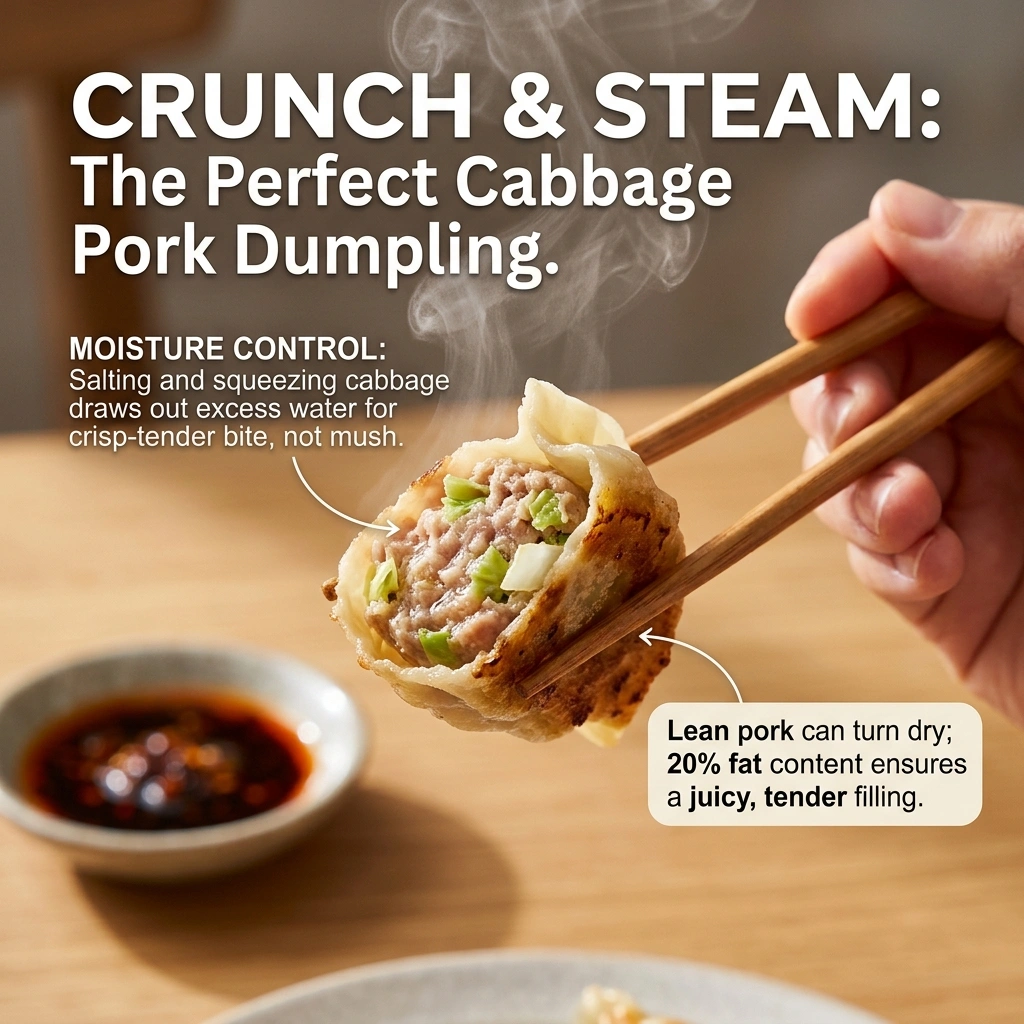
There is a specific joy in biting into a dumpling that offers both crunch and steam. To achieve this balance, your filling must be seasoned correctly and your wrapping technique needs to be efficient.
The primary goal when making cabbage pork dumplings is moisture control; if the cabbage is too wet, the wrapper becomes soggy before it hits the pan. You want a tight seal that keeps the juices inside the meat rather than leaking into the cooking oil.
Focusing on the quality of your ingredients makes a significant difference.
Lean pork can turn dry, so choosing a ground meat with about twenty percent fat content ensures the filling stays tender. When preparing the cabbage, a quick sprinkle of salt draws out excess water, which you should squeeze out thoroughly before mixing it with the pork.
This small step transforms the texture from mushy to crisp-tender, providing that necessary bite against the richness of the meat.
How to Wrap Dumplings Like a Pro
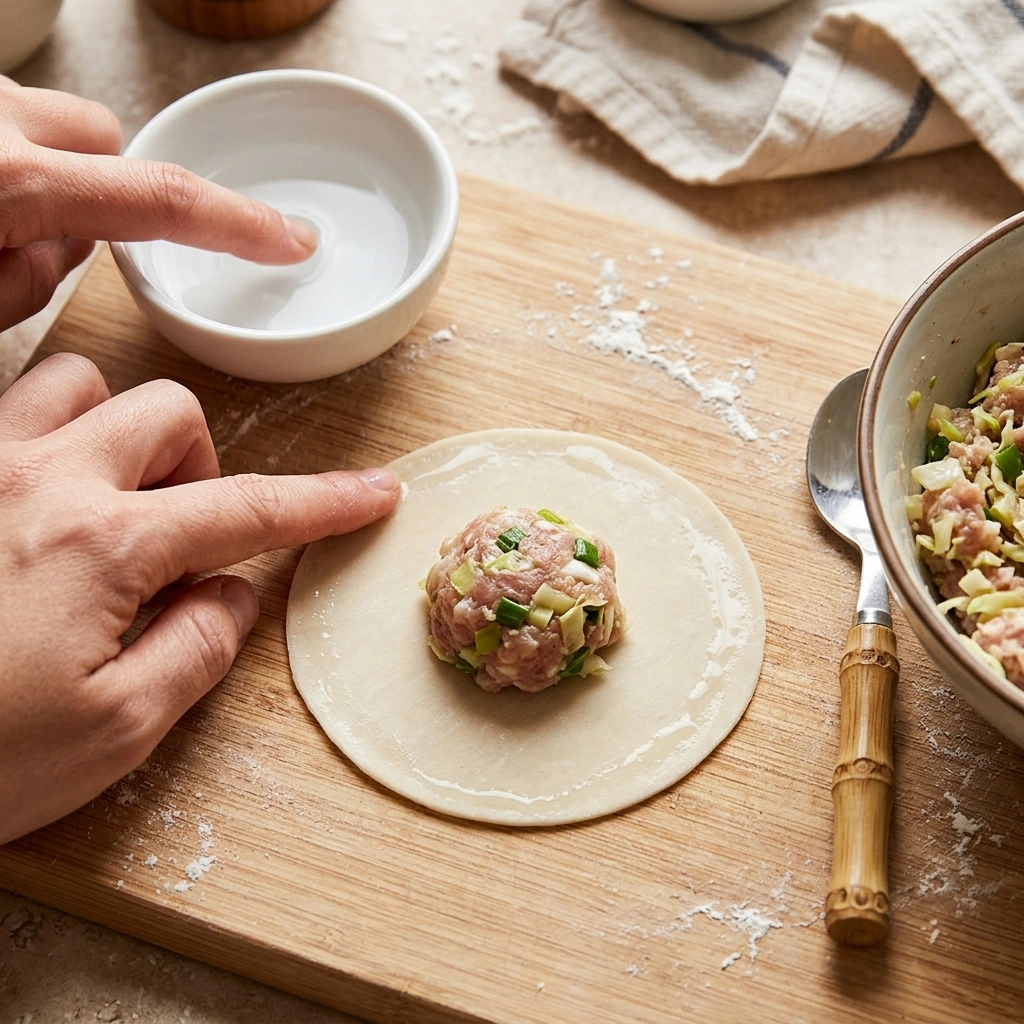
Mastering the fold is often the most intimidating part of the process for beginners. You don’t need a complex, fifteen-pleat design to create a functional and beautiful dumpling.
A simple “c-fold” or a basic half-moon press works perfectly fine for weeknight dinners. The key lies in the moisture at the edge of the wrapper, which acts as the glue that holds everything together during the high-heat cooking phase.
Start by placing a small, rounded teaspoon of filling in the center of the wrapper. Dip your finger in a small bowl of water and run it along the outer rim of the dough.
Fold the wrapper over the filling and press the edges firmly to ensure there are no air pockets, which can cause them to burst. If you are looking for more guidance on the process, learning how to make homemade dumplings can save you a trip to the store and offer better flavor control.
Achieving the Signature Golden Crisp
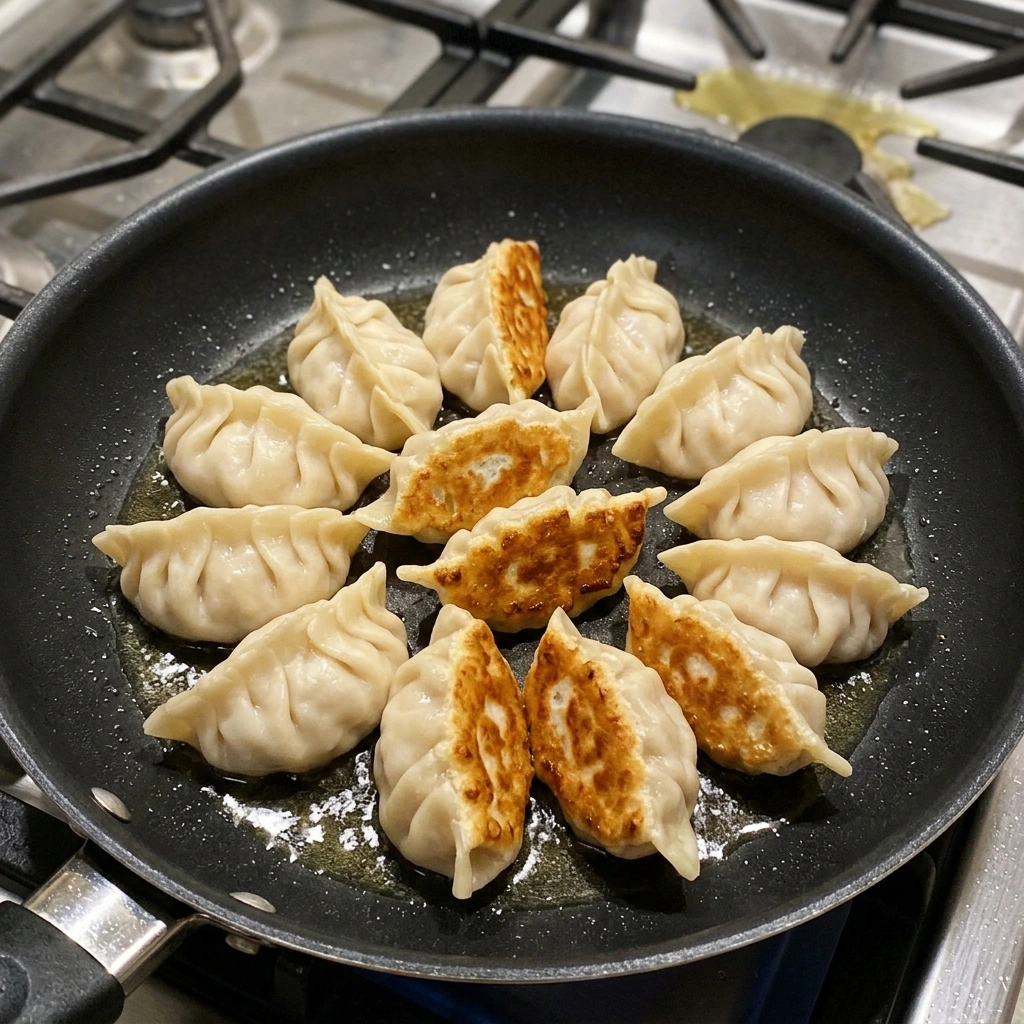
Cooking these dumplings is a two-stage process that prioritizes both texture and thorough cooking. Start with a non-stick skillet over medium-high heat and a tablespoon of neutral oil.
Arrange the dumplings in a circular pattern, letting the bottoms fry until they reach a deep, golden-brown color. Resist the temptation to move them too early; a proper crust needs undisturbed time in the hot oil to set.
Once the bottoms are crisp, you need to steam the tops to ensure the pork is cooked through. Add about a quarter cup of water to the pan and immediately cover it with a tight-fitting lid.
The trapped steam will cook the pleats and the filling while the residual oil continues to fry the bottoms. This dual-action method is why they turn out so consistently delicious, bridging the gap between a fried appetizer and a steamed main course.
Essential Dipping Sauce Variations
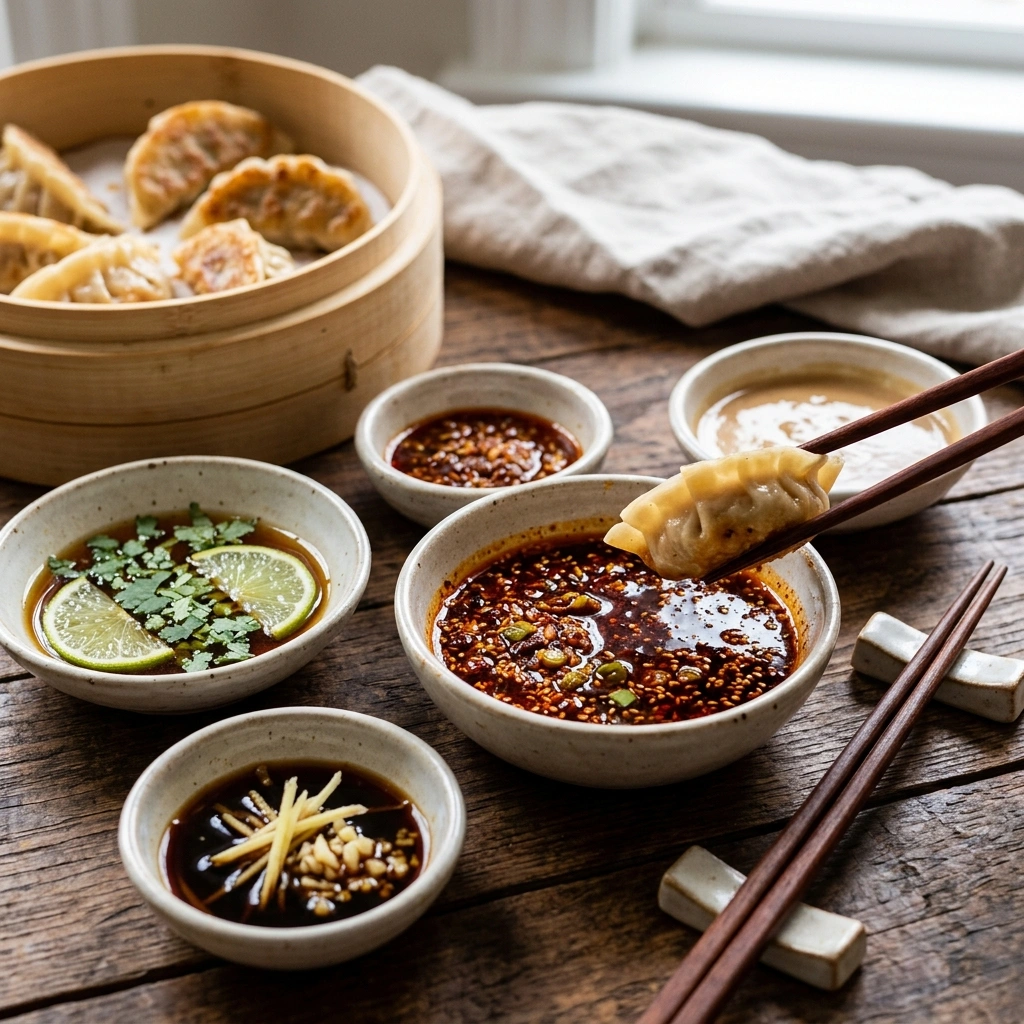
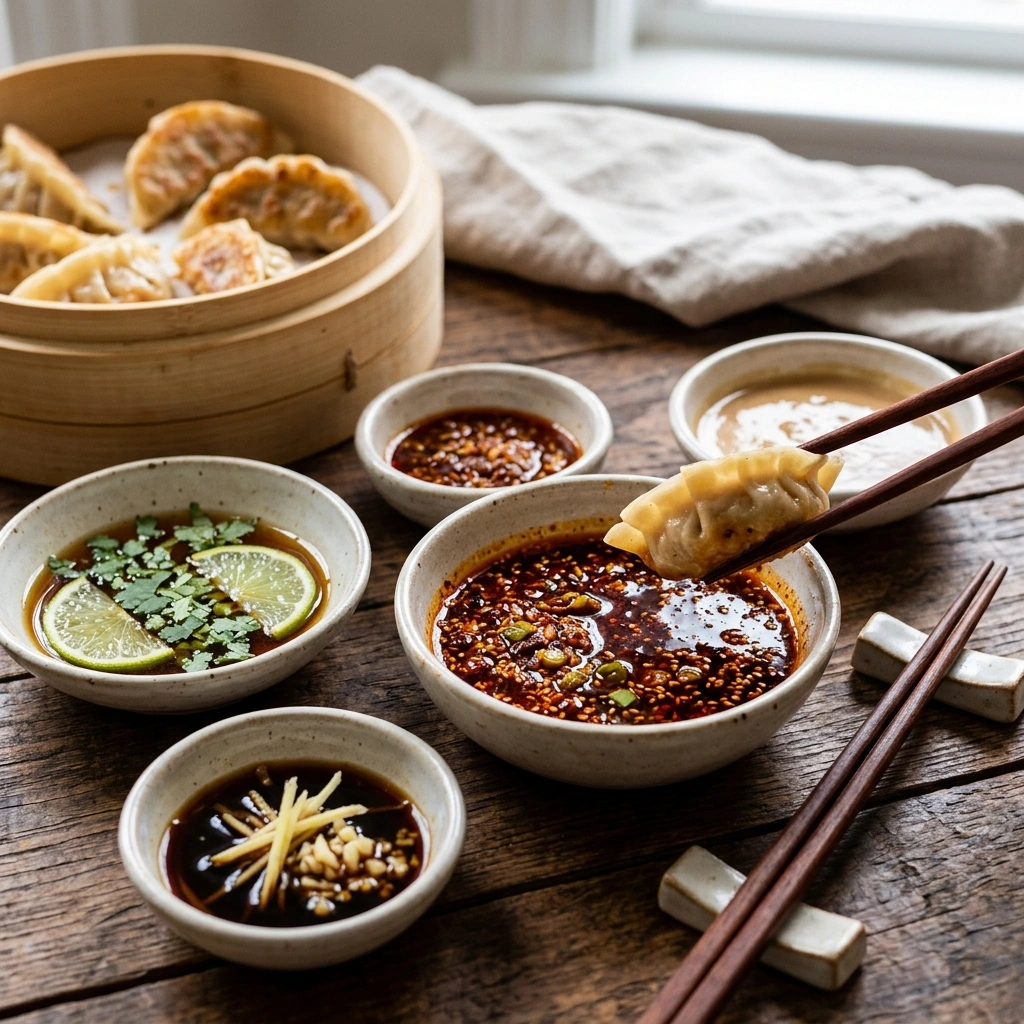
A great dumpling is only as good as the sauce accompanying it. While a simple soy and vinegar mix is the standard, layering flavors can elevate the entire meal. A balanced sauce should hit salty, acidic, and slightly spicy notes to cut through the richness of the pork. Say you have some chili oil on hand; a teaspoon of that adds a wonderful, smoky heat that pairs beautifully with the sweet cabbage.
Consider these quick additions to your base dipping sauce:
- Minced fresh garlic or ginger adds a sharp, aromatic punch to every bite.
- Toasted sesame oil provides a deep, nutty aroma that rounds out the soy base.
- A drop of honey or sugar helps balance the sharpness of dark rice vinegar.
- Fresh scallions or cilantro brighten the dish with a pop of herbal freshness.
Experimenting with these ratios allows you to customize your experience based on what is in your pantry. If you prefer something lighter, swap the soy sauce for ponzu, which adds a citrusy dimension. For those who enjoy a comparison, trying these different sauces side-by-side reveals how much the condiment influences the perception of the filling itself. Never underestimate the power of a well-mixed sauce to turn a simple recipe into a gourmet experience.
Optimizing for Time and Efficiency
Since your goal is a thirty-minute meal, preparation is your best friend. Keeping a stash of frozen, store-bought wrappers in your freezer means you can start at a moment’s notice. While making dough from scratch is rewarding, it is rarely a thirty-minute endeavor. By using high-quality commercial wrappers, you reclaim the time needed to focus on seasoning the filling and perfecting the pan-fry.
If you find yourself with extra filling, don’t worry about waste. You can sauté it like a loose sausage and serve it over steamed rice for a quick lunch the next day. Alternatively, freeze the shaped, uncooked dumplings on a parchment-lined tray before transferring them to a bag. This makes your future “dumpling night” even faster, as you can go straight from the freezer to the hot pan without needing to thaw them first.
Troubleshooting Common Dumpling Issues
Even with the best intentions, things can sometimes go slightly off-plan. If your dumplings stick to the pan, the heat might be too high or the pan seasoning might be failing. Ensure your skillet is truly non-stick and always add the oil before placing the dumplings down. If they break open during the steam phase, you likely used too much filling or didn’t seal the edges well enough with water.
Don’t let these minor hurdles discourage your progress. Every batch is an opportunity to get a feel for the dough’s elasticity and the filling’s texture. Remember that these are rustic, homemade dishes; a few wonky folds just add to their charm. As you become more comfortable, you will naturally find your rhythm and the process will become second nature, much like any other core cooking skill.
CONCLUSION: Creating cabbage pork dumplings at home is a rewarding way to elevate your weeknight repertoire. By mastering the balance of crispy bottoms and juicy interiors, you turn simple ingredients into a dish that feels like a special occasion. Whether you are experimenting with spicy sauces or perfecting your folding technique, the result is always worth the effort. It is time to clear your counter, heat up that skillet, and enjoy the delicious fruits of your labor.