Living in a small apartment often feels like a constant battle against clutter. When square footage is at a premium, every item you own needs a home, or your living room quickly becomes a staging ground for chaos. The good news? You don’t need a massive walk-in closet to live clutter-free. With a little creativity and strategic thinking, you can maximize every inch of your space. Here are 15 small apartment storage ideas to help you reclaim your home.
1.Think Vertically: Use Your Wall Space
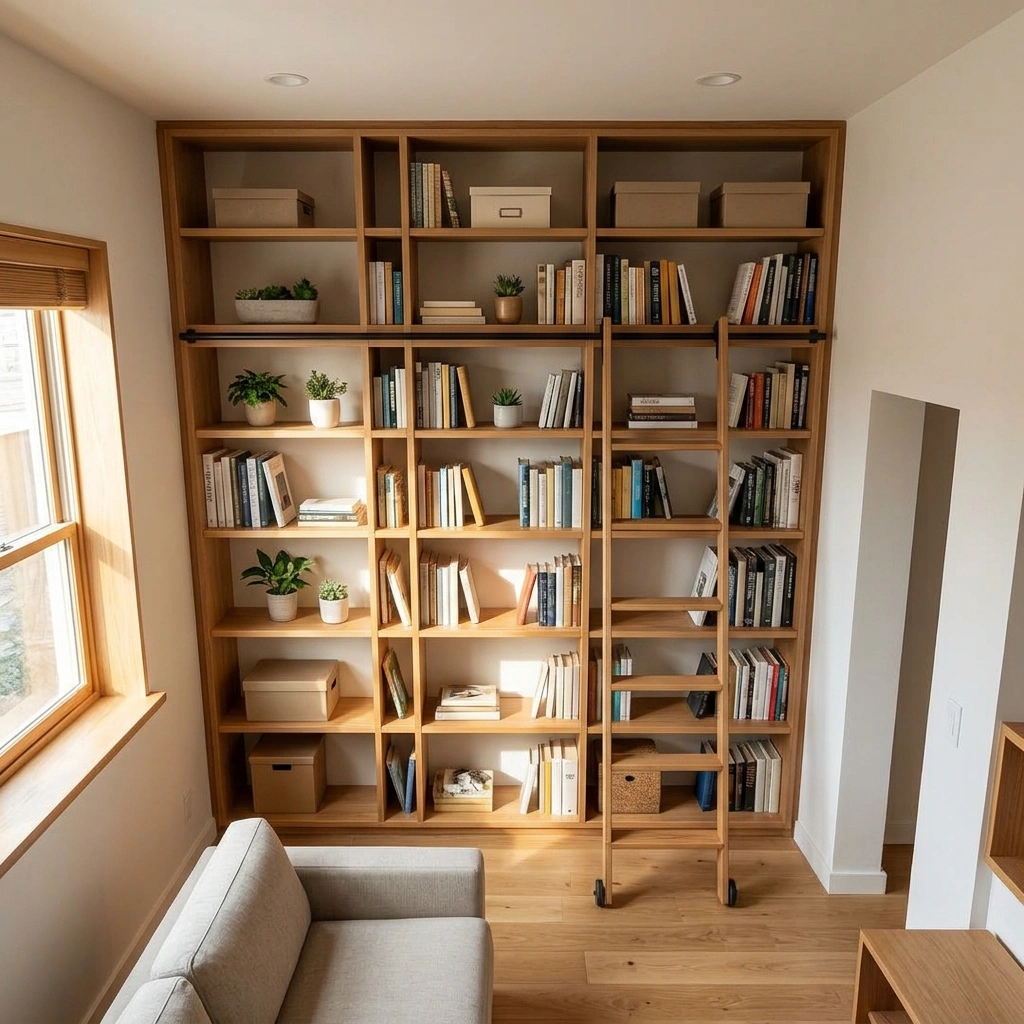
When floor space is limited, the only way is up. Walls are essentially untapped real estate waiting for shelves, hooks, and organizers. Many people ignore the vertical space above eye level, but that’s where the magic happens.
Installing floor-to-ceiling shelving units creates a library-like aesthetic while providing massive storage capacity. If you’re renting, look for tension-rod shelving systems that require no drilling. Use the higher shelves for items you don’t reach for daily, like seasonal decor or extra linens, and keep the lower, accessible shelves for your everyday essentials.
- Floating shelves: Perfect for books, plants, or small bins in hallways.
- Wall-mounted pegboards: Ideal for kitchens or entryways to hang utensils, bags, and keys.
- Over-the-door organizers: Don’t just stop at shoes; use these for cleaning supplies, snacks, or toiletries.
2.The Power of Multifunctional Furniture
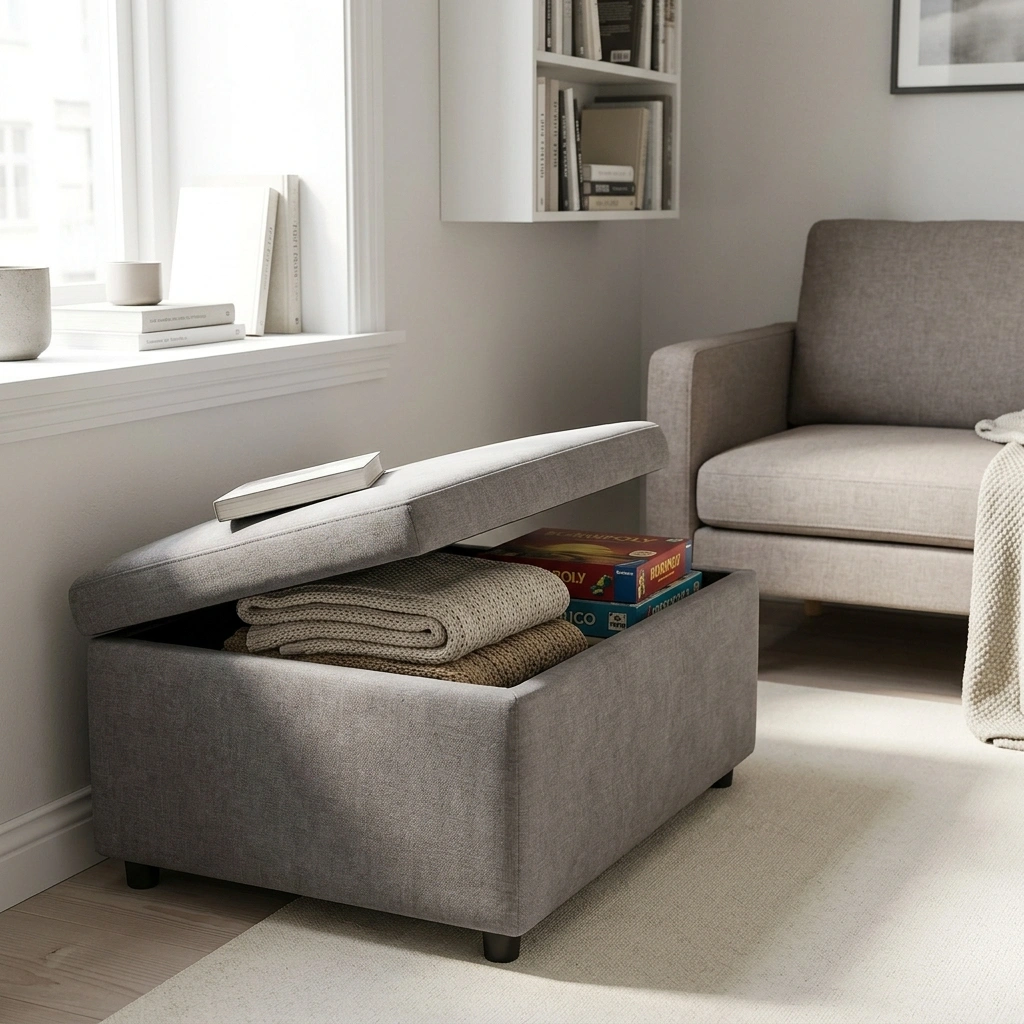
In a tiny apartment, every piece of furniture must work double-duty. If an item doesn’t offer storage, it’s arguably taking up too much room. Look for pieces that hide your belongings in plain sight.
Ottomans with lift-off lids are classic for a reason. They provide extra seating when guests come over, but inside, they can swallow blankets, board games, or bulky winter sweaters. Similarly, look for bed frames with built-in drawers.
If your current bed is a standard frame, don’t worry—you can simply buy shallow, rolling under-bed storage bins to utilize that forgotten cavern beneath your mattress.
3. Maximize Kitchen Cabinet Efficiency
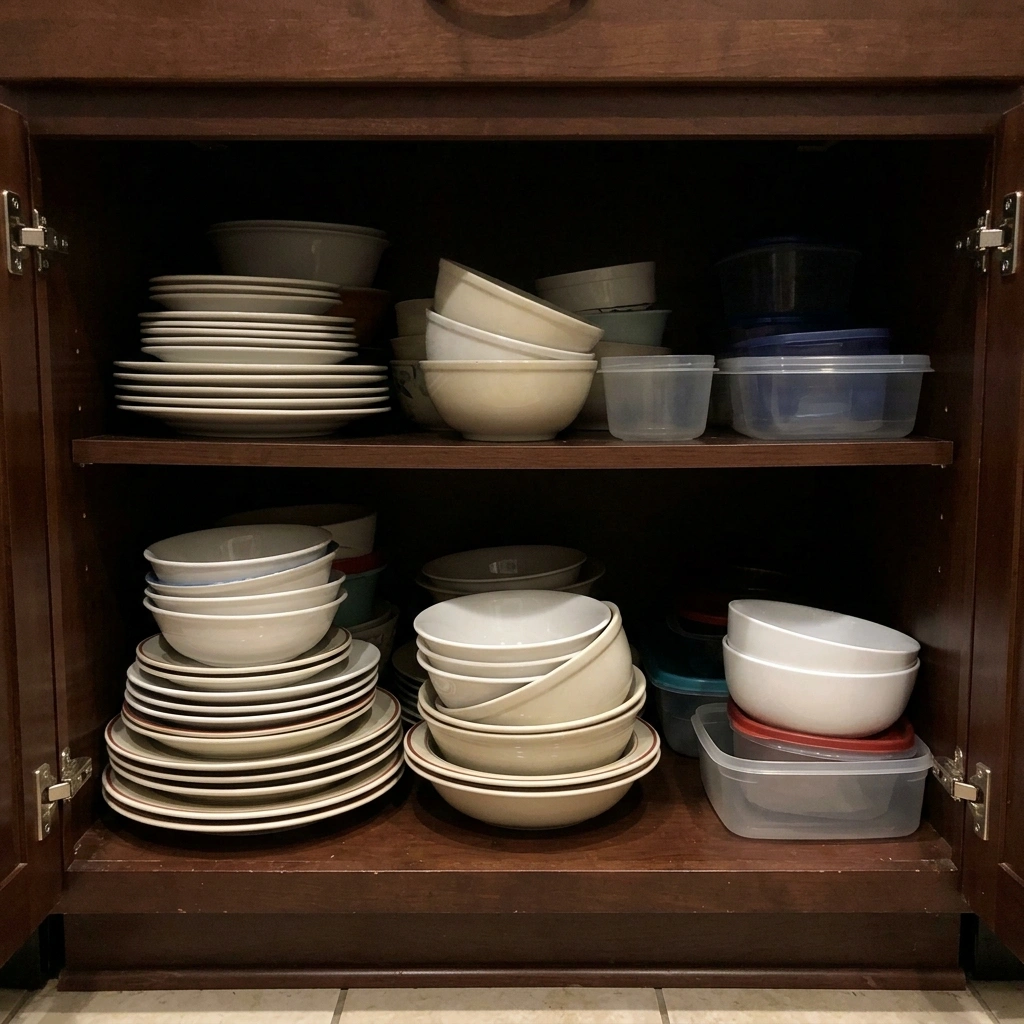
Kitchens are notoriously difficult to organize, especially when you have limited counter space. The trick here is to stop thinking of your cabinets as static boxes and start seeing them as modular units.
Invest in cabinet risers to double your stacking capacity for plates and bowls. If you have deep, cavernous cabinets, pull-out drawers or lazy Susans are essential. They turn those “black holes” in the back of the shelf into accessible storage.
Additionally, utilize the back of your cabinet doors. Small adhesive hooks or over-the-door racks are perfect for storing pot lids, measuring cups, or cutting boards, clearing up precious room on your shelves.
4. Hidden Storage in the Living Area
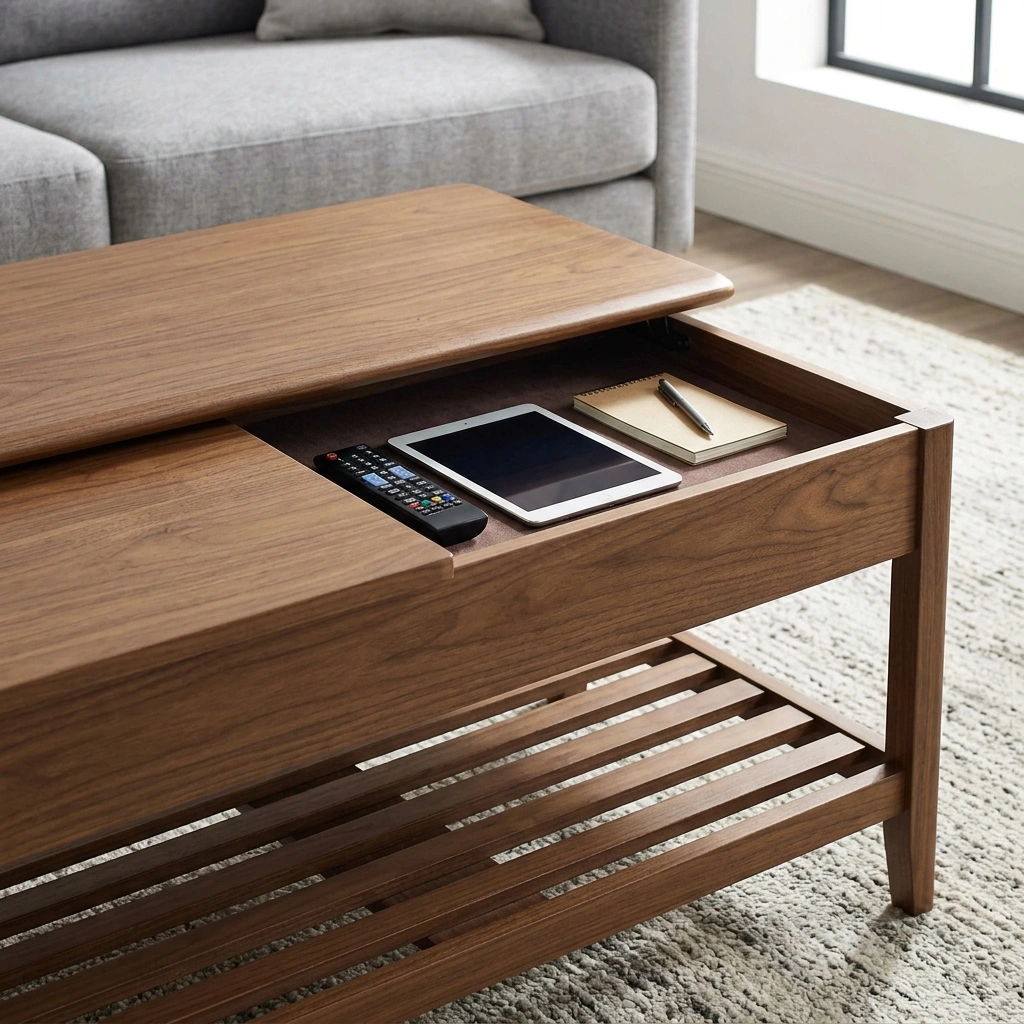
Your living room should be a sanctuary, not a storage unit. However, you can keep items tucked away without sacrificing style. Choose a coffee table with a shelf or hidden drawer rather than a sleek, solid piece.
Don’t overlook the potential of consoles and sideboards. These are deeper than shelves and can hold everything from tech gadgets to extra dining sets.
By using attractive woven baskets on the shelves of these units, you create a cohesive, clean look while concealing smaller, messier items. It’s the ultimate “out of sight, out of mind” strategy.
5. Small Closet Solutions That Scale
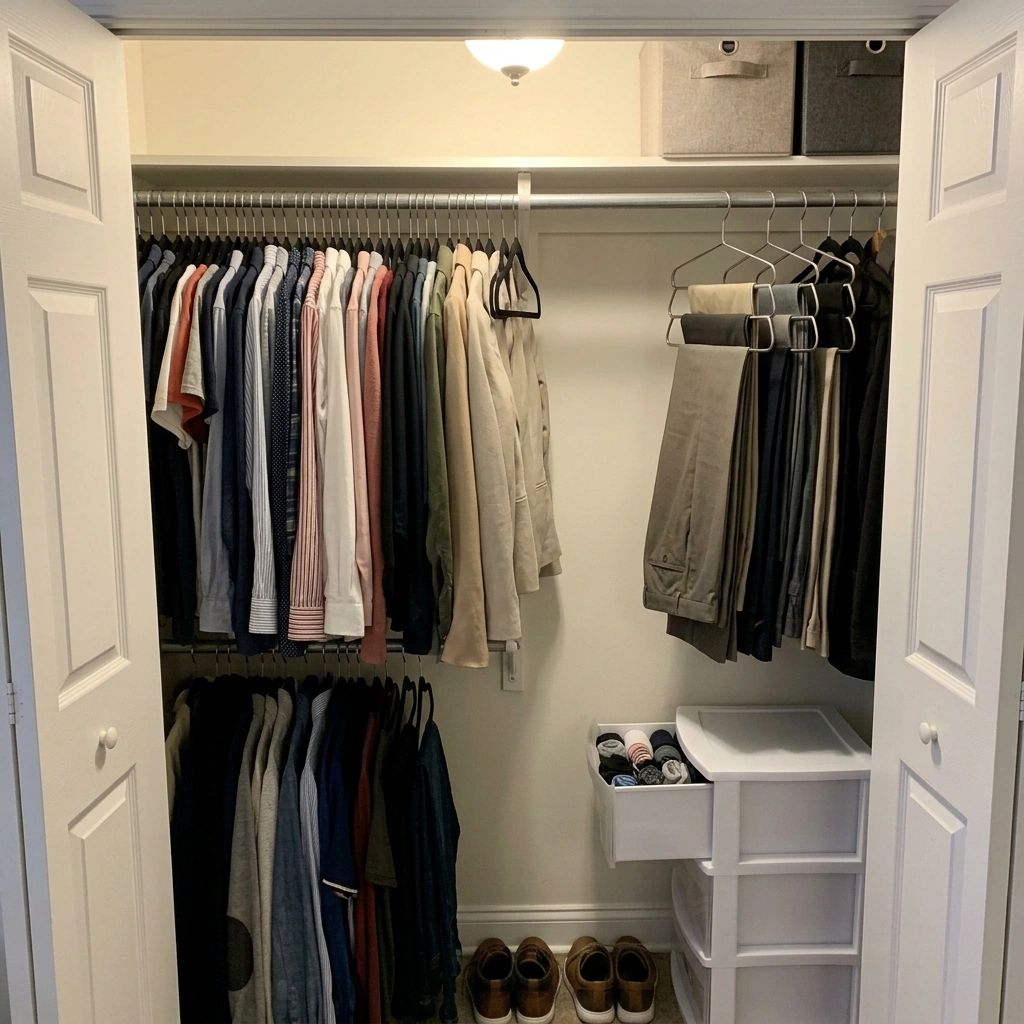
Closets are often the first casualty of apartment living. If you’re struggling to fit your wardrobe, it’s usually because you’re not using the right tools. Standard rod-and-shelf setups are rarely enough.
Start by swapping your bulky hangers for thin, velvet-lined ones. This one change can increase your closet capacity by up to 30%. Next, use tiered pants hangers to stack multiple pairs in the space of one.
For your floor, a small stacking drawer unit can turn a dead corner into a dedicated space for socks, accessories, or undergarments.
6. The Entryway Edit
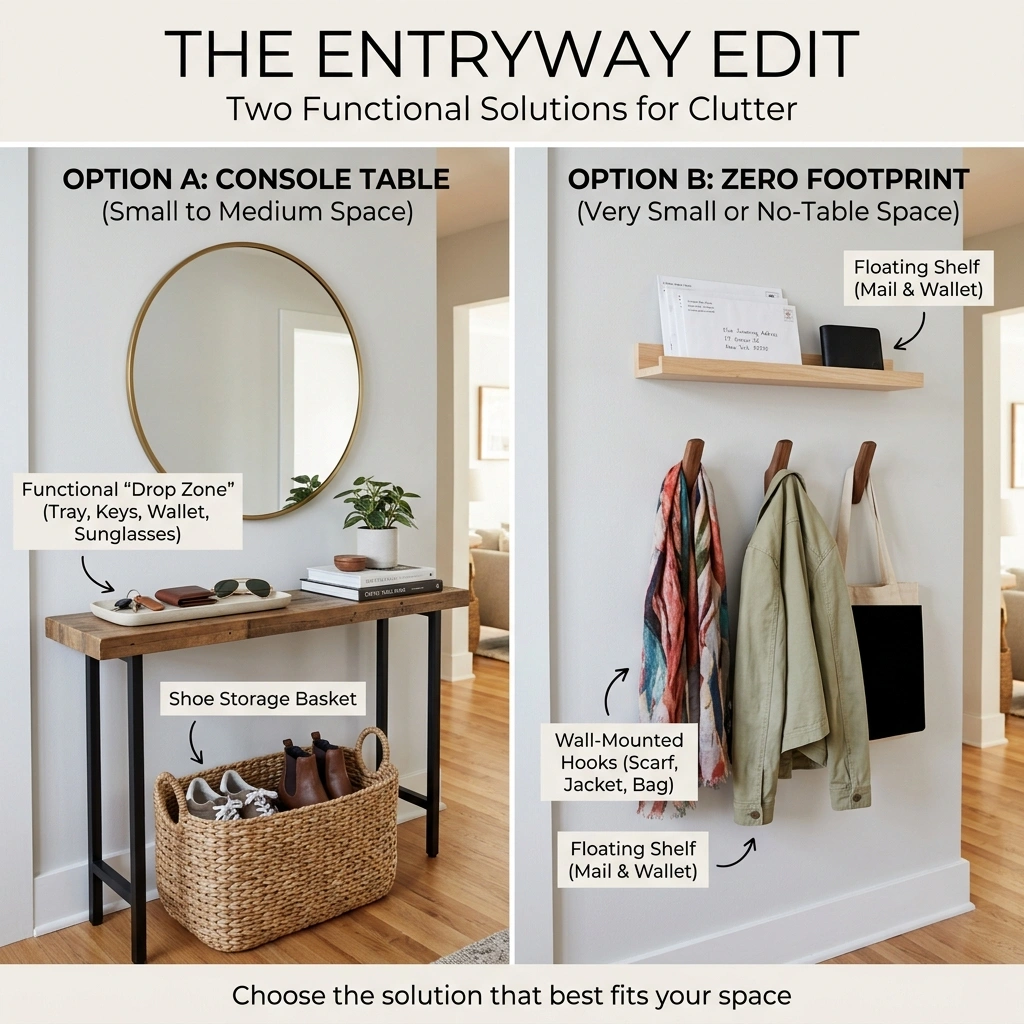
The entryway is the primary landing zone for clutter. If you don’t have a dedicated closet by the front door, you have to create one. A narrow console table with a mirror above it creates a functional “drop zone” for your keys, wallet, and sunglasses.
Underneath the table, place a basket for shoes to keep them off the floor. If you have absolutely no room for a table, wall-mounted hooks are your best friend.
Add a small floating shelf above the hooks for mail and your wallet, and you’ve created a complete entryway system in a footprint of zero square feet.
7. Bathroom Storage Hacks for Small Spaces
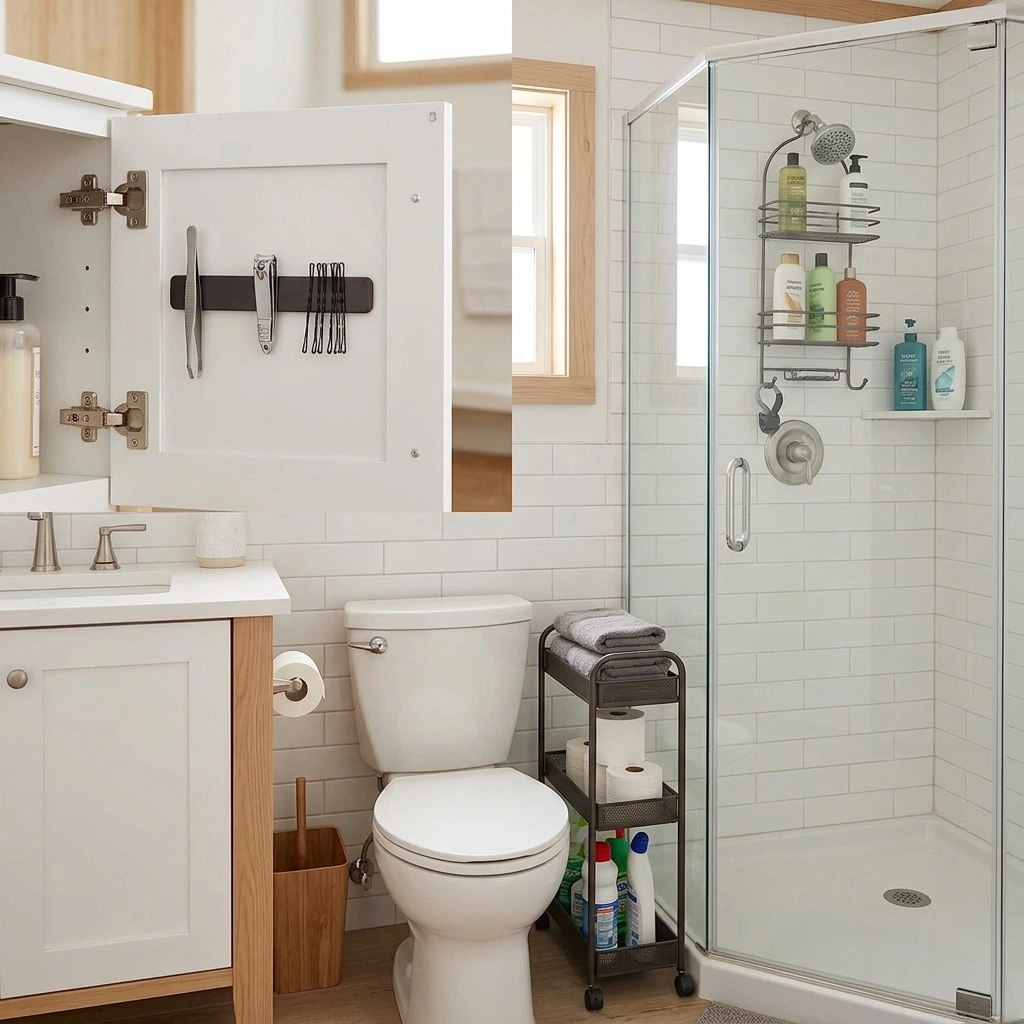
Bathrooms often lack even basic storage, yet we have a dozen products we use every morning. The solution is to get creative with the space you do have, specifically the area around your sink and shower.
- Magnetic strips: Attach these to the inside of a vanity door to hold tweezers, nail clippers, and bobby pins.
- Shower caddies: If your shower stall is tiny, look for over-the-shower-head organizers to keep bottles off the ledges.
- Tiered carts: A narrow rolling cart can be tucked between the toilet and the vanity, offering three levels of storage for towels and extra supplies.
8. Utilizing Forgotten Dead Space
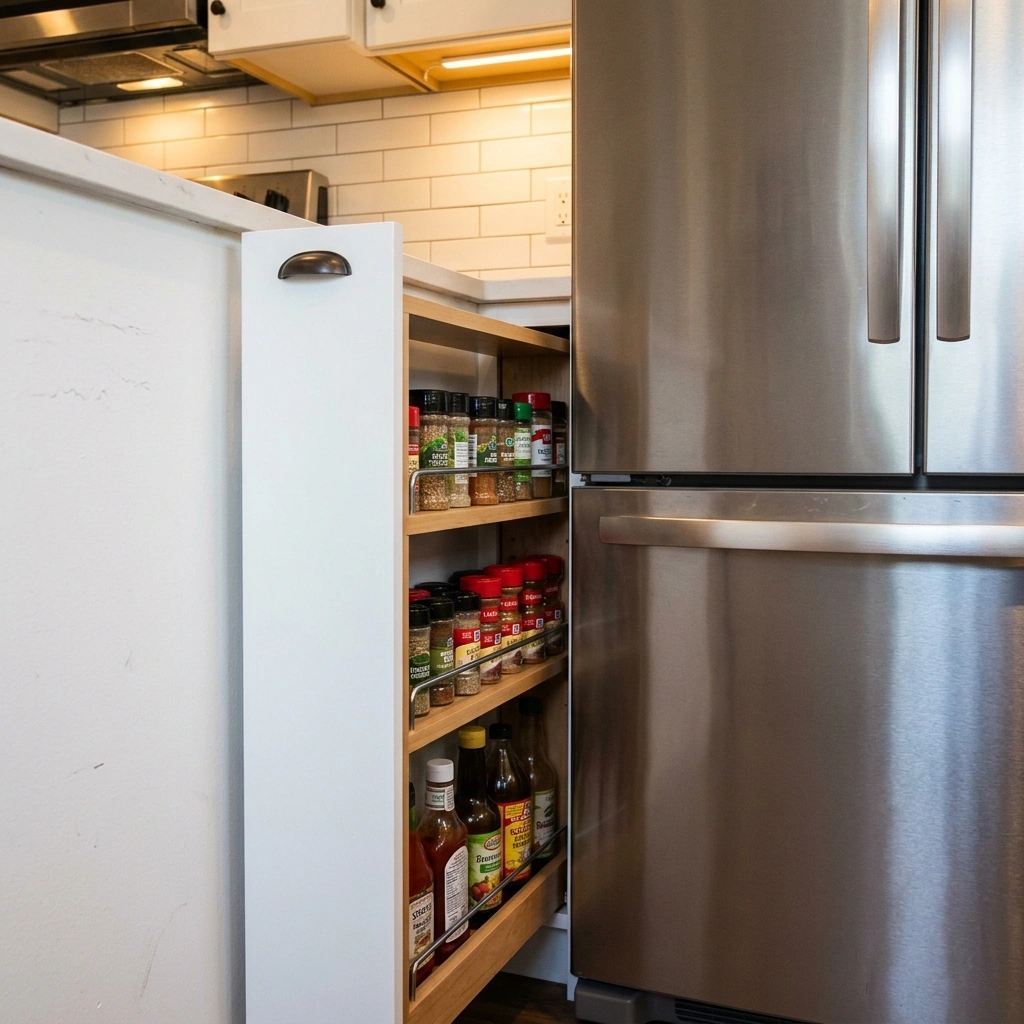
Every apartment has “dead space”—that awkward gap between the fridge and the wall, the area above the doorway, or the corner of a room that nothing seems to fit into.
A narrow, rolling spice rack or pantry slide-out is perfect for that sliver of space next to your refrigerator. Above your bedroom or bathroom doors, you can install a single shelf for storing towels or books.
These small, often ignored spots are perfect for low-profile items, and when utilized consistently, they add up to a significant amount of additional storage.
9. Curating Your Belongings

Perhaps the most important small apartment storage tip isn’t about buying a new bin or shelf—it’s about editing. Storage solutions are only effective if you aren’t storing things you don’t actually use.
Before you invest in organizational tools, audit your belongings. Ask yourself: “Do I use this? Does it spark joy? Is it a duplicate?” Often, the best way to “organize” a small space is to reduce the volume of items competing for that space.
When you only keep what you love and need, your storage solutions suddenly have plenty of room to breathe.
10. Maintenance and Habits
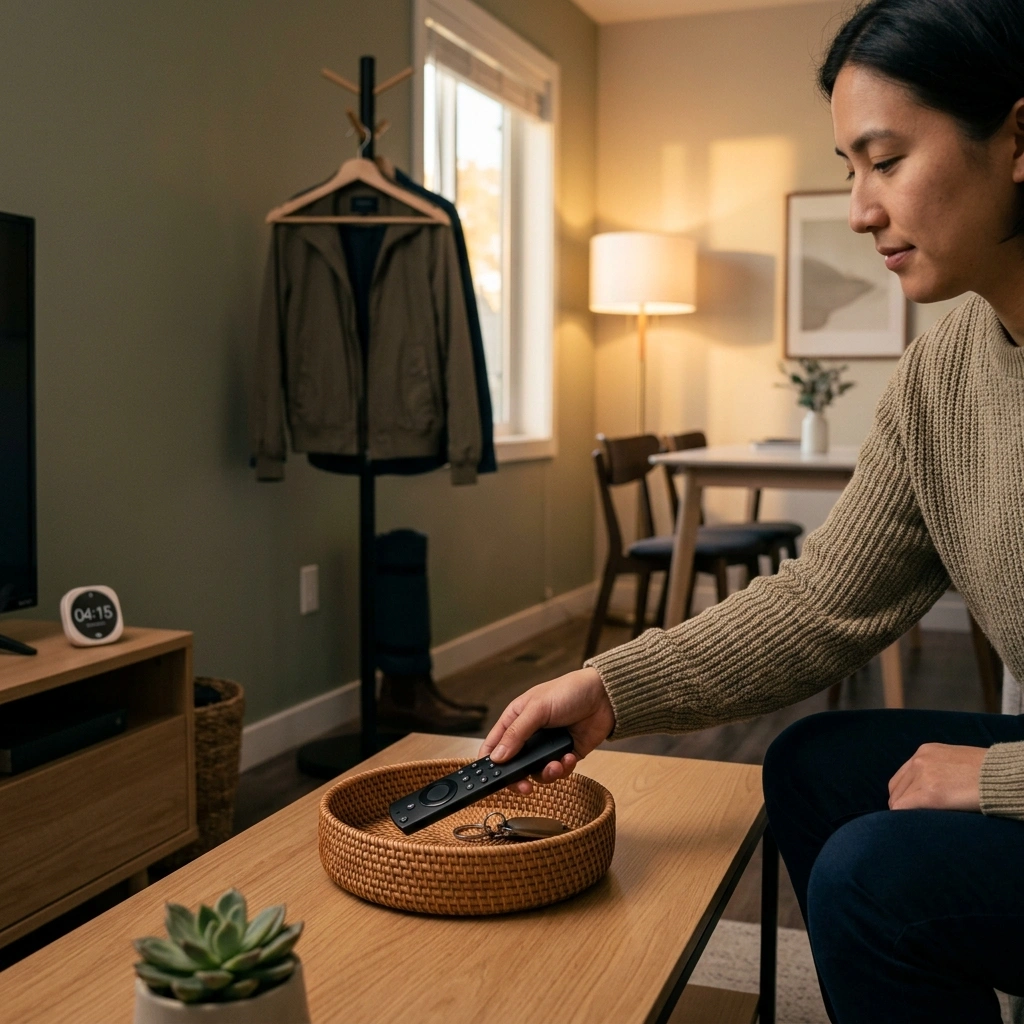
Even the best storage system will fail if you don’t maintain it. Storage is a habit as much as it is a physical setup. Spend five minutes each evening resetting your space—tucking away remotes, hanging up your jacket, and clearing the table.
Consistency is the secret ingredient to keeping a small home feeling spacious. If you don’t let clutter pile up, you’ll never have to perform a massive clean-out. It’s about creating a workflow that makes putting things away easier than leaving them out.
Final Thoughts on Small-Space Living
Creating a functional, organized home in a small footprint is entirely possible when you stop viewing limitations as roadblocks. By utilizing your walls, opting for hardworking furniture, and keeping a lean inventory of your belongings, you can turn even the tiniest studio into a comfortable, serene retreat.
Remember, the goal isn’t to cram every inch with “stuff.” It’s about building a system that serves your lifestyle. Start with one of these ideas—like adding an under-bed bin or a wall shelf—and watch how much lighter your space feels. Happy organizing.