Ever look at your backyard and just see potential salad? I get it. Trying to squeeze every last tomato and cucumber out of a small space is practically an Olympic sport. I’ve spent years digging in the dirt, failing, and finally figuring out what actually works. Let’s walk through some totally doable backyard vegetable garden layouts that will have you drowning in produce, not weeding till your knees give out. Trust me, it’s easier than you think to get that maximum yield.
1. The Classic Raised Bed Grid
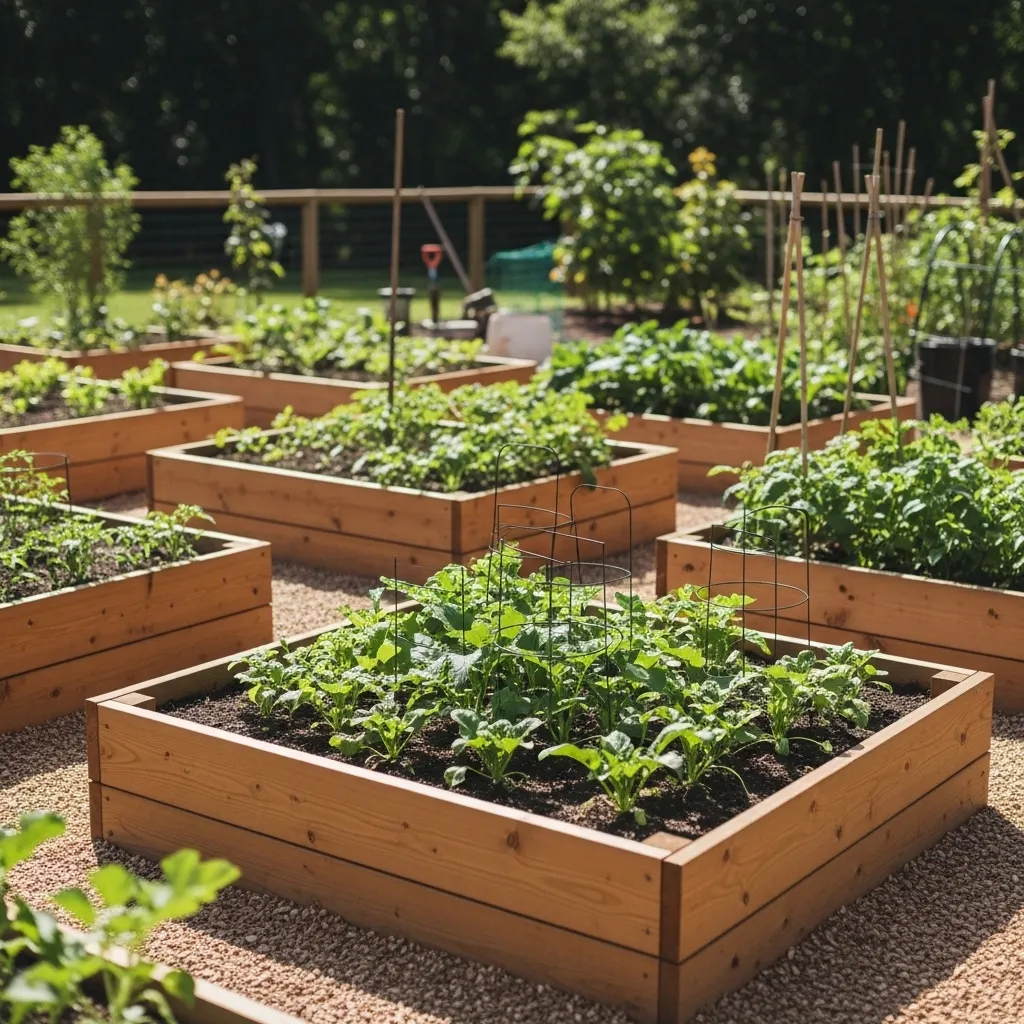
Raised beds are basically cheating, in the best way. They solve drainage issues and keep grass out. But how you arrange them matters for maximum yield. I’m obsessed with a simple grid pattern because it maximizes growing space while keeping pathways defined and accessible.
- Standard Size: Aim for 4×4 or 4×8 feet; any wider and you can’t reach the middle without stepping in (big no-no).
- Optimal Pathways: Make paths at least 2-3 feet wide for wheelbarrow access.
- Succession Planting: This layout is perfect for constantly replanting fresh greens as soon as one crop is done.
2. Row Cropping, Redefined
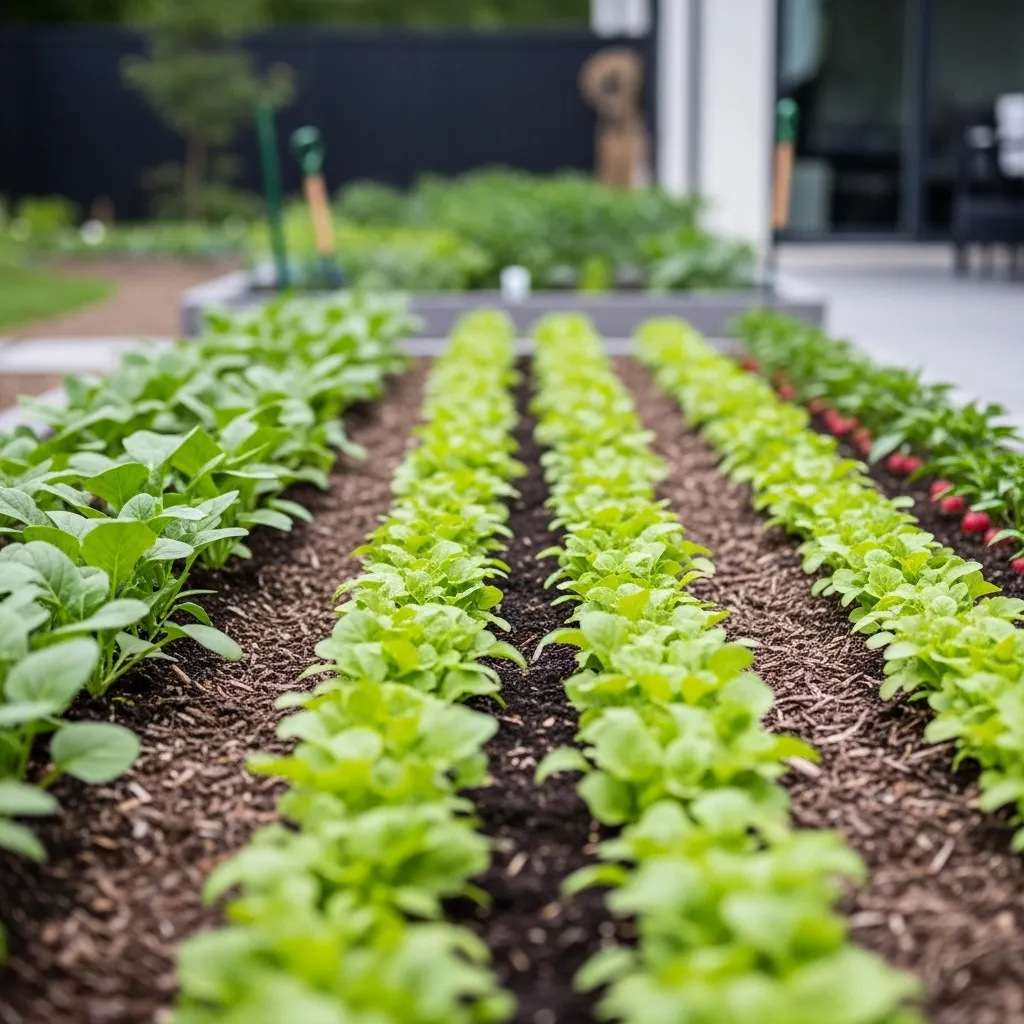
Forget those mile-long single rows you see on farm tours; that’s a waste of backyard space. For maximum efficiency, we are talking about intensive row cropping.
You want short, tightly packed rows. It feels crowded, but when done right, the plants shade out weeds, which is IMO the ultimate gardening win.
- Intensive Spacing: Plant closer than seed packets suggest, letting leafy greens touch.
- Interplanting: Sneak fast-growers like radishes between slower crops like peppers.
- Mulching: Heavy mulch between rows keeps moisture in and weeds down.
3. The Vertical Victory Layout
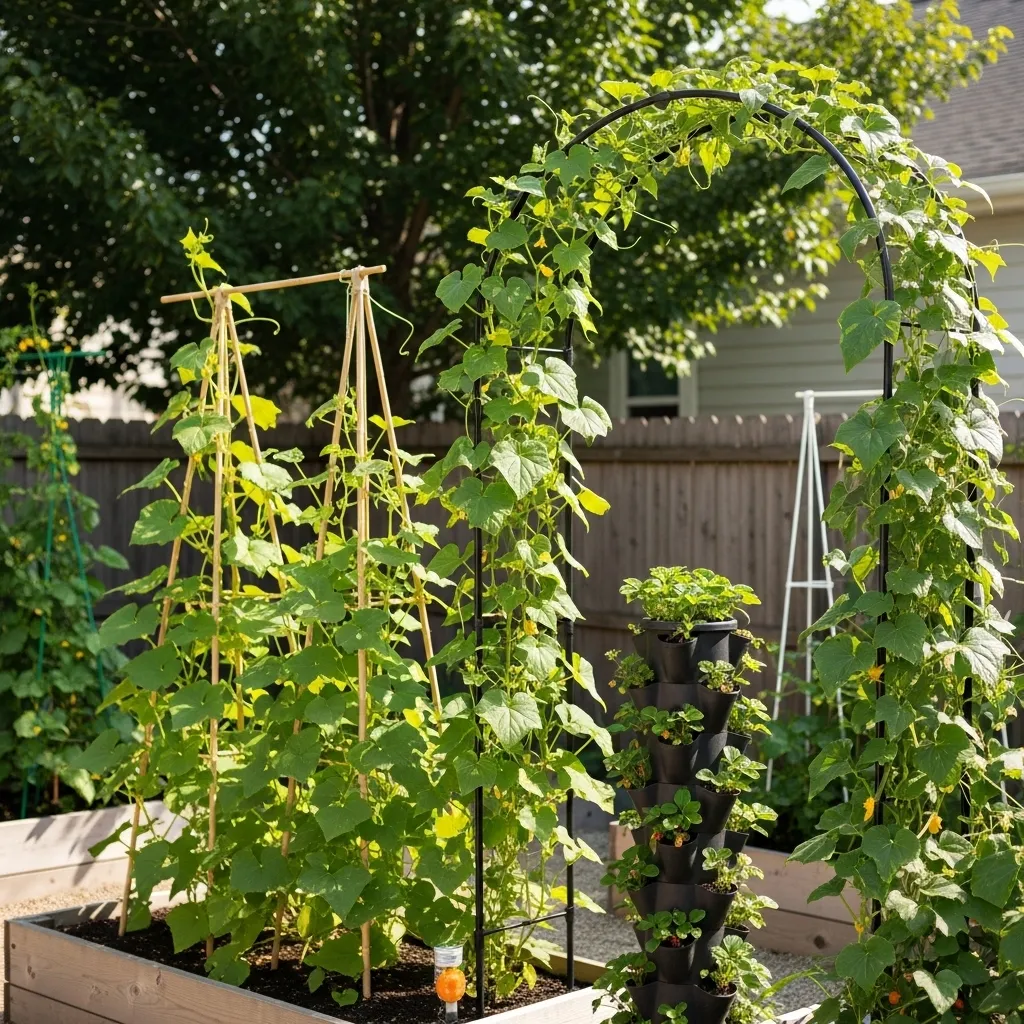
If you can’t grow out, you have to grow up! Vertical gardening is a non-negotiable strategy when maximizing yield in small areas.
By training vining plants to go north, you free up massive amounts of ground space for ground-hugging crops like bush beans or strawberries.
- Trellis Systems: Use cattle panels, A-frames, or netting for cucumbers, pole beans, and squash.
- Archways: Create beautiful, edible tunnels with vining tomatoes or small melons.
- Vertical Towers: Utilize stacked planters or hydrodynamic towers for strawberries and herbs.
4. The Square Foot Gardening Method
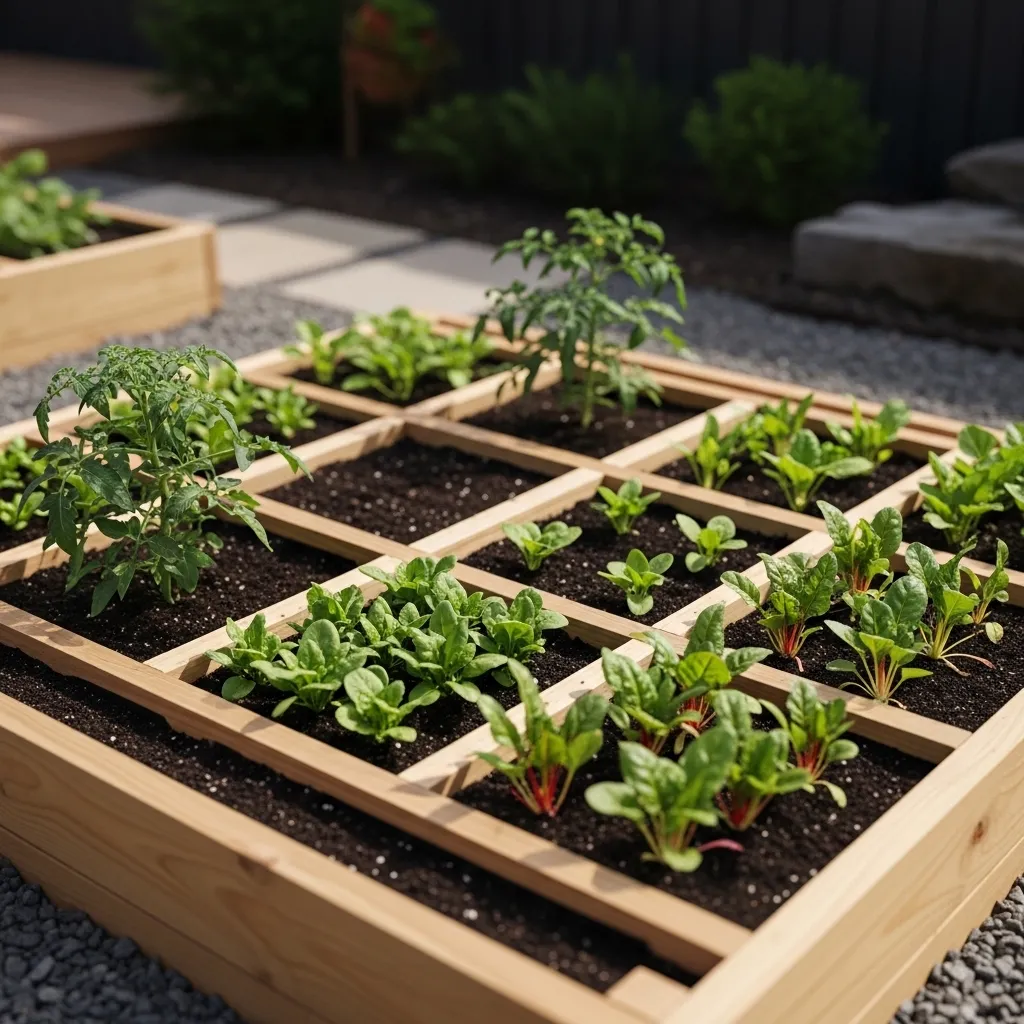
This is the ultimate layout for control freaks (guilty!). You literally divide a raised bed into one-foot squares with a physical grid. Every square foot is dedicated to a specific number of plants based on their size.
It totally eliminates guesswork and stops you from overplanting or wasting space.
- The Grid: Use wood or string to create a permanent grid on top of your raised bed.
- Plant Spacing: Know exactly how many plants (e.g., 1 tomato, 4 chard, 9 spinach) fit per square.
- Zero Waste: This method ensures every inch of soil is productive.
5. Companion Planting Polyculture
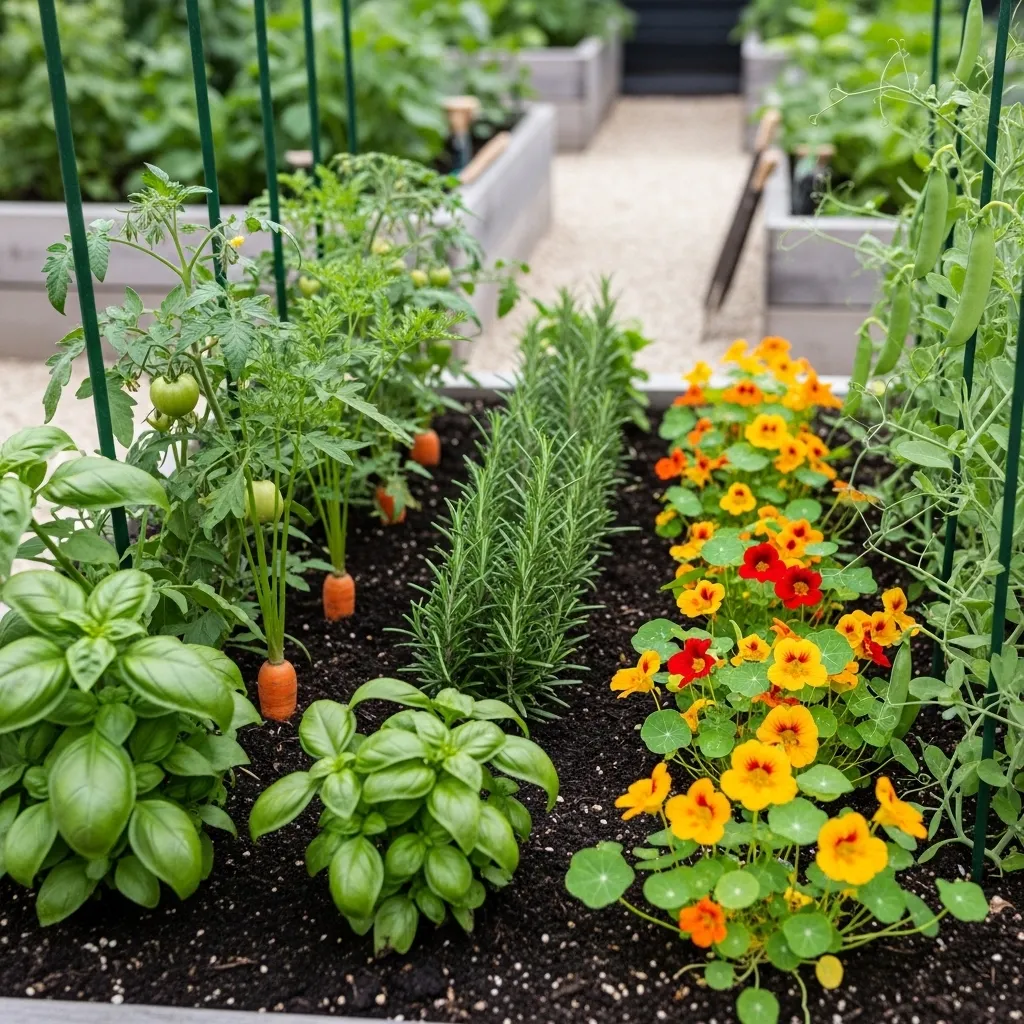
Monoculture (planting only one thing) is boring and bad for soil. Polyculture is where it’s at! This layout arranges plants in clusters based on how they help each other.
It naturally repels pests, improves soil health, and boosts your vegetable garden yield without needing crazy chemicals.
- Classic Pairing: Basil loves tomatoes; carrots love rosemary.
- Trap Cropping: Plant nasturtiums away from vegetables to lure aphids.
- Nutritional Support: Legumes like peas fix nitrogen in the soil, feeding nearby heavy feeders.
6. Keyhole Garden Layout
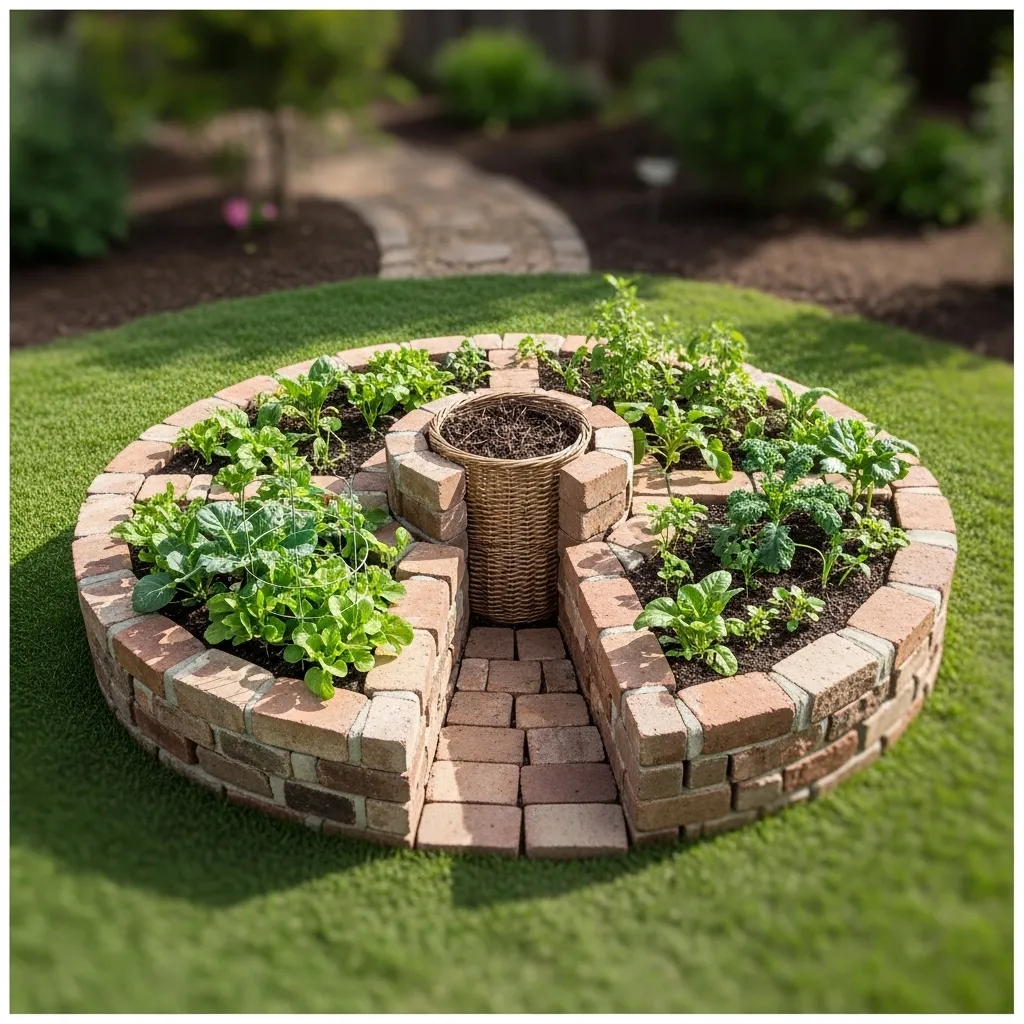
Need something highly efficient that also self-fertilizes? This African-style layout is genius. It’s a circular raised bed with a small, wedge-shaped path cut into the center to access a built-in composting basket.
You water and feed the garden through the center basket, naturally enriching the soil.
- Central Compost: Water the garden through the center to disperse nutrients constantly.
- Moisture Retention: The design is excellent for arid climates or areas with limited water.
- Space Efficient: The circular shape offers a surprising amount of growing space.
7. The Three Sisters Guild
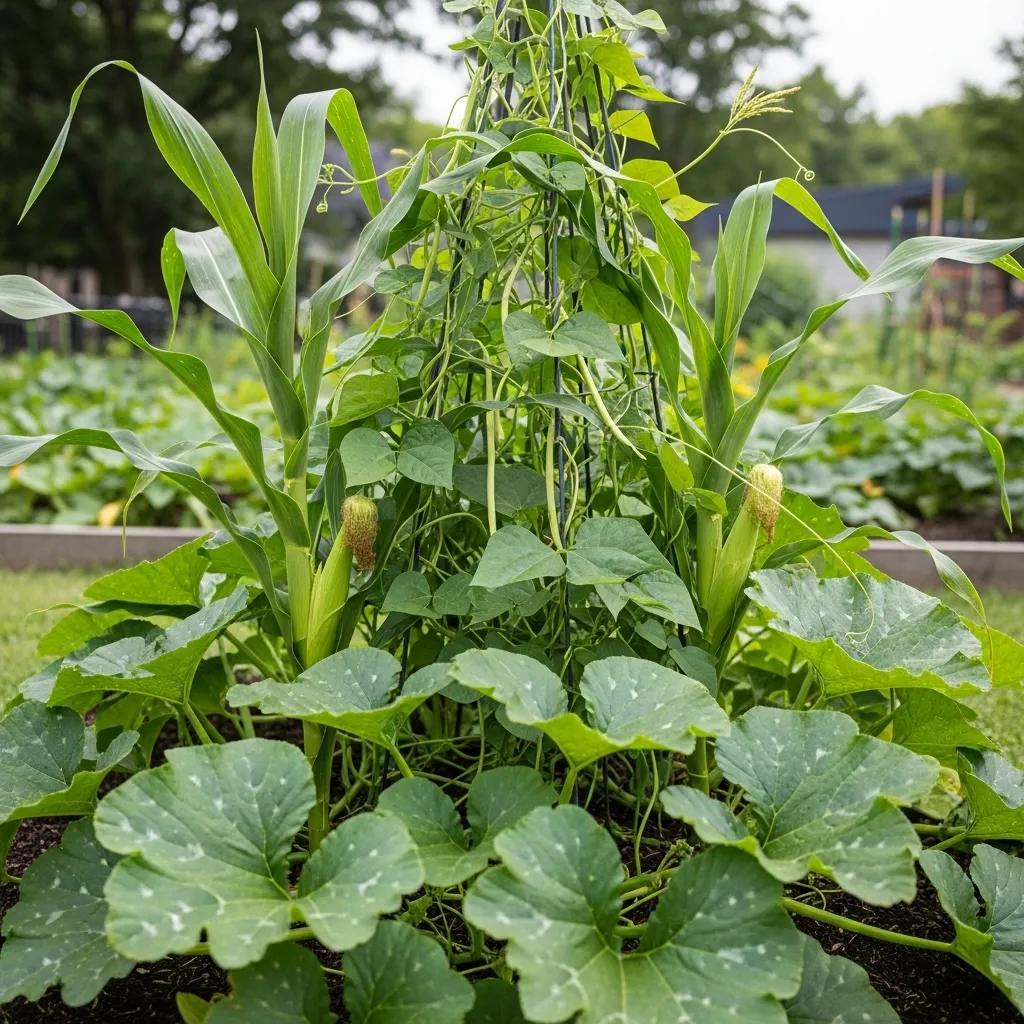
This ancient layout is the original companion planting MVP. You plant corn, beans, and squash together in mounds.
The corn provides a trellis, the beans fix nitrogen and stabilize the corn, and the squash mulches the ground and deters pests. It’s a closed-loop system that looks a bit wild but produces massively.
- Corn as Trellis: Ensure corn is about 6 inches tall before planting vining beans nearby.
- Bean Nutrition: The beans add vital nitrogen back into the soil, feeding the heavy-feeding corn.
- Squash Mulch: Prickly squash leaves keep weeds down and raccoons out.
8. Intensive Succession Planting Beds
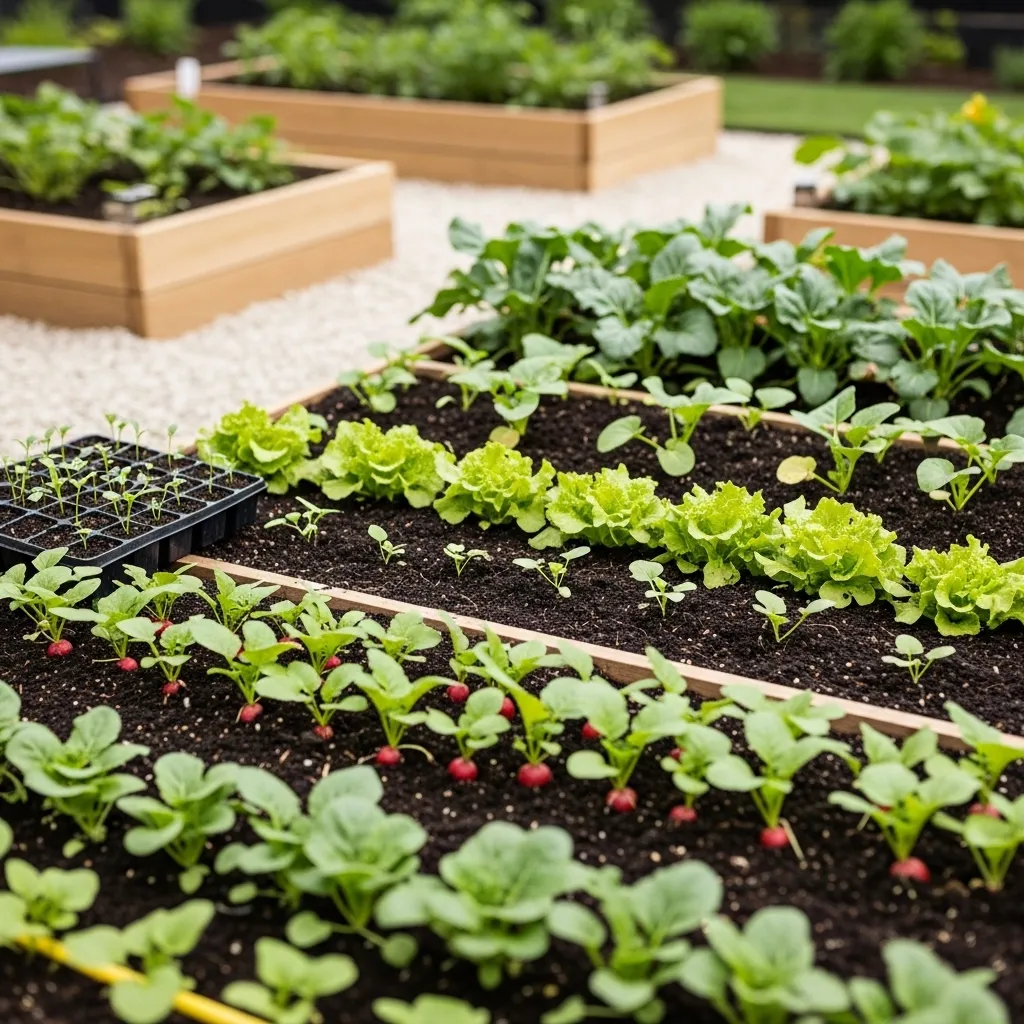
This isn’t just one layout; it’s a constant rotation system within your beds.
You literally never leave soil empty. As soon as you harvest one crop (say, spring radishes), you have a seedling (maybe summer squash) ready to plug into that exact spot. It’s relentless, but the yield is incredible.
- Crop Rotation: Never plant the same family (e.g., nightshades like tomatoes) in the same spot twice in a row.
- Continuous Harvesting: Stagger plant dates so you aren’t overwhelmed with 50 heads of lettuce at once.
- Start Seedlings: Always have a ‘backup’ tray of seedlings ready to fill gaps.
9. Potager or Kitchen Garden
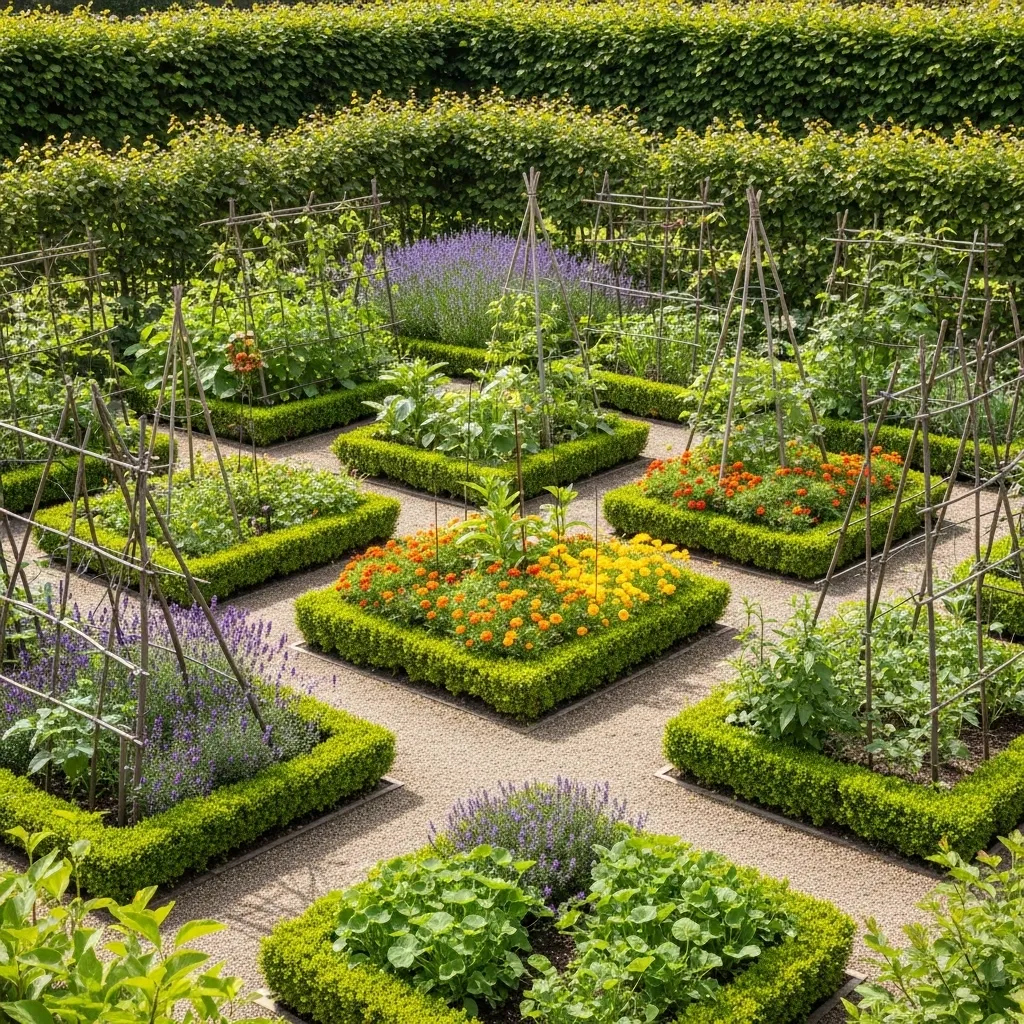
Want your garden to be gorgeous and productive? The French “potager” layout blends vegetables, herbs, fruits, and flowers into a geometric, edible landscape.
The flowers attract pollinators, the herbs deter pests, and the overall look makes you happy just looking at it. Win-win-win.
- Geometric Design: Use paths, low hedges (like boxwood or lavender), and beds to create structure.
- Edible Flowers: Incorporate calendula, marigolds, and nasturtiums for pest control and beauty.
- Mix in Herbs: Integrate perennial herbs like thyme or rosemary into the bed borders.
10. Container Garden Clusters
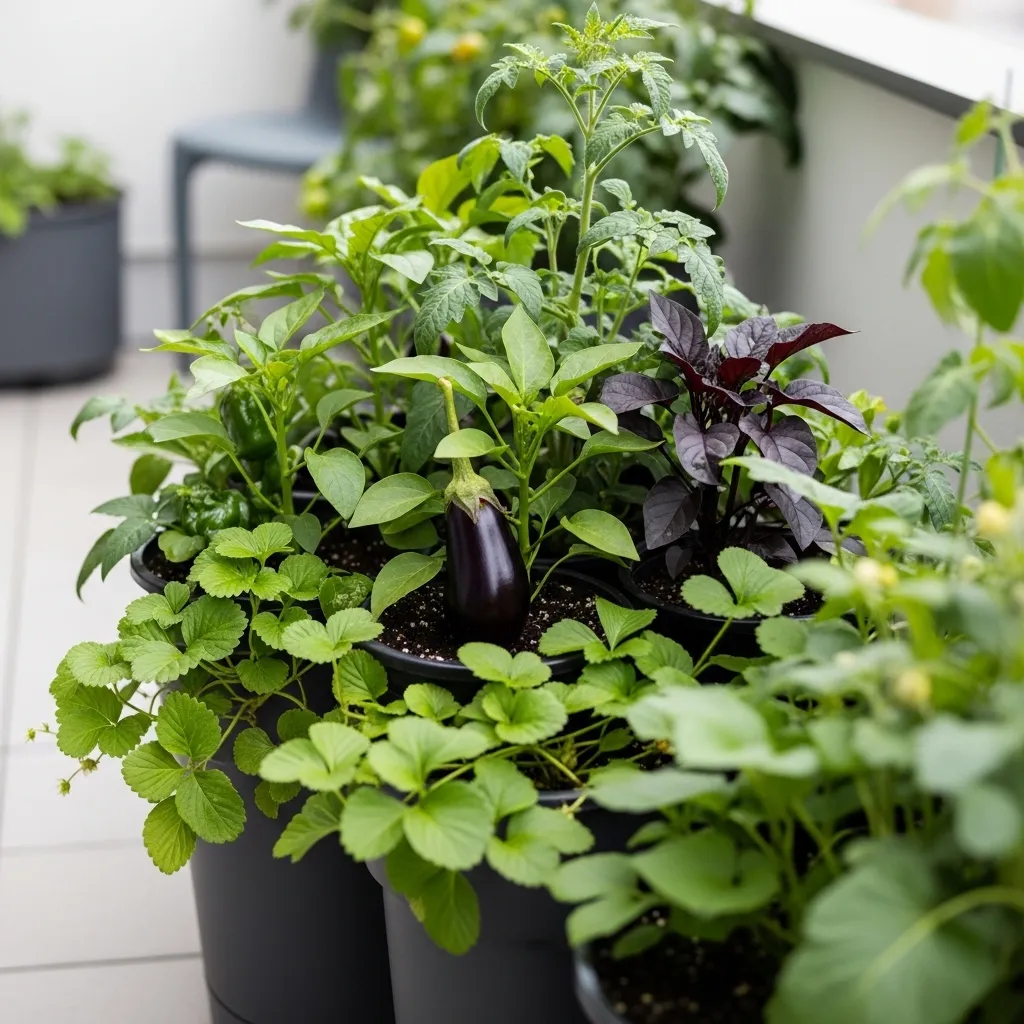
Listen, if you don’t have any dirt, you are not out of the game! Containers are the original small-space hackers. But don’t just have one sad pot. Cluster pots of different sizes together for a lush look, creating microclimates that help retain moisture and boost production.
- Self-Watering Pots: These are total game-changers for thirsty plants like tomatoes or peppers.
- Vertical Spillers: Utilize trailing plants like strawberries or sweet potato vines around pot edges.
- Optimal Pot Size: Never skimp; use large pots (10-15 gallons) for big plants like eggplant or tomatoes.
11. Edible Hedgerow Layout
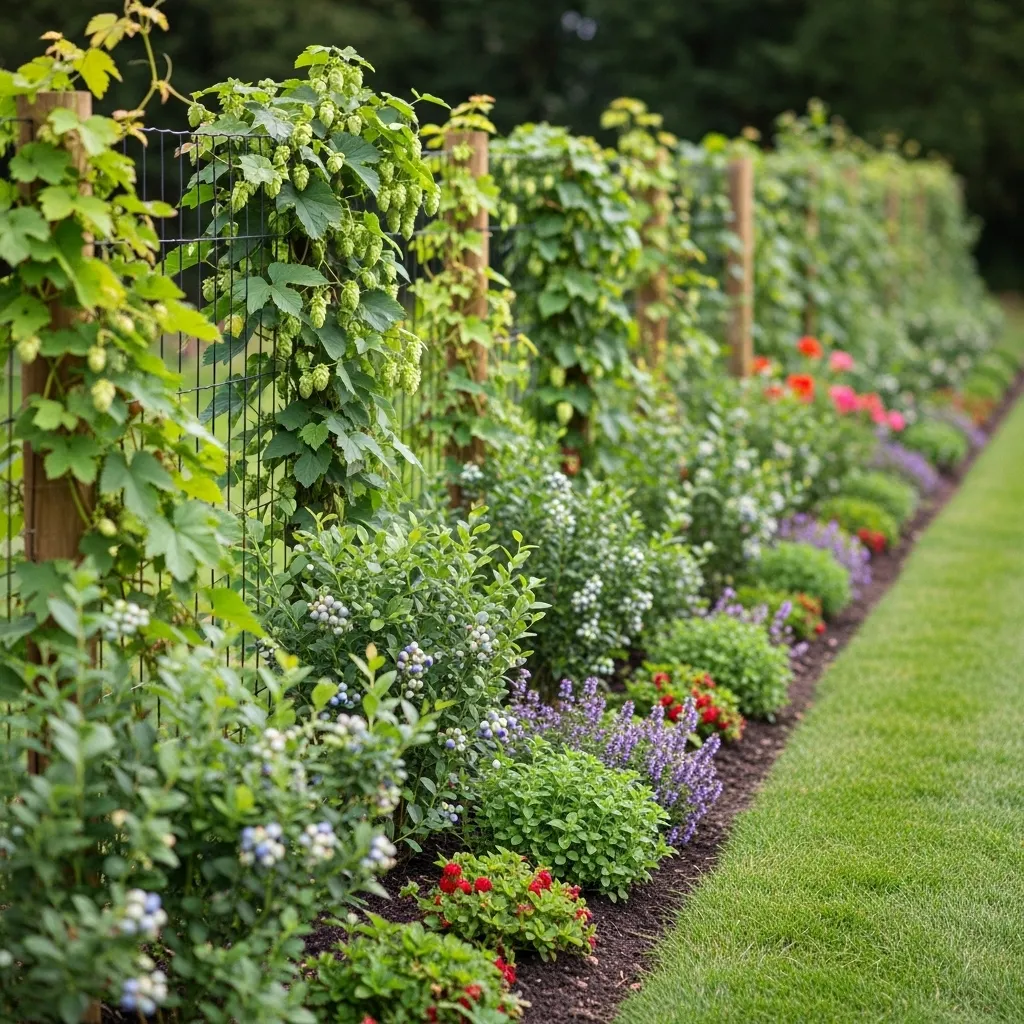
Think outside the box (literally). If you have a long fence line line or property boundary, turn it into a productivity powerhouse. Forget standard boring shrubs; create a “hedgerow” using edible plants. This layout maximizes linear feet and creates a privacy screen you can eat.
- Productive Shrubs: Use blueberry, currant, or gooseberry bushes as your main structure.
- Vining Climbers: Grow grapes, kiwis, or hops along the fence itself.
- Groundcover Edibles: Plant perennial herbs like oregano or strawberries along the base.
12. Deep Bed Intensive System
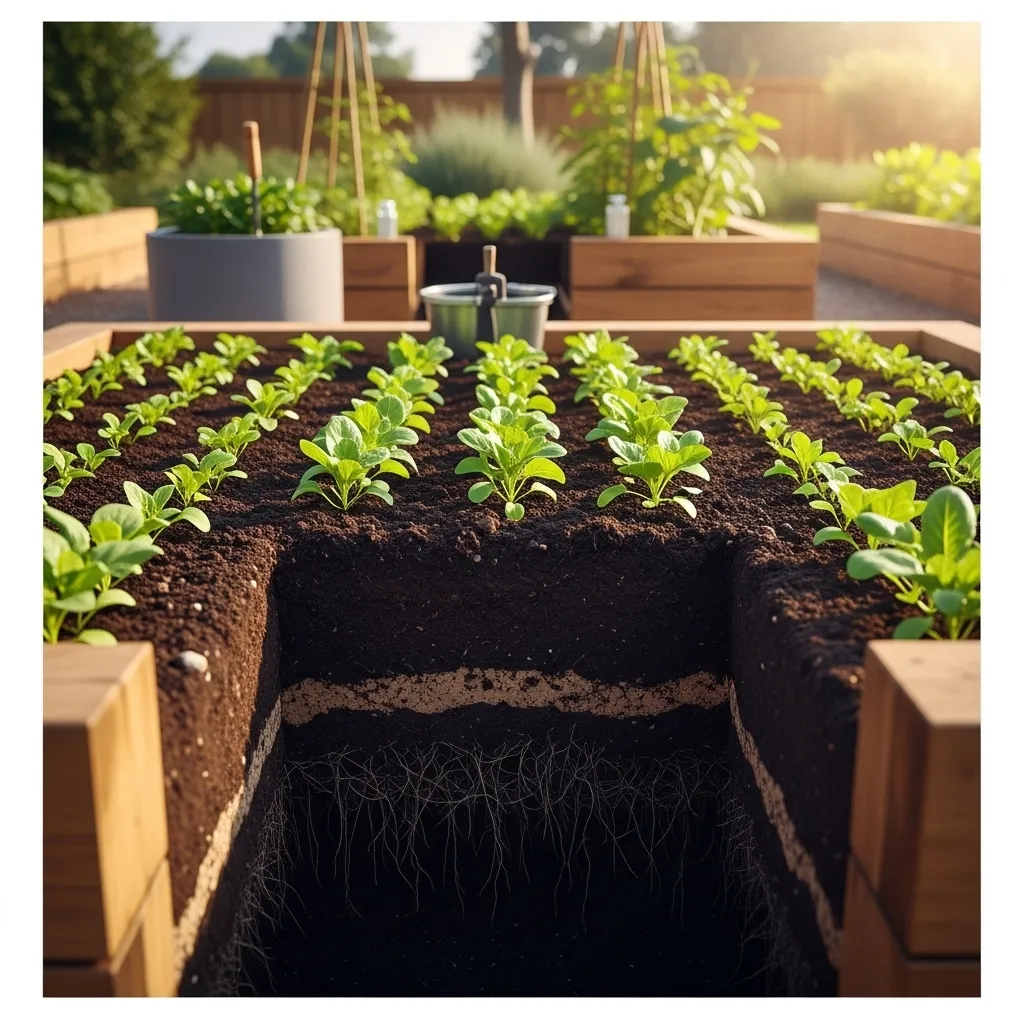
This is about soil depth over soil area. If your soil is awful (rocky, clay), dig down (or build very high beds). By creating extremely deep, loose, nutrient-rich soil, you can space plants ridiculously close together because roots grow down instead of out. This layout maximizes yield per square inch.
- Double Digging: A labor-intensive method to loosen soil 2 feet down (not for the faint of heart!).
- Extreme Nutrient Load: Heavily amend with compost to support dense planting.
- Strict Spacing: Adhere strictly to intensive spacing rules for this method to work.
13. Lasagna Gardening (No-Till)
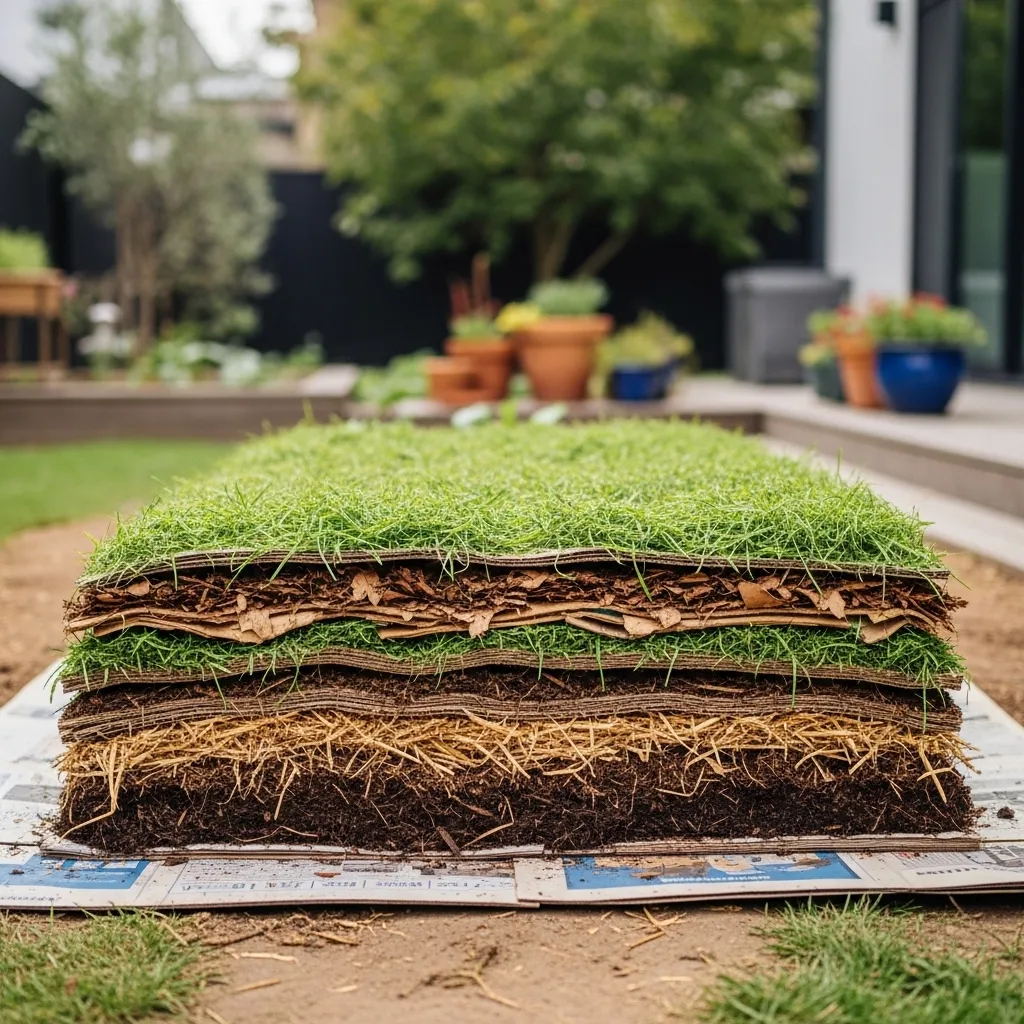
Hate digging? Me too. Lasagna gardening is a layout method where you build layers of organic material right on top of the grass (or weeds!). As the layers decompose, they create rich, loose soil perfect for high-yield planting, all without breaking your back.
- Initial Barrier: Lay down cardboard or newspaper first to smother existing vegetation.
- Layering Materials: Alternate layers of “browns” (leaves, straw) and “greens” (grass clippings, compost).
- No-Till System: Never till the soil; just keep adding organic matter to the top each year.
14. Corner Garden “Pie” Layout
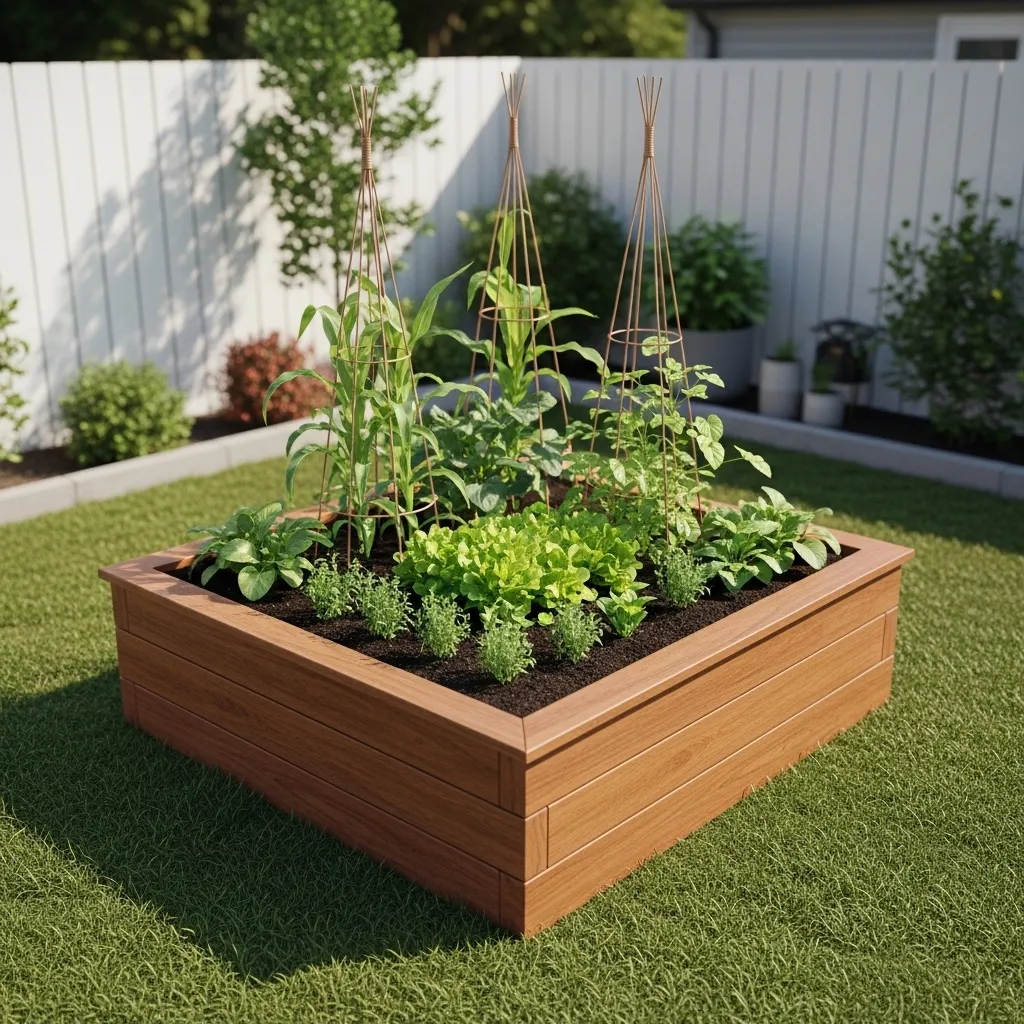
Tuck your productivity into a corner! This layout uses a triangular or pie-wedge shape. The widest part faces the sun, and the narrow tip sits in the corner. It’s aesthetically pleasing and lets you access the entire garden from one or two sides.
- Sun Orientation: Position the widest edge toward the south for maximum sun exposure.
- Visual Hierarchy: Put tall plants like corn or trellised tomatoes at the back point (the corner).
- Easy Access: Keep all plantings reachable within 3 feet of the front edge.
There you have it—14 killer backyard vegetable garden layouts that will seriously boost your harvest. You don’t need acres of land; you just need a smart plan and a lot of compost. Seriously, start with one raised bed or a cluster of pots, pick a layout, and watch your produce production skyrocket. It’s entirely achievable to maximize your yield, even in a small space. Go get your hands dirty! 🙂