Ah, spring! The air is warmer, the birds are singing, and my garden is looking… well, let’s just say it’s seen better days. Anyone else have a patch of dirt that’s more weeds than wonders right now? If your thumbs are feeling slightly less than green, don’t panic. You’re not alone, and I’ve got some seriously cool, totally doable ideas to turn that brown blob into a blooming paradise. Ready to actually enjoy your backyard this year? Let’s do this.
1. Start with Your Soil
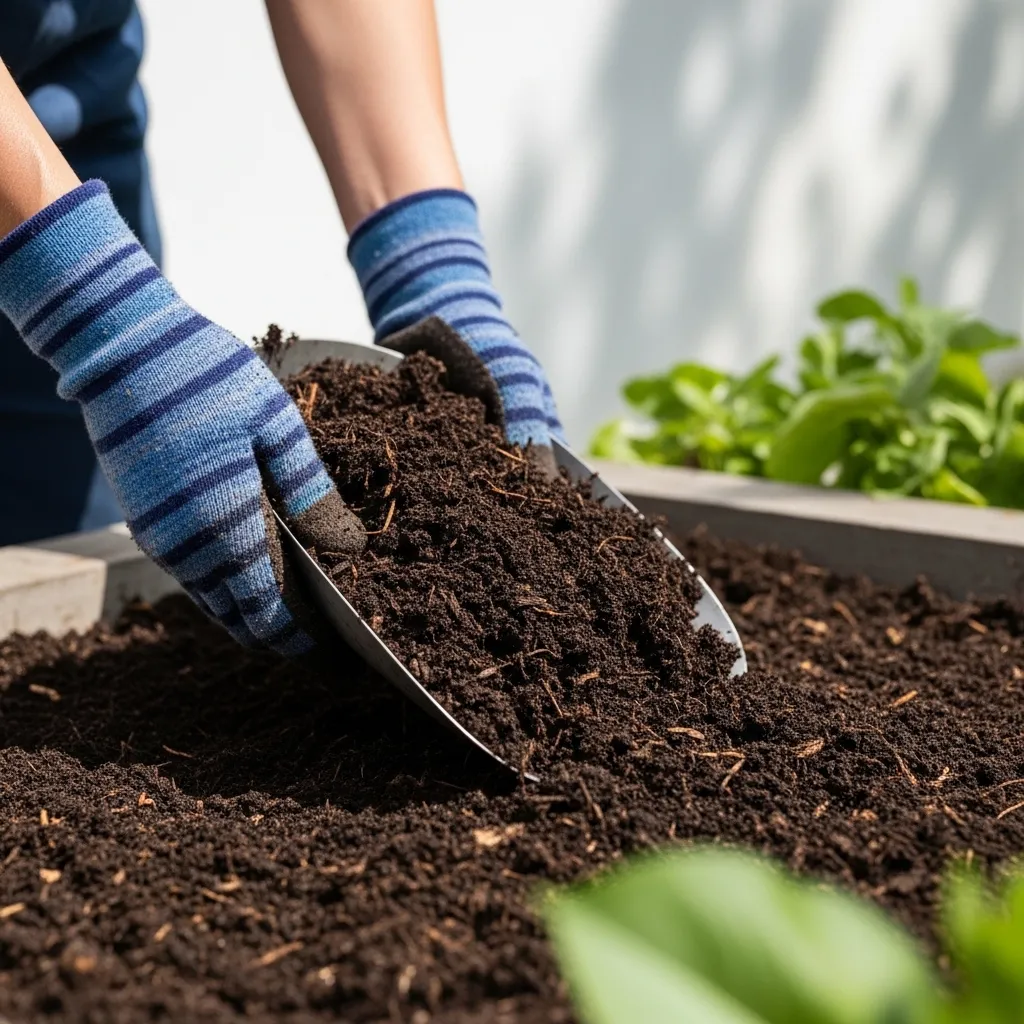
Alright, look. Nobody gets excited about dirt, but if you ignore this, you’re basically doomed. Your soil is everything. Think of it as the foundation for your garden’s success—kind of like coffee is for my morning. Test your soil first. Knowing what you’re working with is half the battle. Then, amend, amend, amend. Seriously, pile on that compost. And hey, mulch is your best friend. It keeps moisture in and weeds out, so you spend less time sweating and more time… not sweating.
- Test your soil’s pH and nutrient levels.
- Incorporate compost, well-rotted manure, or leaf mold.
- Apply a layer of organic mulch after planting.
2. Plan Your Colors
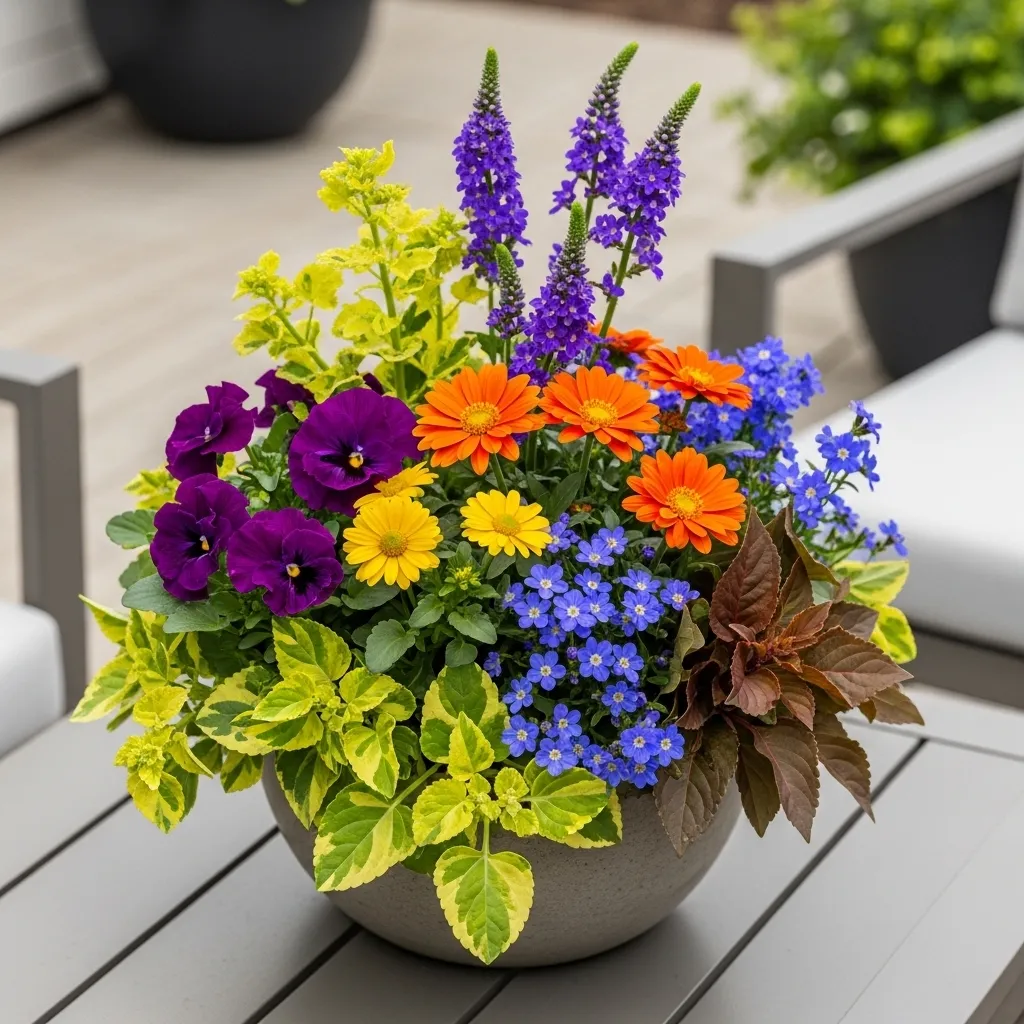
Okay, this is the fun part! Don’t just throw plants in and hope for the best (guilty). Decide on a vibe. Want a cool, calming oasis with blues and whites? Or a fiery, energetic explosion of reds and yellows? It’s your call. Remember, complementary colors pop. Think purple and yellow, or orange and blue. Ever wondered why those pairs look so good together? And don’t forget foliage colors count too. Lime green leaves can brighten up a shady spot instantly.
- Choose a primary color palette and stick to it.
- Use complementary colors for visual impact.
- Consider foliage colors, like chartreuse or bronze, as part of your design.
3. Think in Layers
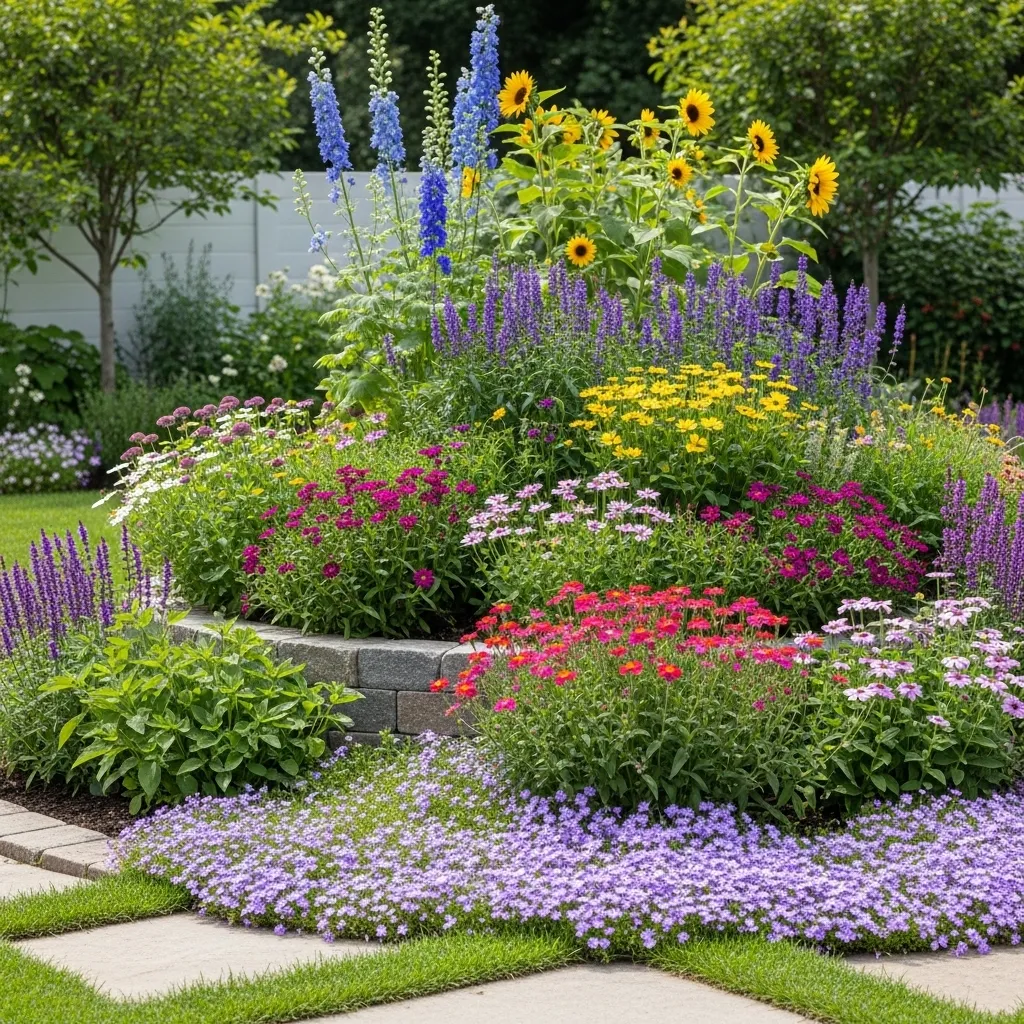
I used to plant everything in single, sad rows. Rookie mistake. Now, I stack ’em high. Layering creates that lush, full look that makes people think you actually know what you’re doing. Start with tall background plants. These are your anchors—shrubs, tall grasses, or climbers. In the middle, go for medium-height plants. This is where your showy perennials usually live. Finally, finish with groundcovers and low growers. They hide the dirt and spill beautifully over edges.
- Place taller plants like delphiniums or sunflowers at the back.
- Use mid-sized perennials and annuals for the main body.
- Incorporate low-growing plants like creeping phlox along paths and borders.
4. Attract the Buzz
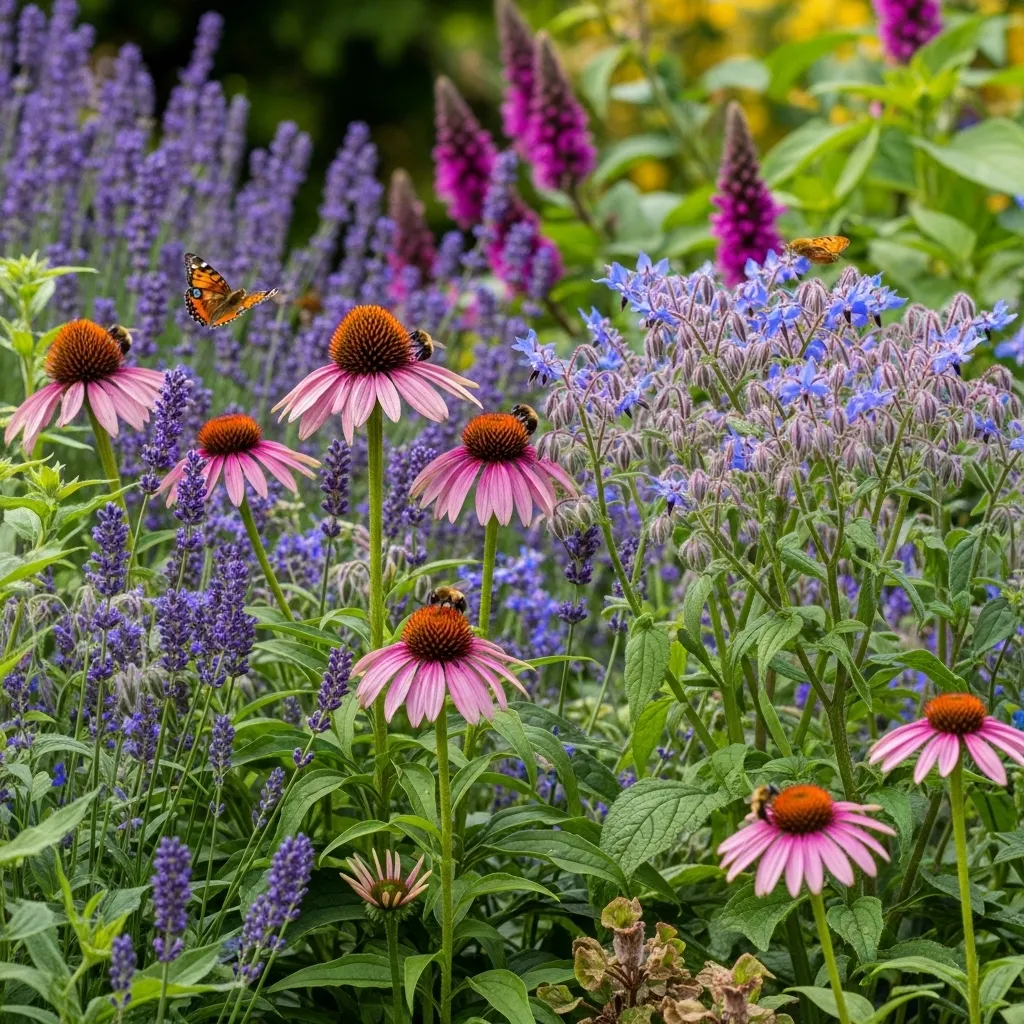
Let’s face it: our gardens need pollinators, and quite frankly, bees and butterflies make the whole place feel more alive. Plant flowers they love. Think lavender, coneflowers, and bee balm—pretty and practical! Do yourself a favor and ditch the chemicals. Pesticides kill the good guys along with the bad, and we don’t want that. Include different flower shapes. Some pollinators like shallow blooms, others need deep ones. Trust me, they’ll appreciate the variety.
- Plant pollinator-favorites like lavender, coneflower, and borage.
- Avoid using broad-spectrum pesticides.
- Include plants with different flower structures to attract a diverse range of pollinators.
5. Grow Up (Literally)
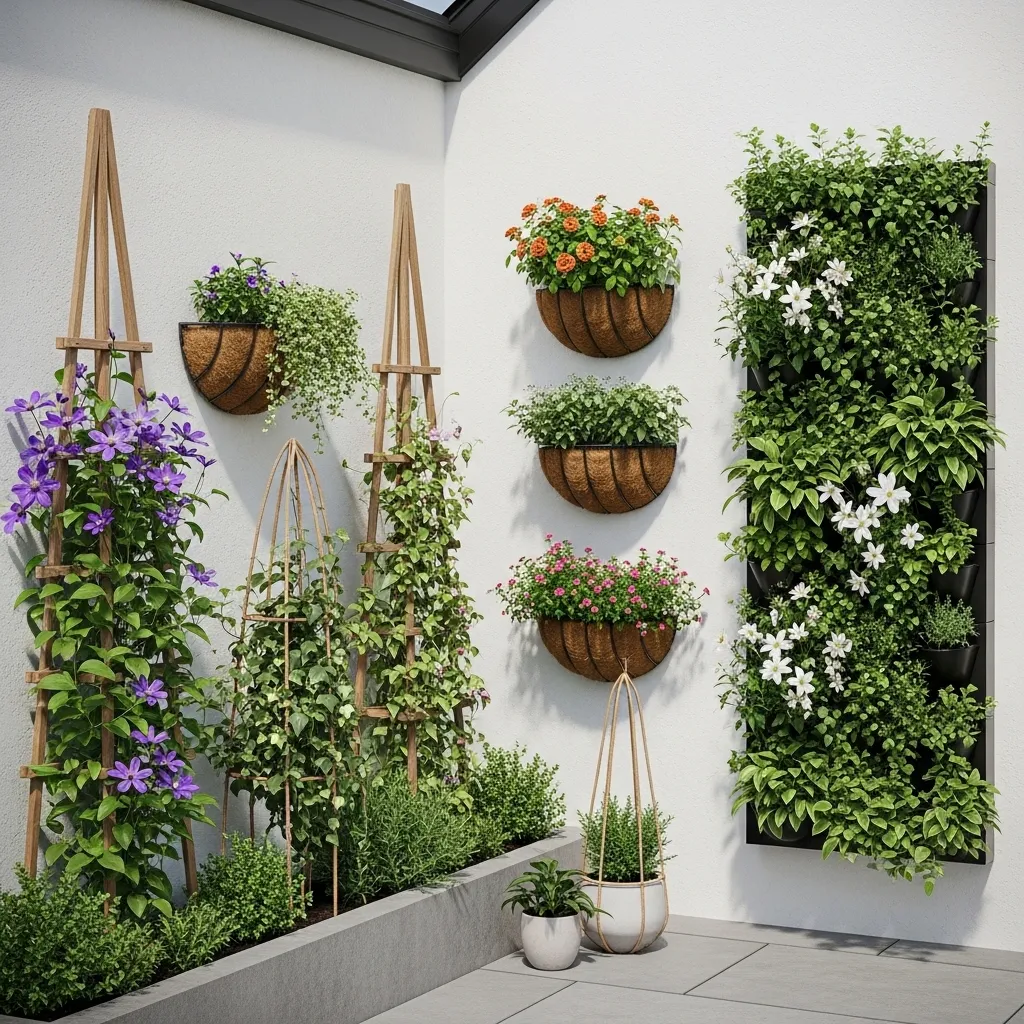
Space a little tight? No worries! Vertical gardening is your secret weapon. It saves space and looks incredibly cool. Use trellises, arbors, and obelisks. These add structure and are perfect for climbing roses, clematis, or even peas and beans. Install wall planters or hanging baskets. Fill them with spilling petunias or herbs right near your kitchen door. And hey, consider a living wall. IMO, they’re the ultimate garden flex—a vertical tapestry of green.
- Incorporate trellises for climbing plants like clematis or ivy.
- Use wall-mounted containers or hanging baskets for a vertical display.
- Explore living wall systems for a modern, dramatic effect.
6. Mix Your Edibles
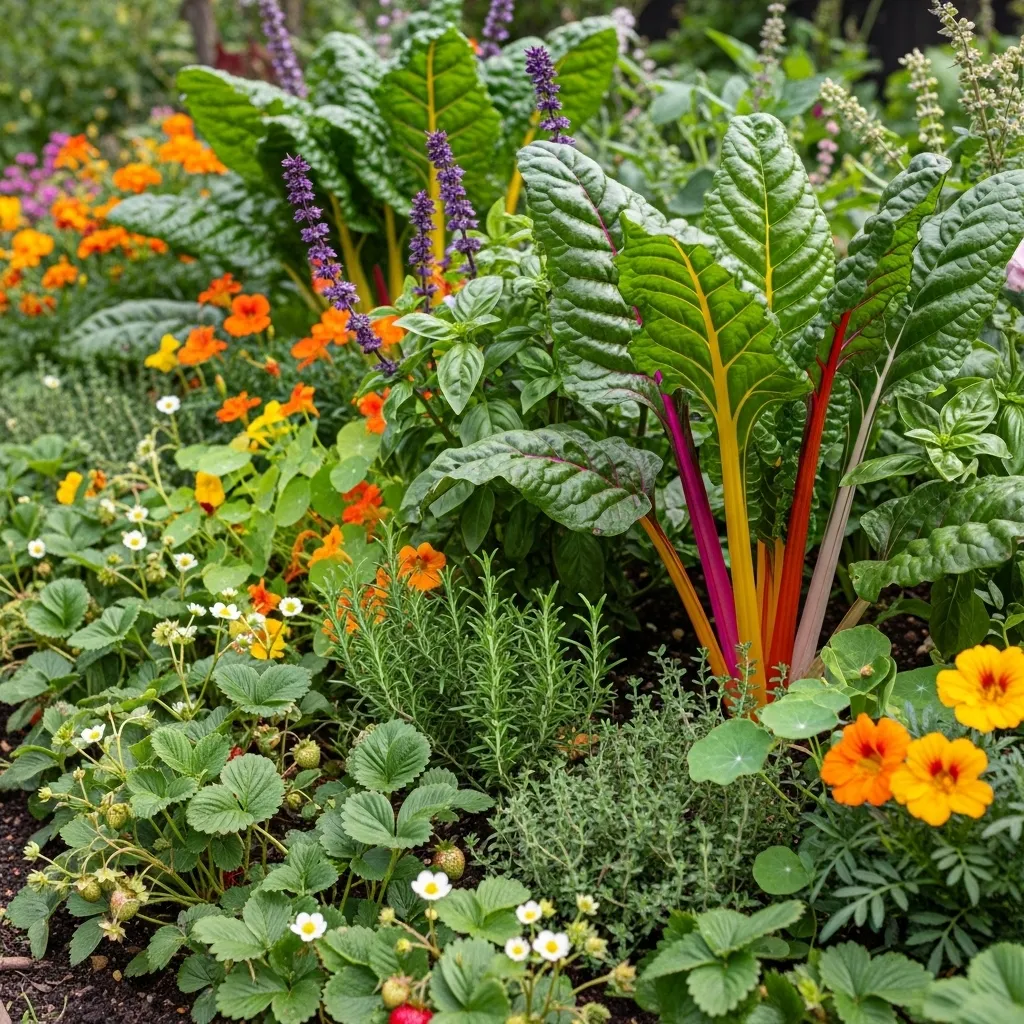
Stop hiding your veggies in a back corner! Incorporate edible plants throughout your flower beds. Many vegetables are beautiful and delicious, making them the ultimate multi-taskers. Try ornamental vegetables. Think rainbow chard, colorful lettuces, or stunning ‘Black Pearl’ peppers. Include herbs everywhere. Rosemary, thyme, and sage have lovely textures and scents. Honestly, is there anything better than grabbing fresh herbs for dinner straight from your garden? I think not. Plant strawberries as groundcover. Attractive flowers, yummy fruit—what’s not to love?
- Mix ornamental vegetables like ‘Bright Lights’ Swiss chard into your borders.
- Scatter herbs such as rosemary, thyme, and basil among your flowers.
- Use edible flowers like nasturtiums and marigolds for color and culinary use.
7. Container Yourself
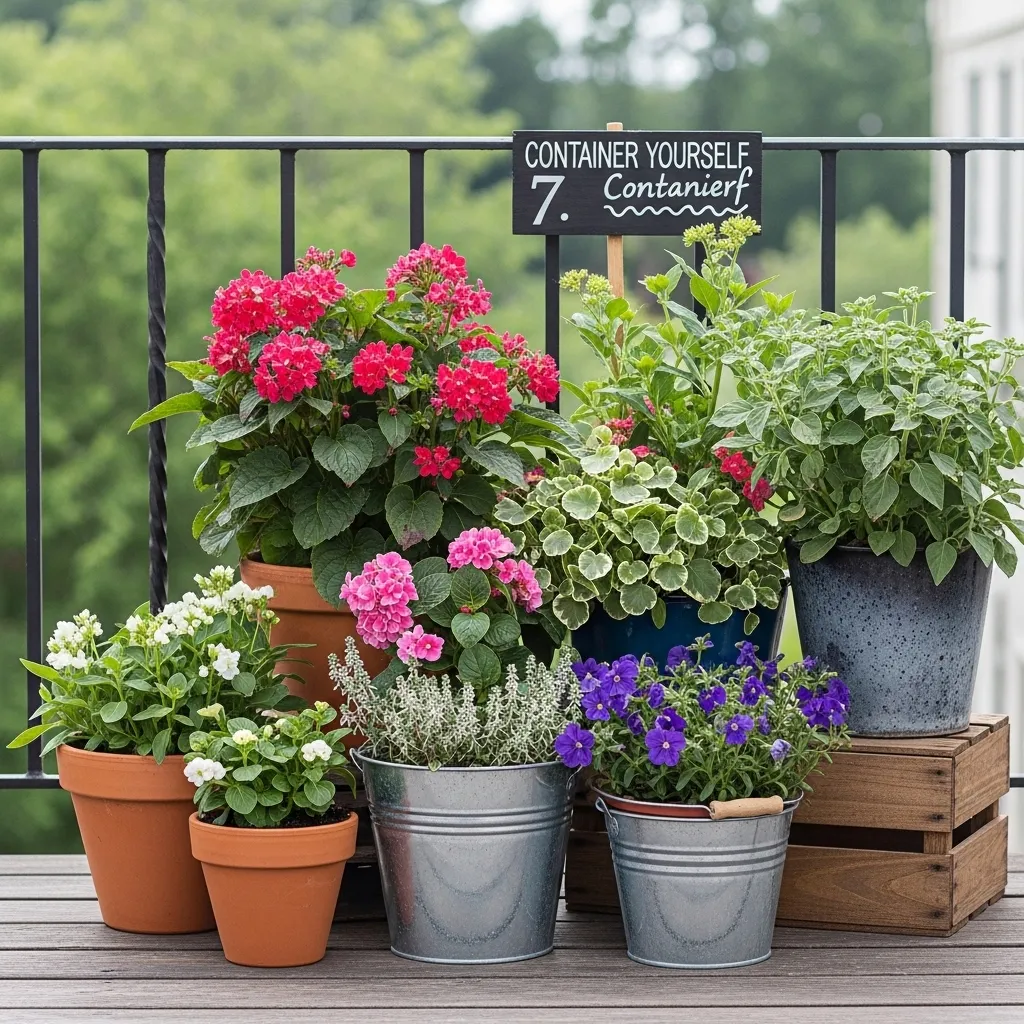
Look, I get it. Digging is hard work. Containers are the answer. They’re versatile, movable, and let you garden anywhere—even a balcony or patio. Choose the right pot size. Ensure it has drainage! Nobody likes soggy roots. Use high-quality potting mix. Please, don’t use garden soil; it’s too dense and doesn’t drain well. Think beyond basic terracotta. Get creative with colorful pots, vintage buckets, or wooden crates. Remember the “Thriller, Filler, Spiller” rule for stunning arrangements every time.
- Select pots with adequate drainage holes.
- Use a high-quality commercial potting mix.
- Create dynamic arrangements using the “thriller, filler, spiller” design method.
8. Add Some Water
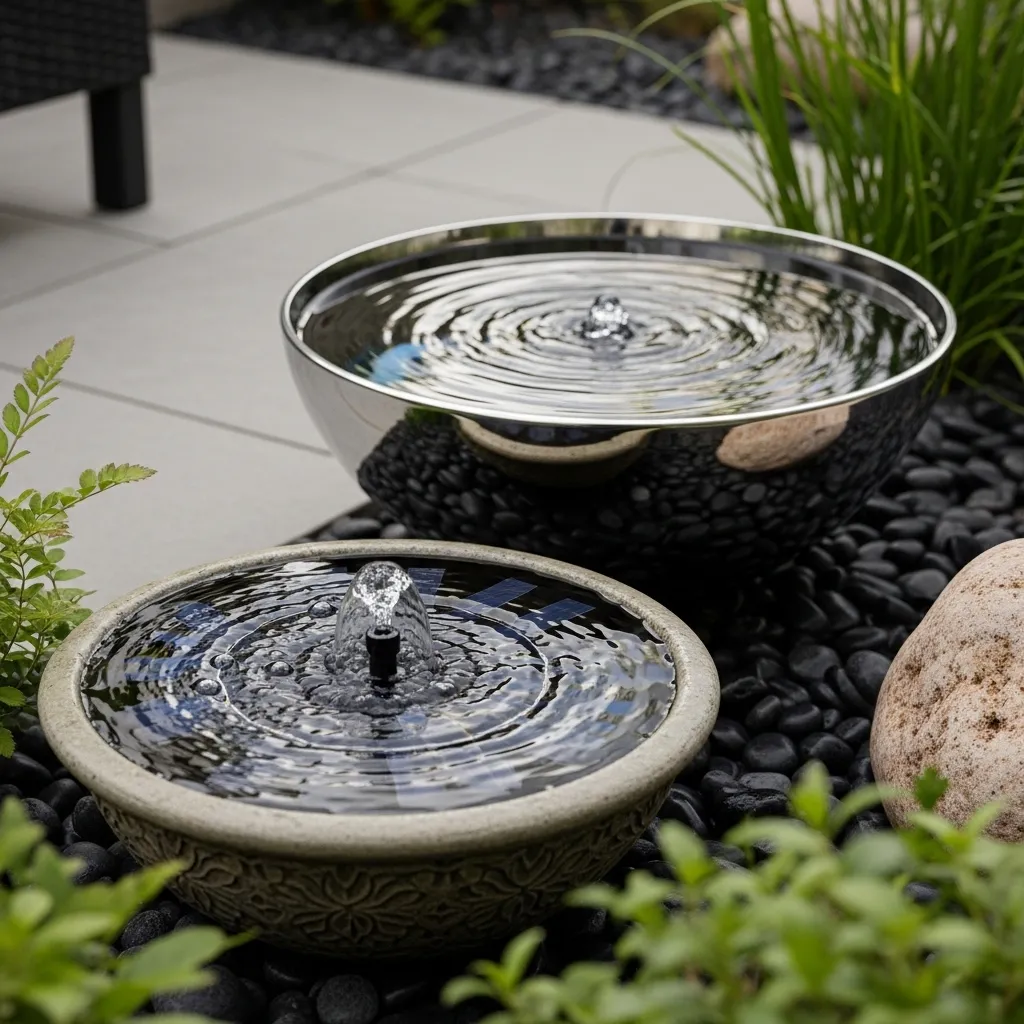
I’m not talking about a massive, high-maintenance pond here. Even a small water feature adds a touch of zen. The sound of gently bubbling water is incredibly soothing, perfect for when you’re hiding from the world (we all do it). Consider a simple, plug-and-play fountain. They are super easy to install. Or, use a large, decorative bowl for an elegant birdbath or reflective pool. Ever noticed how water instantly elevates a space? Just make sure to keep the water clean to prevent mosquitoes and algae.
- Install a small, solar-powered fountain.
- Use a decorative basin or pot as a simple birdbath.
- Place a reflective water bowl or small container pond in a quiet corner.
9. light it up
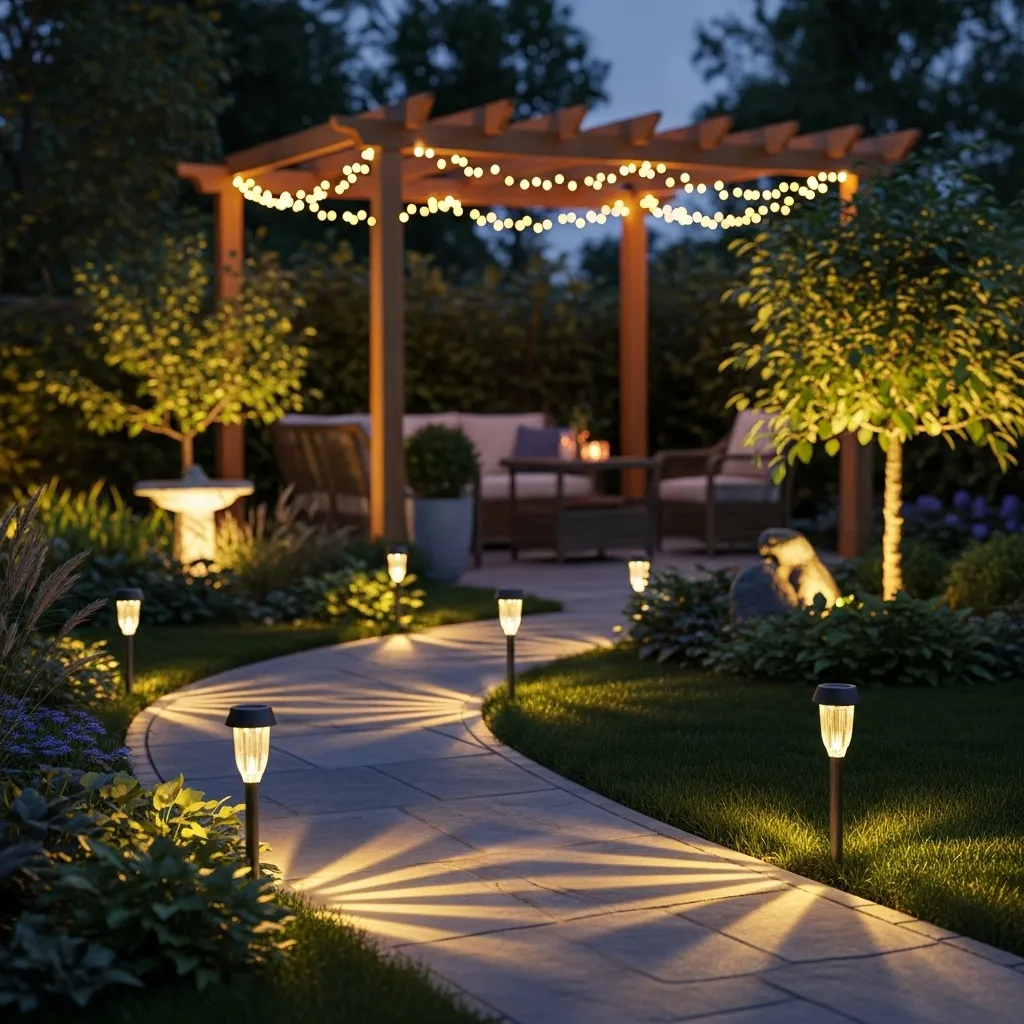
Want to enjoy your garden even after the sun goes down? Add some lighting. It completely transforms the atmosphere, making it magical and inviting in the evenings. Use solar-powered stake lights to line pathways—easy peasy! Drape string lights (fairy lights, FYI) over arbors or patios for an instant cozy vibe. And consider subtly illuminating trees or sculptures from below for a dramatic, professional look. Seriously, good lighting lets you squeeze every last ounce of joy out of your outdoor space.
- Incorporate solar stake lights along walkways.
- Hang string lights over a patio or seating area.
- Use uplighting to accent specimen trees or garden structures.
10. Think Beyond the Plants
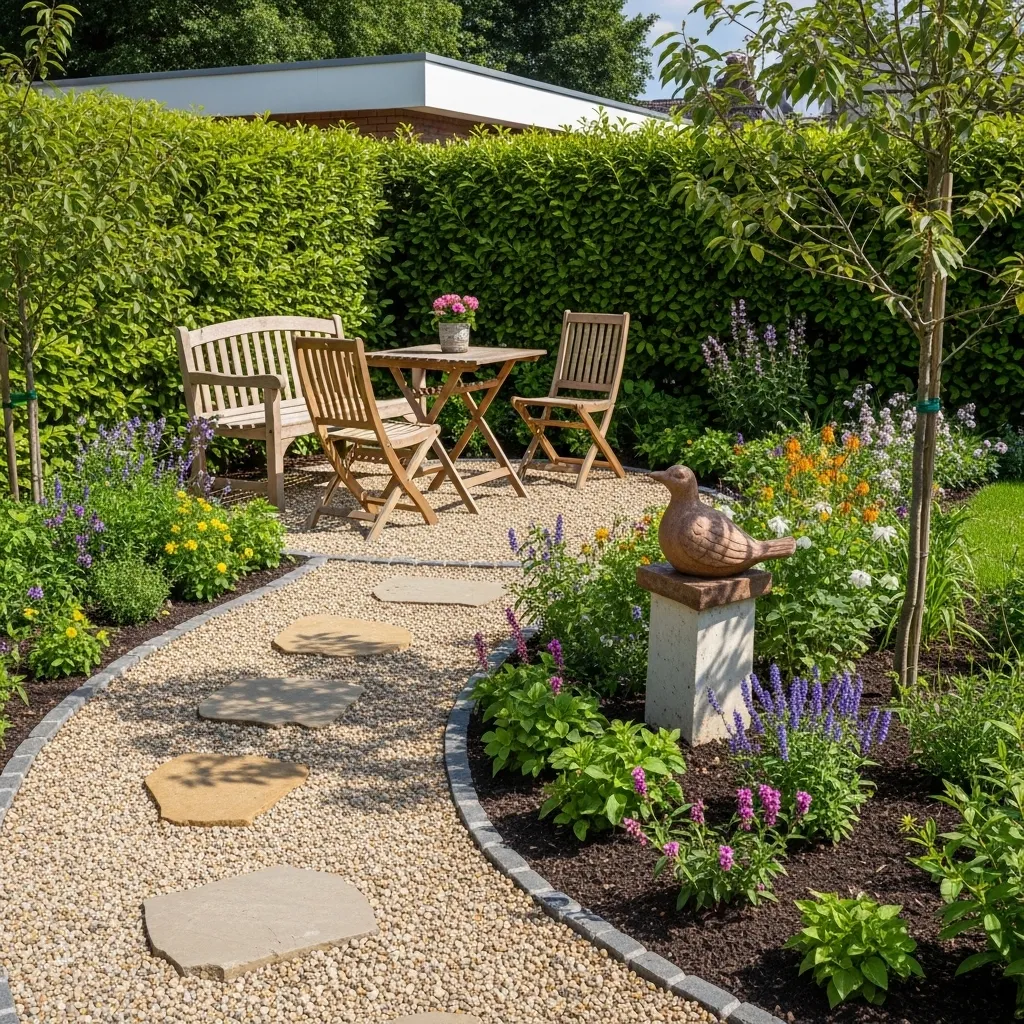
Look, plants are great, but sometimes a garden needs a little extra something. Add structure with hardscaping. I’m talking paths, patios, or even a simple bench. Create cozy nooks. A small table and chairs nestled among the greenery? Yes, please. I practically live in mine all spring and summer. And don’t forget garden art! A tasteful sculpture or brightly colored ceramic bird can add a lot of personality (and maybe hide a few imperfect plants…). Just ensure these elements complement your overall design and don’t overwhelm it.
- Define garden areas with clear pathways using gravel, stepping stones, or mulch.
- Incorporate comfortable seating, like a bench or bistro set.
- Add a piece of garden art or a decorative container as a focal point.
11. Keep Up with Maintenance
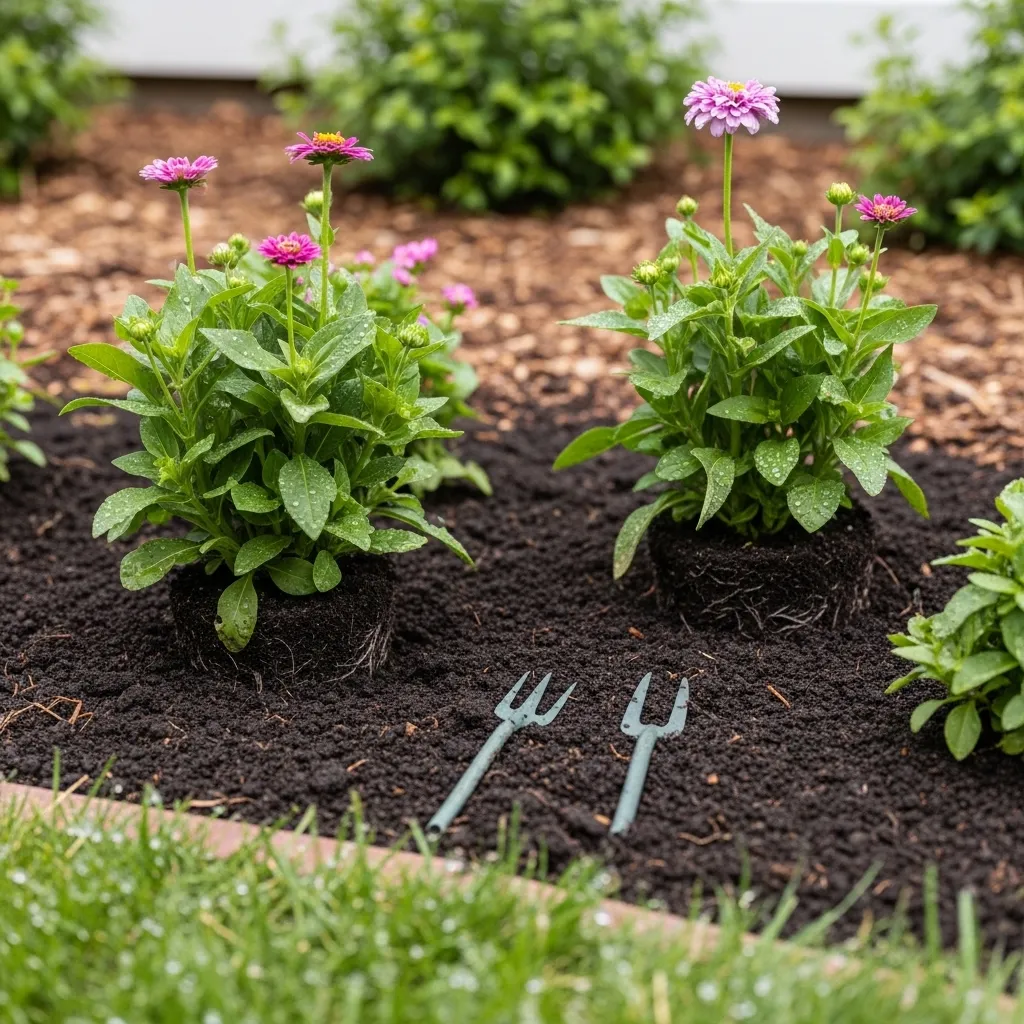
Okay, I hate to be a downer, but a little maintenance goes a long, long way. Ignore your garden, and it will become a jungle. Stay on top of weeding. Trust me, pull them while they’re small, or you’ll regret it later. Deadhead spent flowers. This clever trick encourages plants to produce even more blooms. And water wisely. Early morning is best, and always water deeply at the base—not on the leaves. Think of it as self-care… for your plants.
- Weed regularly to reduce competition for resources.
- Deadhead flowers to encourage repeat blooming.
- Water deeply at the root zone, preferably in the early morning.
12. Don’t Be Afraid to Change
Here’s the thing: gardens are dynamic, not static. What worked last year might not work this year, and that’s totally okay. Observe and adapt. Noticed a plant is unhappy? Move it! Saw a combo you love online? Try it! Don’t be afraid of failure. Honestly, I’ve killed more plants than I’d care to admit—it’s how we learn. Experimenting is half the fun. If you’re not trying new things, you’re missing out. So go on, embrace the ever-changing nature of your green space.
- Pay attention to what’s thriving and what’s struggling.
- Relocate plants that are in the wrong spot.
- Try new plant varieties and design ideas each season.
Whew, that was a lot! We’ve covered everything from soil to style, hopefully leaving you bursting with ideas to tackle your spring garden with confidence. Remember, a stunning outdoor space doesn’t happen overnight, but with a little planning, some dirt under your fingernails, and a willingness to learn (and laugh at your mistakes!), you can create a blooming paradise. What are you waiting for? Grab that trowel, put on your sun hat, and let’s get planting! Happy spring! 🙂