Stop overpaying for wilted kale that looks like it gave up on life weeks ago. Growing your own food isn’t just for people with overalls and tractors. I’ve spent years turning my backyard into a snackable paradise, and I’ve made every mistake imaginable so you don’t have to. Ready to transform that patch of dirt into something spectacular? Let’s get growing! 🙂
1. The Classic Raised Bed Grid
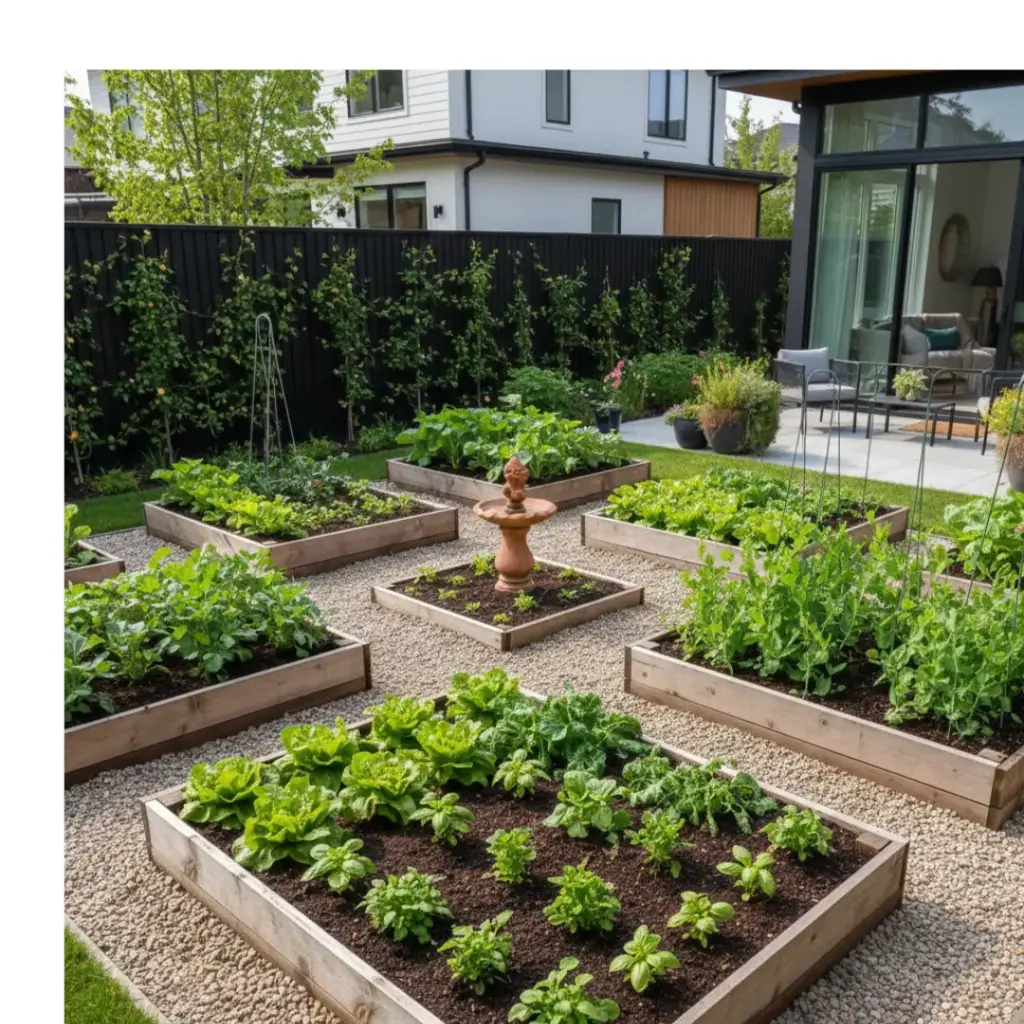
Raised beds are the “gold standard” for a reason—they save your back and keep things tidy.
I personally love 4×4 squares because you can reach the middle without stepping on your precious soil. Ever tried weeding a 10-foot wide bed? Your lower back will never forgive you.
- Optimal Drainage: Excess water escapes easily, preventing root rot.
- Soil Control: You choose exactly what nutrients go into the mix.
- Defined Paths: Keeps foot traffic away from your delicate seedlings.
2. The Vertical A-Frame Trellis
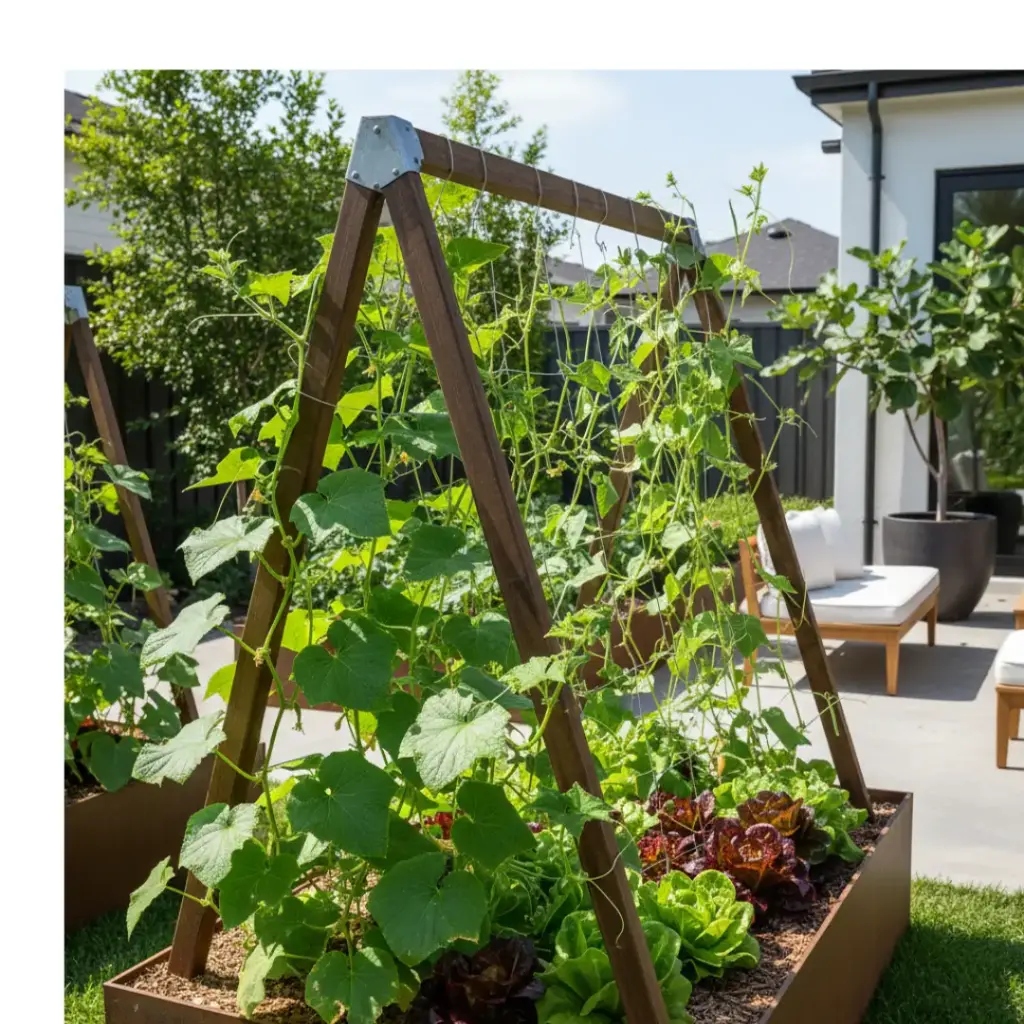
If you have a tiny yard, go up instead of out. I use A-frames for my cucumbers and pole beans to save massive amounts of ground space.
It’s basically a skyscraper for your veggies, and harvesting at eye level is a total game-changer.
- Air Circulation: Prevents powdery mildew by keeping leaves off the ground.
- Easy Harvest: You see every single cucumber before it turns into a giant blimp.
- Shade Creation: Plant lettuce underneath to keep it cool during summer heat.
3. The “Keyhole” Efficiency Design
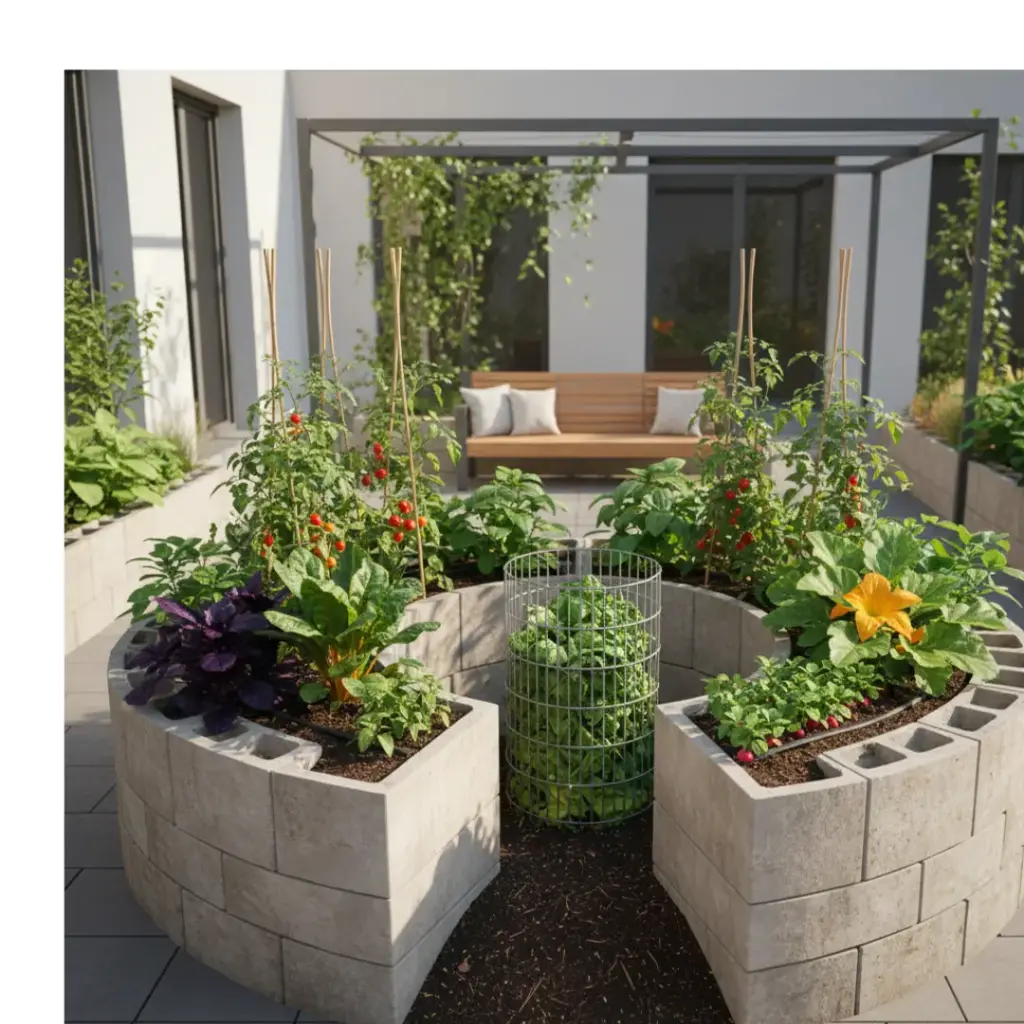
Keyhole gardens are circular beds with a central composting basket and a small “walk-in” notch.
This layout literally feeds itself while you sit back and relax. FYI, this is arguably the most sustainable way to grow a massive amount of food in a small footprint.
- Self-Fertilizing: Kitchen scraps go in the center and feed the roots directly.
- Water Conservation: The design retains moisture better than traditional rows.
- Accessible Reach: You can touch every plant from the central standing point.
4. Edible Landscaping Borders
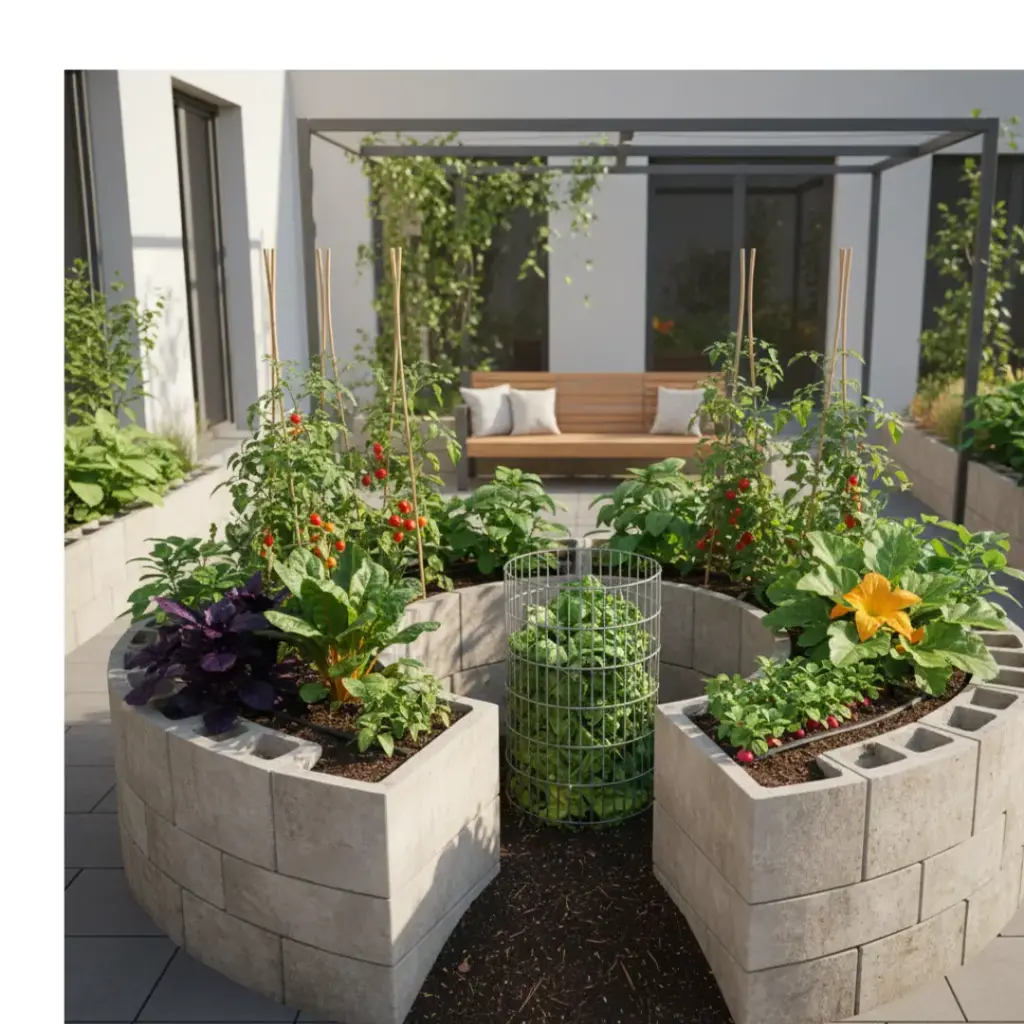
Who says your front yard can’t be delicious? I replaced my boring shrubs with blueberry bushes and rainbow chard years ago. It looks stunning and keeps the neighbors wondering why your “flowers” look so tasty.
- Aesthetic Appeal: Deep purple kale and bright peppers look better than hostas.
- Space Maximization: Uses existing flower beds for food production.
- Pest Confusion: Mixing veggies with flowers hides them from hungry bugs.
5. The Three Sisters Guild
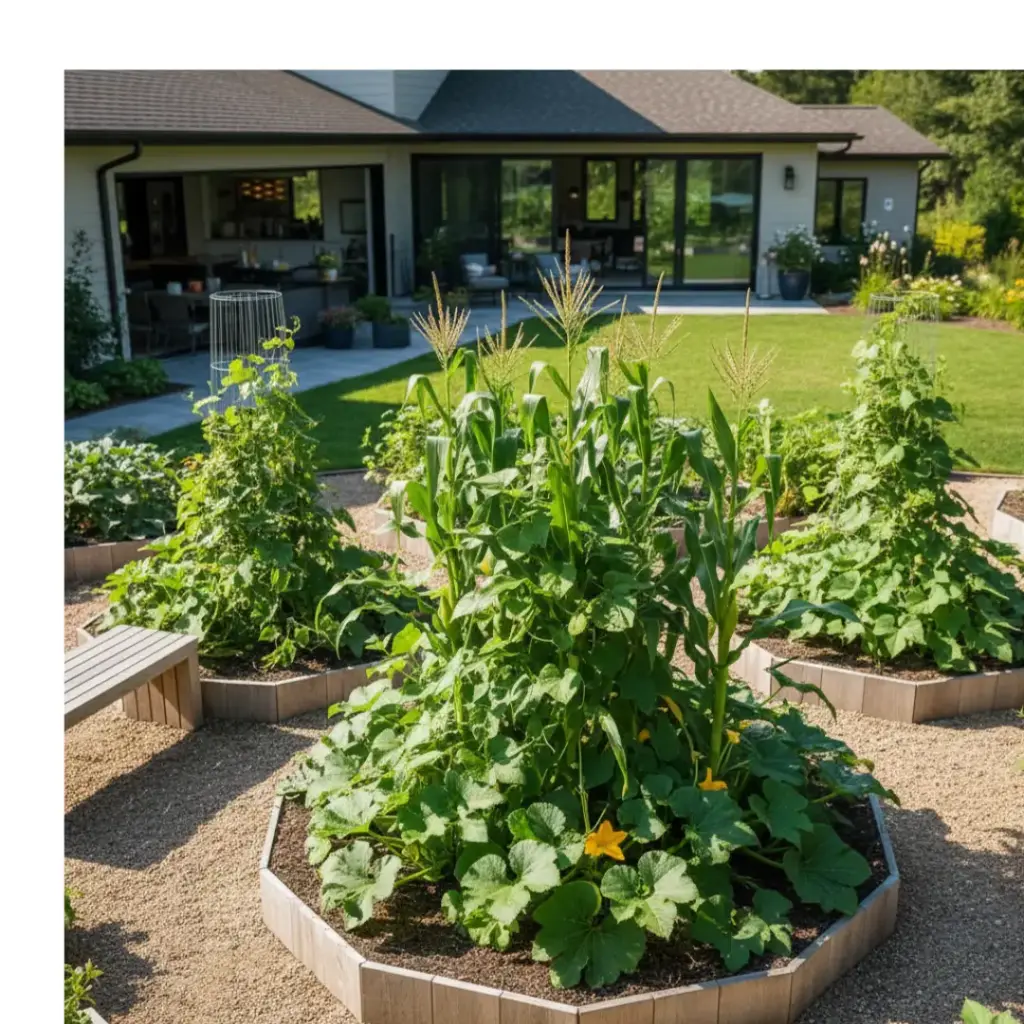
This ancient companion planting layout uses corn, beans, and squash together in a symbiotic relationship. The corn provides a pole for the beans, the beans add nitrogen, and the squash leaves act as a living mulch.
It’s nature’s perfect roommates, unlike my old college flatmates.
- Natural Support: No need for expensive plastic trellises or stakes.
- Weed Suppression: Large squash leaves block the sun from reaching weed seeds.
- Soil Health: Nitrogen-fixing beans keep the ground fertile for next year.
6. Square Foot Gardening Method
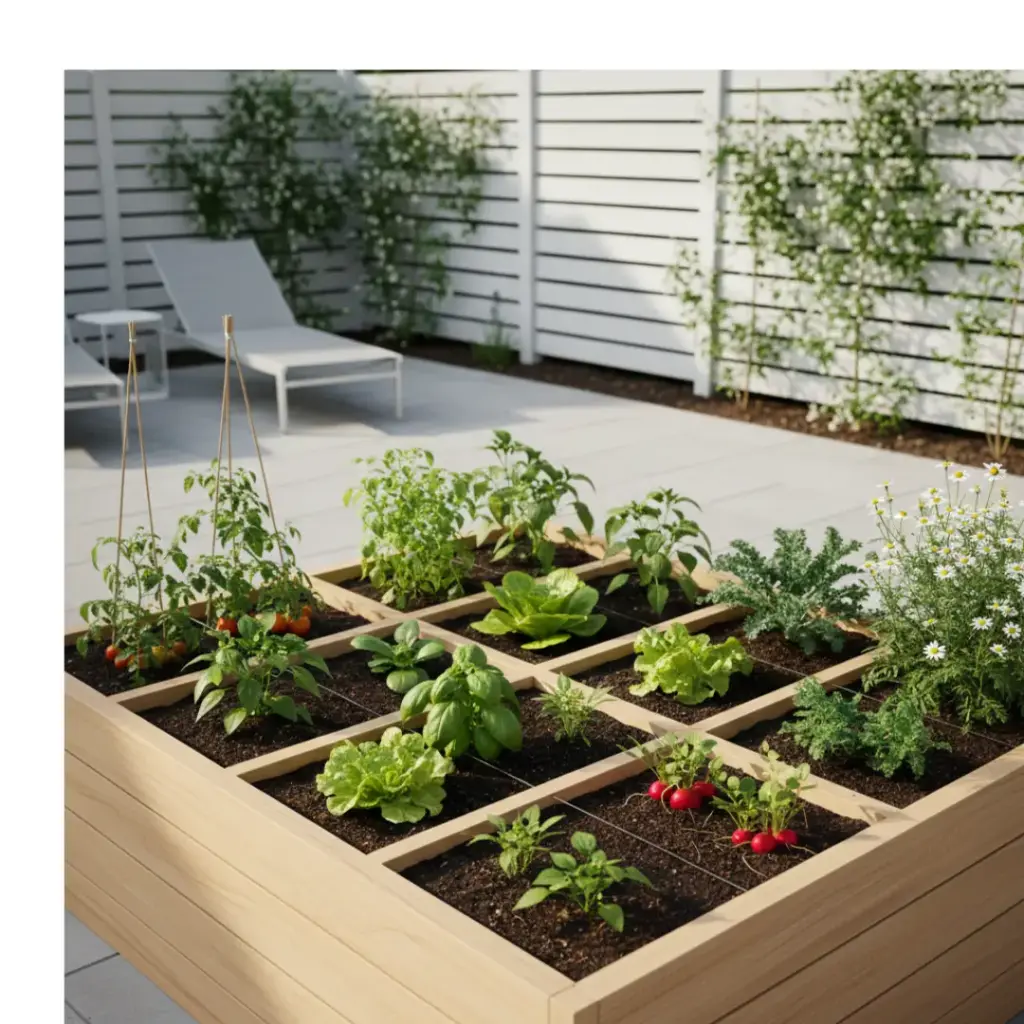
If you’re a bit obsessive-compulsive like me, this grid-based system is pure bliss. You divide your bed into one-foot squares and plant a specific number of seeds in each.
It eliminates guesswork and ensures you don’t overplant 50 zucchini plants.
- High Yield: Produces more food per square inch than traditional rows.
- Zero Waste: You plant exactly what you need, nothing more.
- Beginner Friendly: Clear rules make it nearly impossible to mess up.
7. The Intensive Kitchen Garden
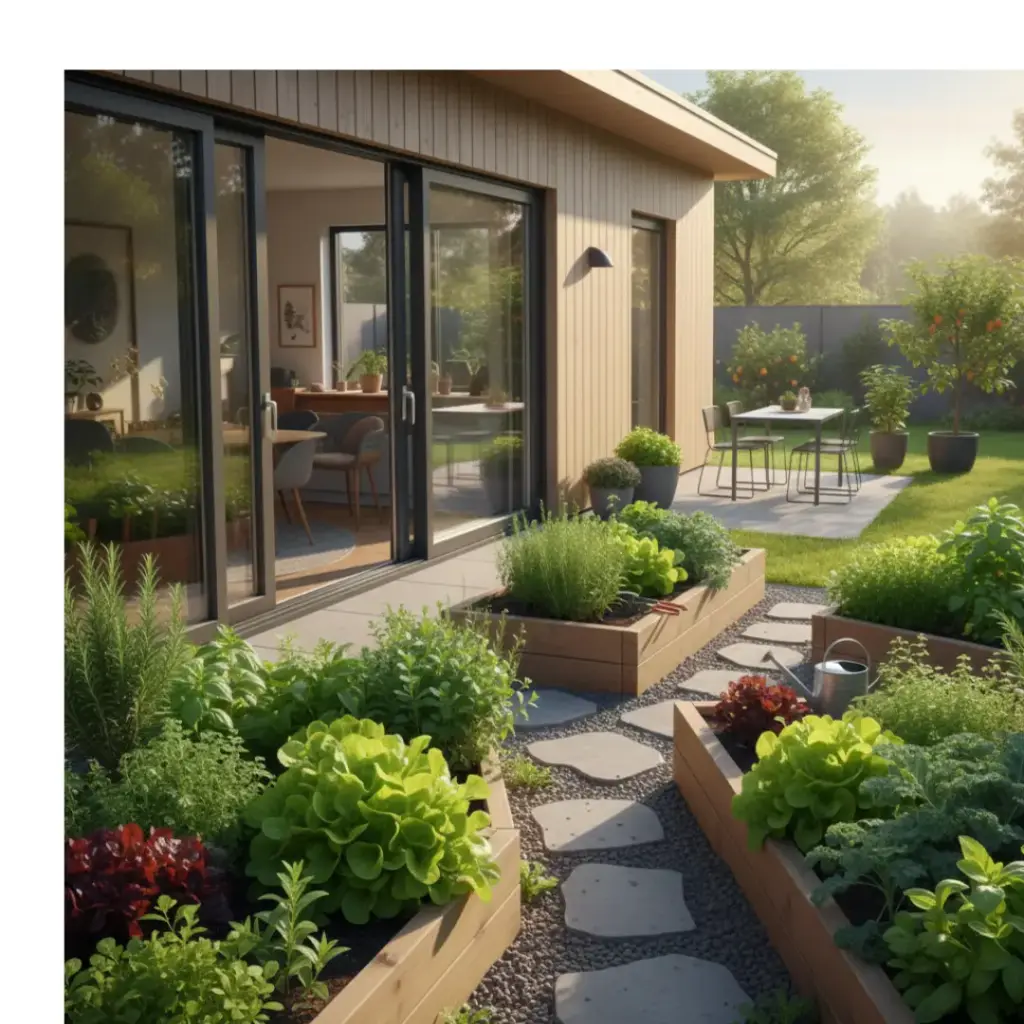
Place this layout as close to your back door as humanly possible. If I have to put on shoes to grab a sprig of rosemary, I’m probably just going to skip it.
Keeping herbs and salad greens within arm’s reach ensures you actually use them.
- Frequent Use: Encourages daily harvesting for fresh, healthy meals.
- Micro-Management: You notice pests or dry soil immediately.
- Minimal Effort: Short distance means less time spent “commuting” to the garden.
8. Potager French Garden Style
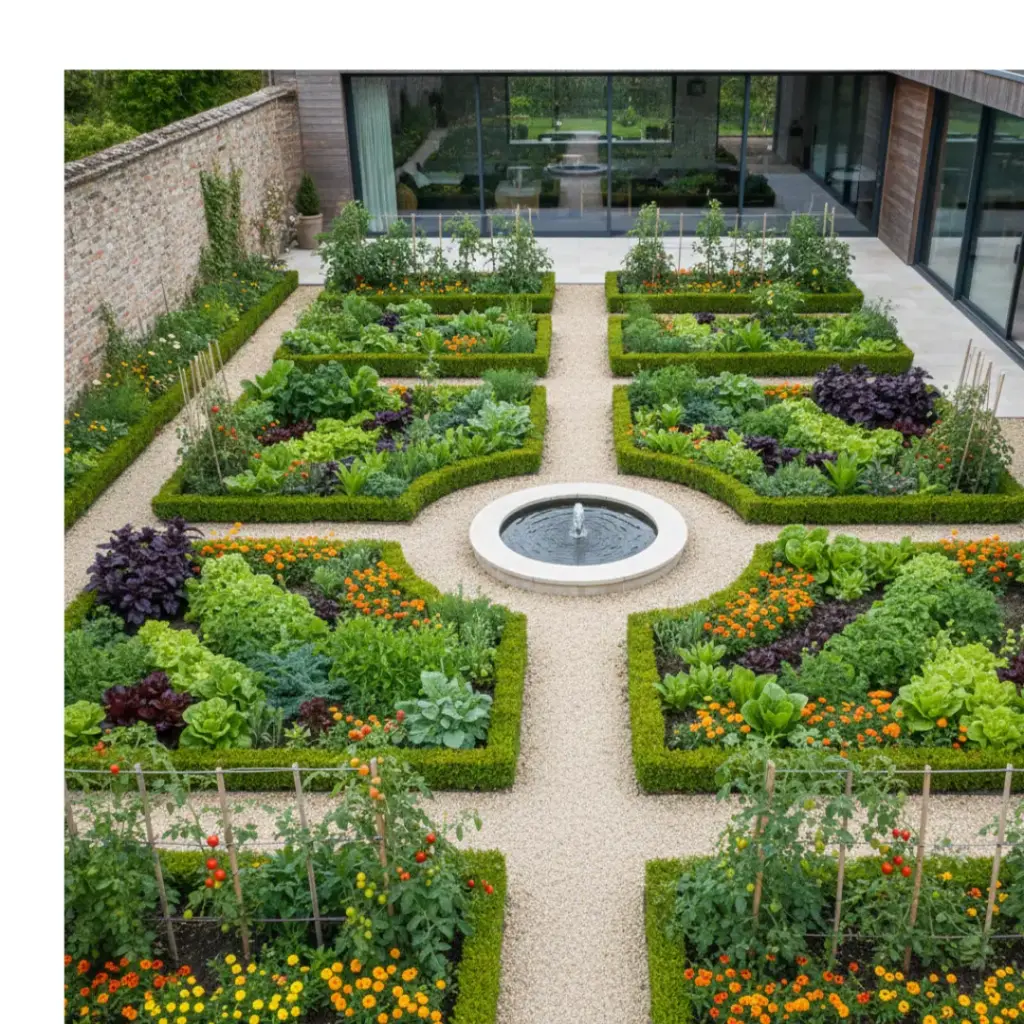
This is where beauty meets utility in a formal, symmetrical layout. Think gravel paths, boxwood edges, and neatly trimmed vegetable patches.
It turns your backyard into a romantic escape that just happens to provide dinner.
- Visual Structure: Looks organized even during the “ugly” winter months.
- Path Durability: Gravel or brick paths stay mud-free during rainy seasons.
- Pollinator Haven: Encourages mixing flowers like marigolds with your tomatoes.
9. Tiered Strawberry Towers
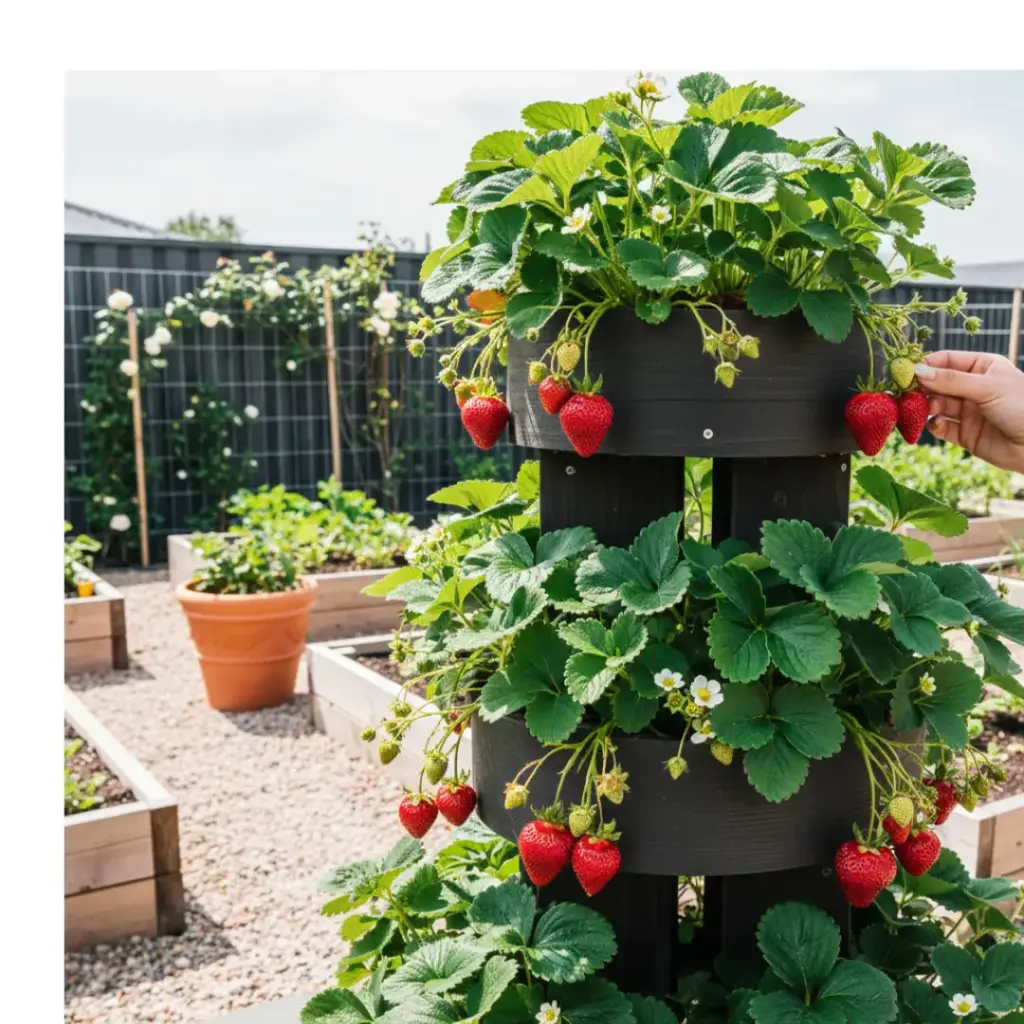
Strawberries are notorious space-hogs that love to spread their runners everywhere.
Using a tiered tower keeps them contained and prevents the fruit from rotting on damp soil. Plus, it’s much harder for slugs to climb a tower than a flat bed.
- Space Saver: Grow 50 plants in the footprint of a single tire.
- Clean Fruit: Berries stay off the dirt and away from ground pests.
- Visual Interest: Adds a vertical “pop” to a flat garden landscape.
10. The Greenhouse Lean-To
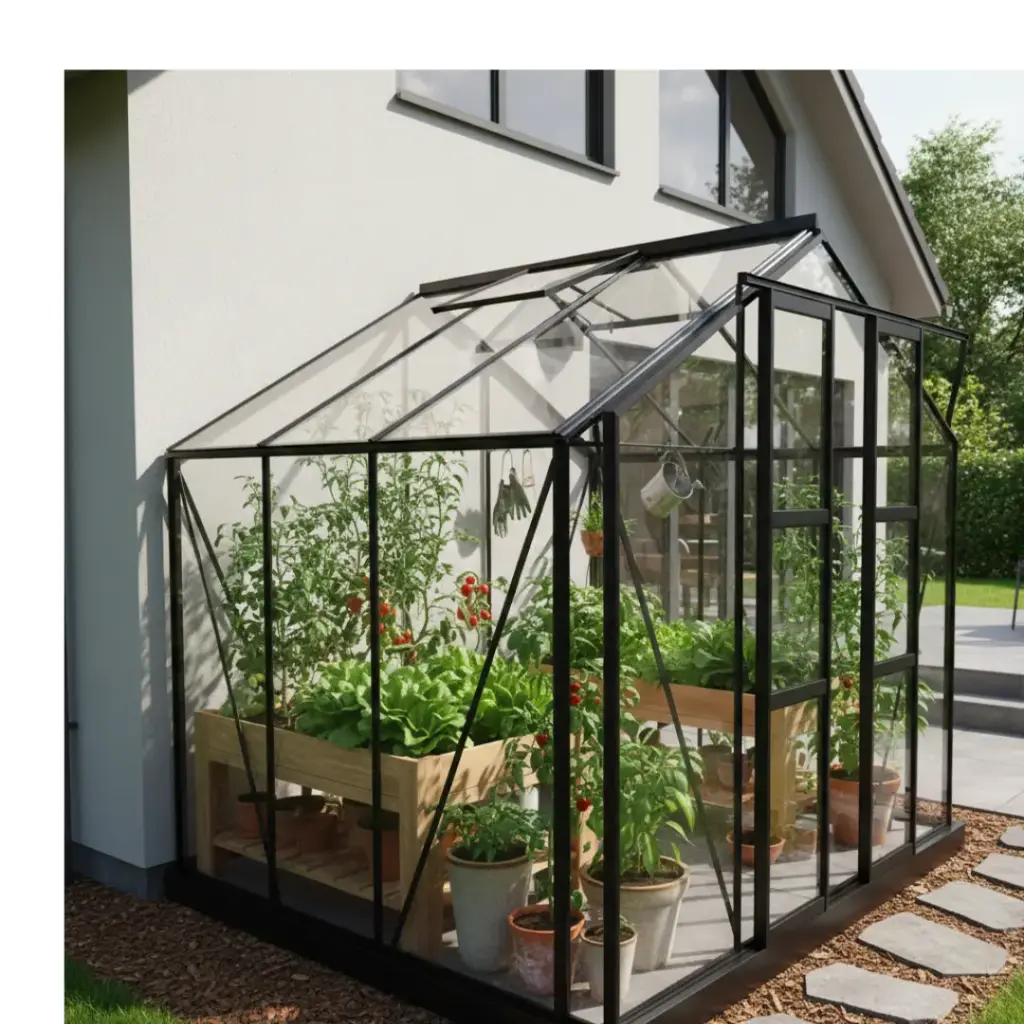
For those of us in colder climates, a lean-to against the house is a lifesave
It uses the thermal mass of your home’s wall to keep plants warm at night. IMO, extending your growing season by two months is worth the weekend project. 🙂
- Temperature Control: Protects sensitive peppers and tomatoes from early frosts.
- Tool Storage: Provides a dry place to keep your gloves and trowels.
- Year-Round Growing: Allows for winter spinach and hardy greens.
11. Large Container Garden
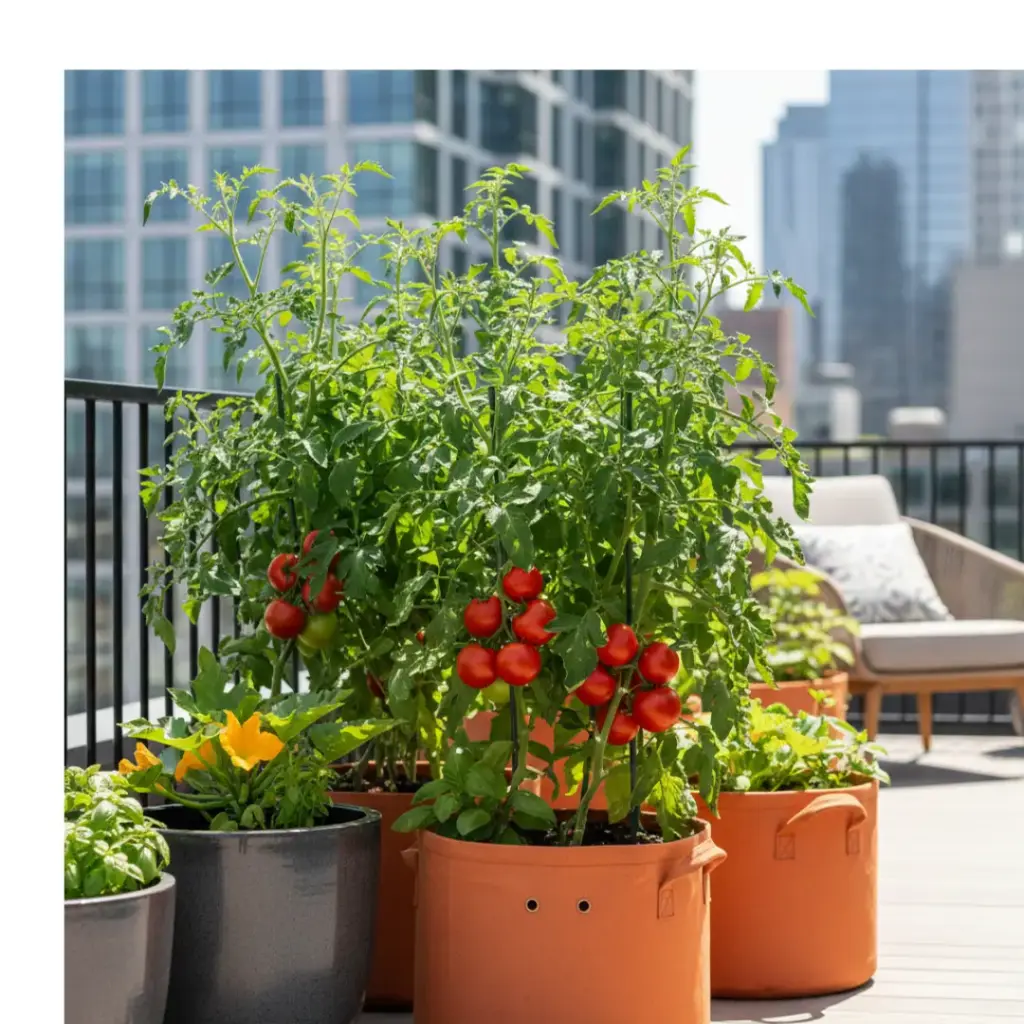
Don’t have a yard at all? Big pots on a deck or patio work just fine.
I’ve grown massive beefsteak tomatoes in 5-gallon buckets with zero issues. Just make sure you have drainage holes, or you’re just making a vegetable swamp.
- Mobility: Move your plants to follow the sun throughout the day.
- Soil Purity: Avoids soil-borne diseases often found in old backyard dirt.
- Low Maintenance: No tilling or heavy digging required.
12. Livestock-Integrated “Chicken Moat”
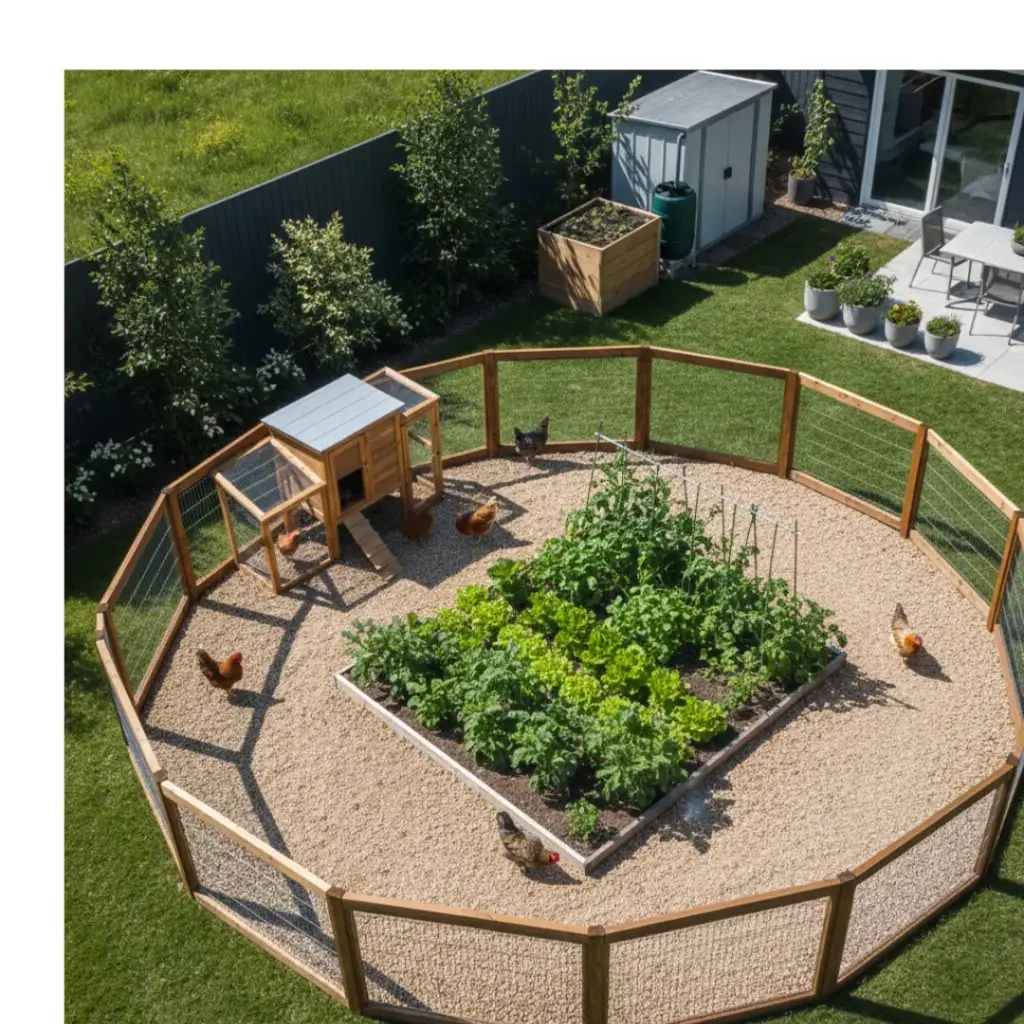
This is a bit “pro-level,” but circling your garden with a double-fenced chicken run is genius.
The chickens eat the bugs trying to get in and provide fertilizer for the perimeter. It’s like having a tiny, feathered security detail.
- Pest Barrier: Chickens intercept grasshoppers and slugs before they reach the kale.
- Free Fertilizer: Chicken droppings can be composted for incredible soil.
- Dual Purpose: Provides fresh eggs and fresh veggies in one zone.
13. Spiraled Herb Garden
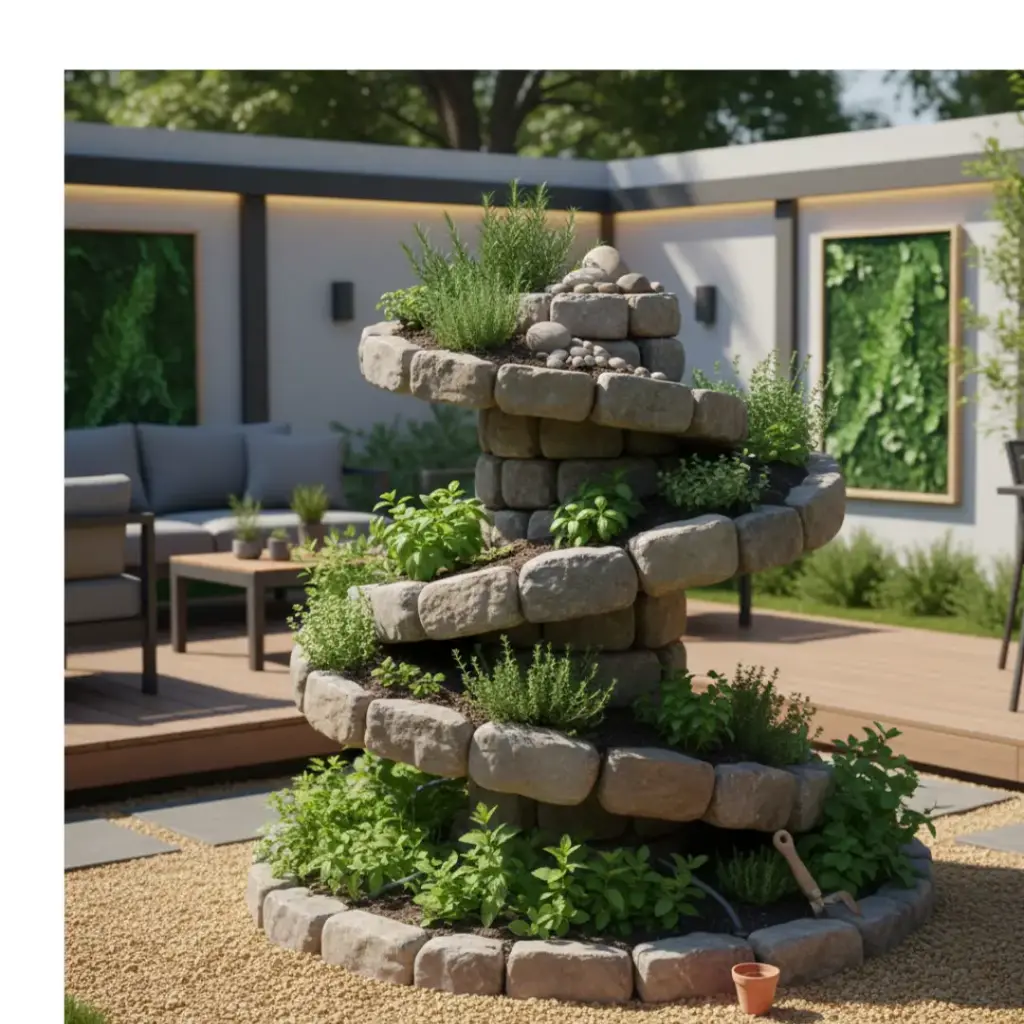
Herb spirals use rocks to create different microclimates in a very small area. The top is dry and sunny for rosemary, while the bottom stays moist for mint or parsley.
Why didn’t we all start doing this years ago?
- Climate Variation: Allows diverse herbs to thrive in one compact structure.
- Gravity Watering: Water at the top trickles down to the moisture-lovers below.
- Verticality: Adds a unique architectural element to the yard.
14. Wide Row Planting
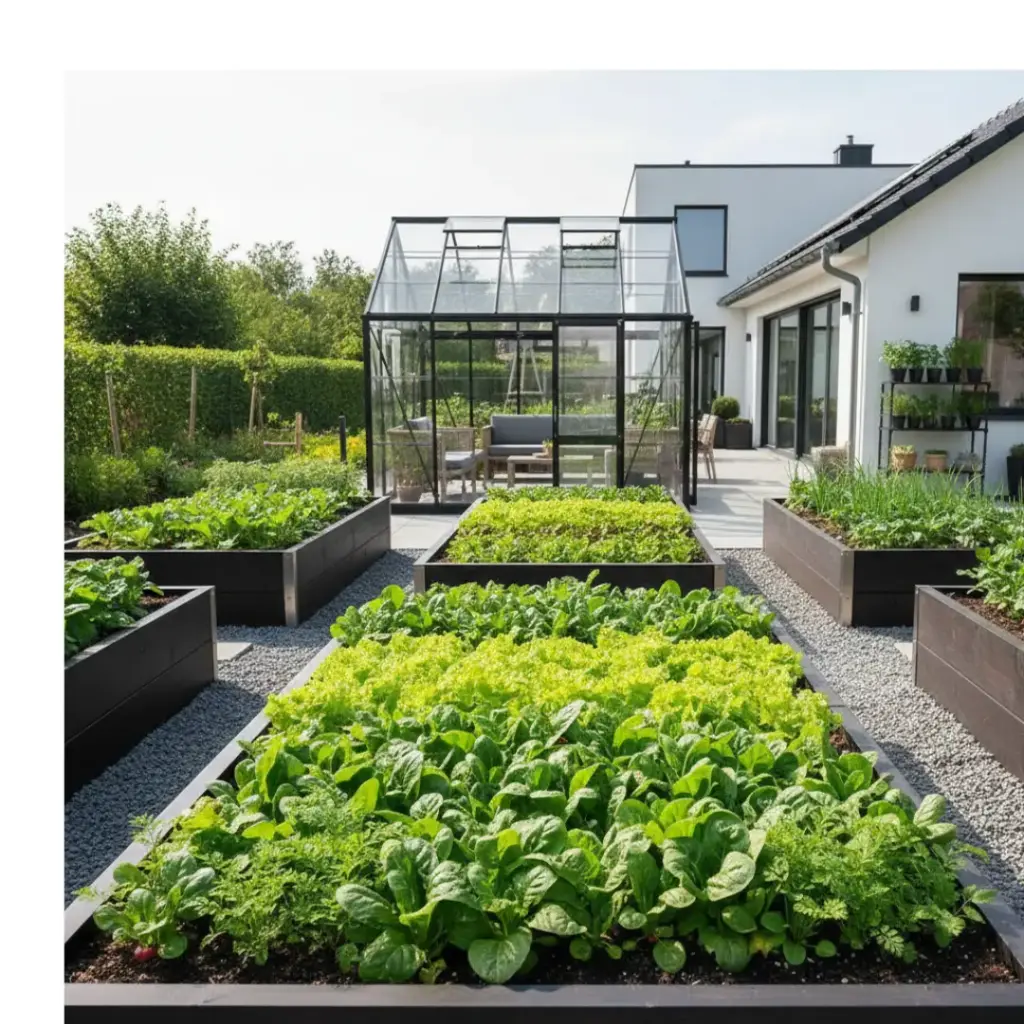
Forget single-file lines like a school hallway. Planting in 2-foot wide “carpets” of greens or carrots maximizes space and shades the soil.
It feels much more natural and looks like a lush green rug.
- Moisture Retention: Dense planting keeps the soil cool and damp.
- Less Weeding: The veggies outcompete the weeds for sunlight.
- Bulk Harvest: Perfect for crops you want to freeze or can in large batches.
15. The “Zig-Zag” Offset Row
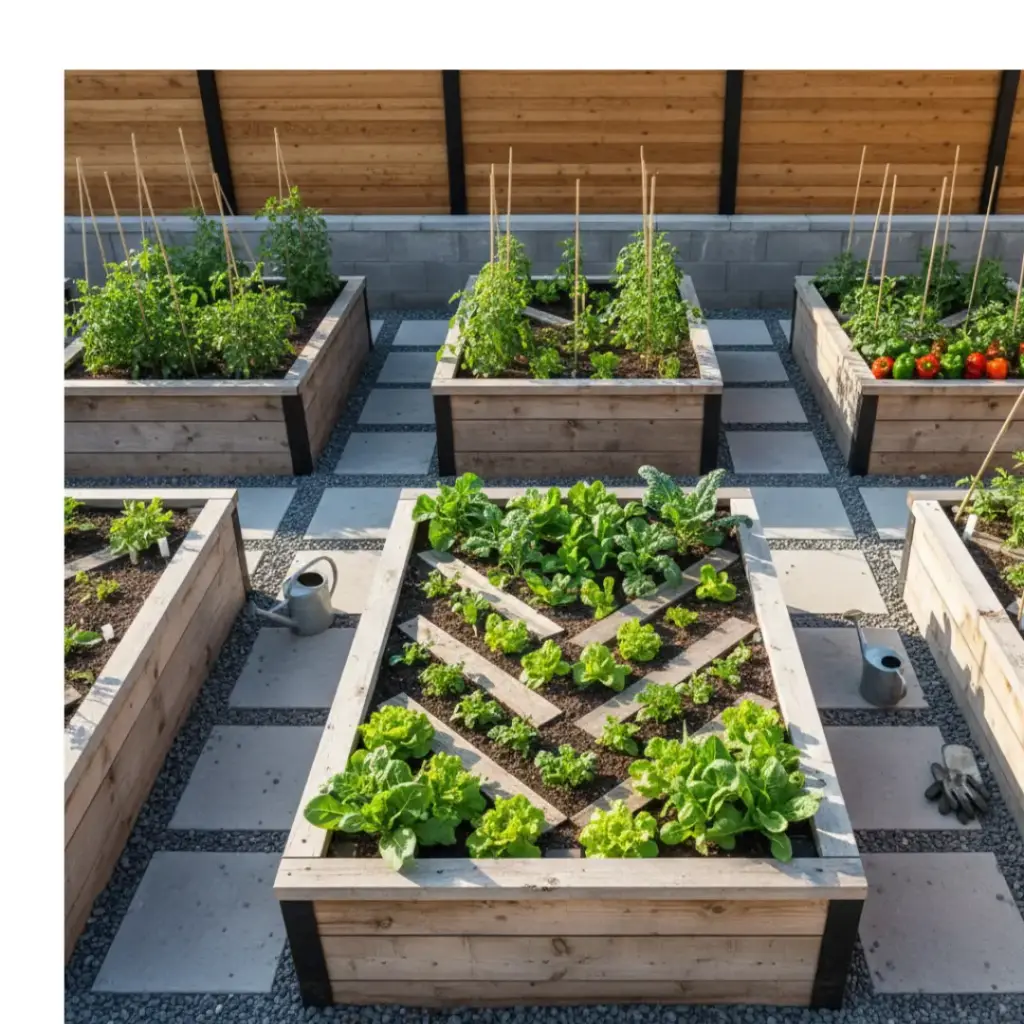
Instead of lining plants up directly behind each other, offset them in a “W” pattern. This allows each plant more room for its roots and leaves without increasing the total bed size. It’s a simple geometry trick that yields more food.
- Air Flow: Reduces the risk of fungus by increasing space between stems.
- Light Exposure: Prevents taller plants from completely shading their neighbors.
- Harvest Access: Easier to reach into the row without snapping stems.
16. Cattle Panel Archway
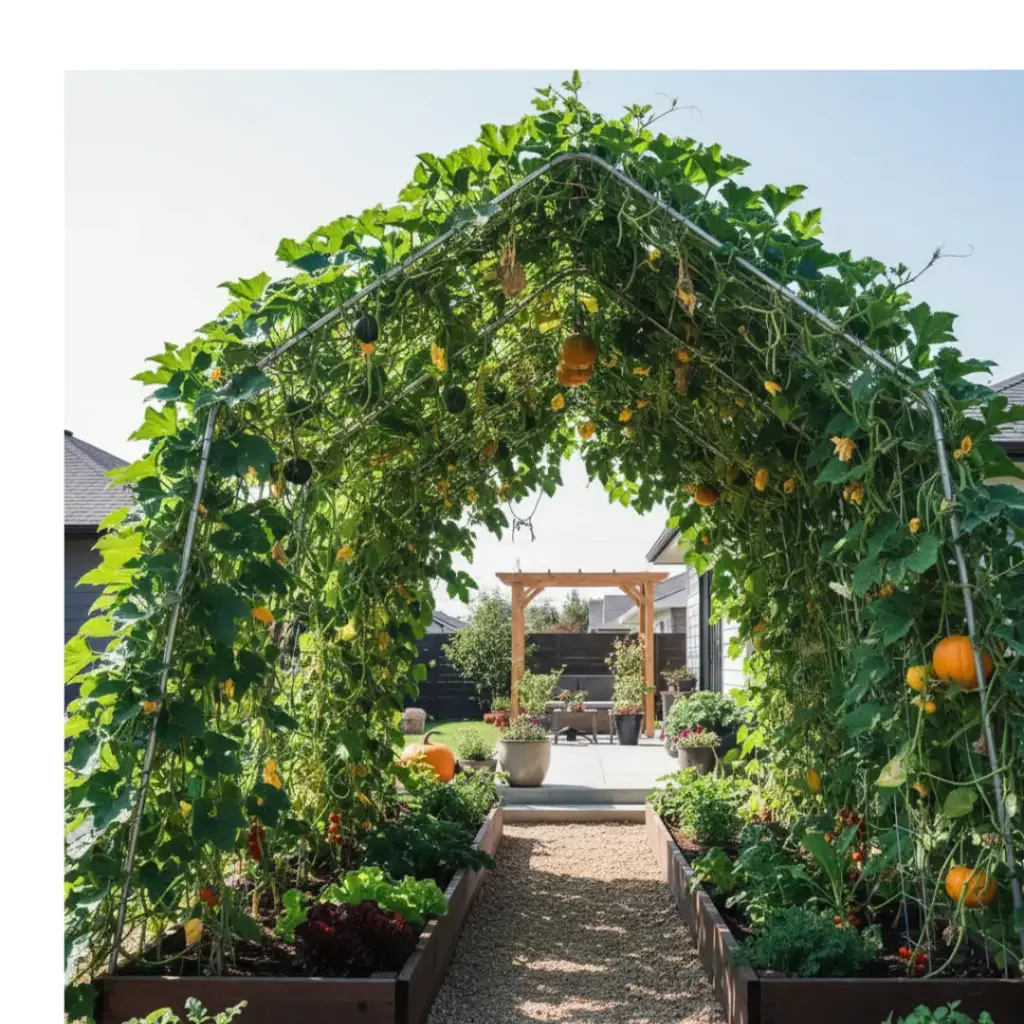
Lean two cattle panels together to create a walk-through tunnel. Planting squash or beans at the base creates a magical green cathedral by mid-summer.
It’s the ultimate “Pinterest-worthy” garden feature that is actually functional.
- Heavy Duty: Can support the weight of heavy pumpkins or melons.
- Vertical Efficiency: Frees up the entire ground area for low-growing crops.
- Unique Aesthetic: Creates a stunning focal point for any backyard.
17. The No-Till Lasagna Garden
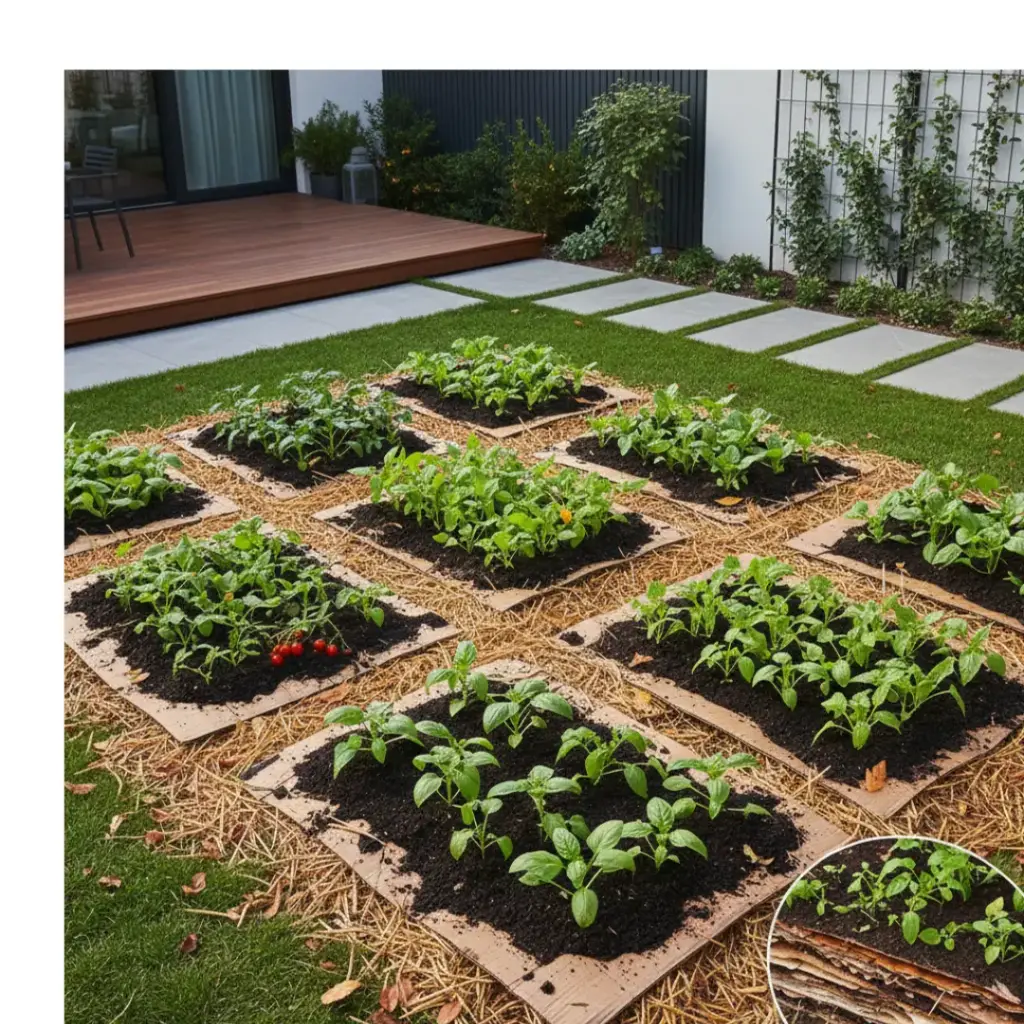
Stop digging and start layering. You stack cardboard, compost, straw, and leaves to create a rich planting environment directly on top of your grass. It’s the lazy gardener’s dream, and honestly, the soil quality is usually superior.
- Back Saver: No heavy machinery or grueling tilling required.
- Weed Death: The cardboard base smothers existing grass and weeds.
- Microbe Heaven: Preserves the natural fungal networks in the soil.
I’ve given you the blueprints, so now it’s your turn to get your hands dirty. Gardening isn’t about perfection; it’s about figuring out which layout makes you want to spend time outside. Whether you go for a fancy Potager or a simple bucket garden, you’ll be eating better than 90% of the population. Would you like me to help you pick the best vegetables for your specific climate to match these layouts?