INTRODUCTION: There is something undeniably nostalgic about the complex, savory flavors of a traditional cabbage roll. However, the time-intensive labor of blanching leaves and meticulously rolling each portion often keeps us from making them on busy weeknights. Our unstuffed cabbage roll soup offers the same hearty, soul-warming experience in a fraction of the time. It is a brilliant, one-pot solution for when you crave comfort food without the hours spent standing over a hot stove.
Why Unstuffed Cabbage Roll Soup is the Ultimate Weeknight Hero
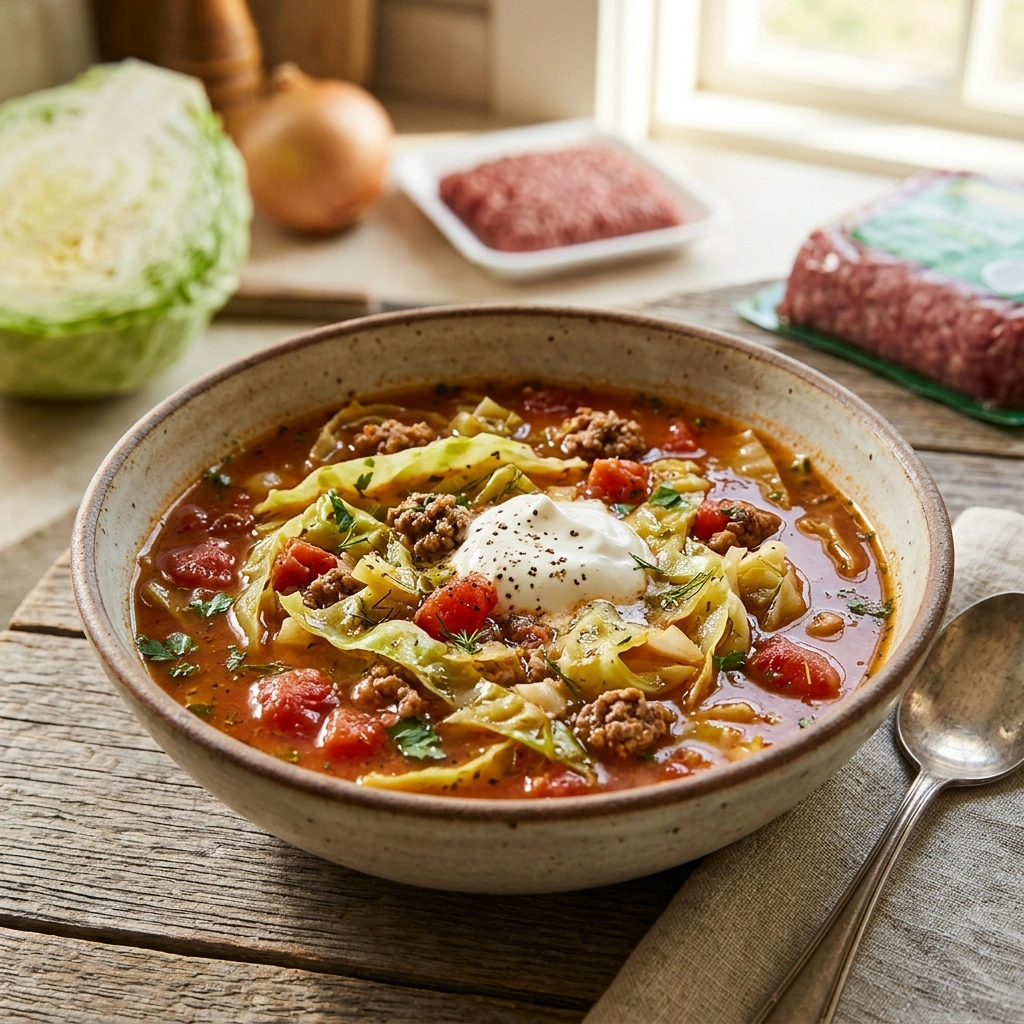
We have all been there: staring down a head of cabbage and a package of ground meat, wanting the result but dreading the process. The classic dish is a labor of love, but modern life demands efficiency without sacrificing that deep, slow-cooked character. This soup transforms those familiar components—sweet cabbage, savory aromatics, and rich tomato—into something far more approachable for a Tuesday evening. It creates a seamless bridge between heritage cooking and contemporary convenience.
Think of it as a deconstructed masterpiece where the flavors mingle more freely than they do in a tightly packed roll. When you simmer the ingredients together, the cabbage softens into a silky texture, absorbing the broth in a way that feels intentional and indulgent. Because everything cooks in a single vessel, the cleanup is refreshingly minimal. You are left with more time to actually enjoy the meal rather than scrubbing baking dishes or rolling individual parcels.
Furthermore, this unstuffed cabbage roll soup is incredibly forgiving. Unlike traditional rolls that can fall apart if not handled with surgical precision, this version thrives on its rustic, humble nature. If you want to lean into the health-conscious side, it provides a generous serving of vegetables without feeling like a “diet” meal. It is a hearty, nutrient-dense bowl that manages to satisfy even the most fervent comfort food enthusiasts.
Mastering the Foundation: Choosing Your Proteins and Aromatics
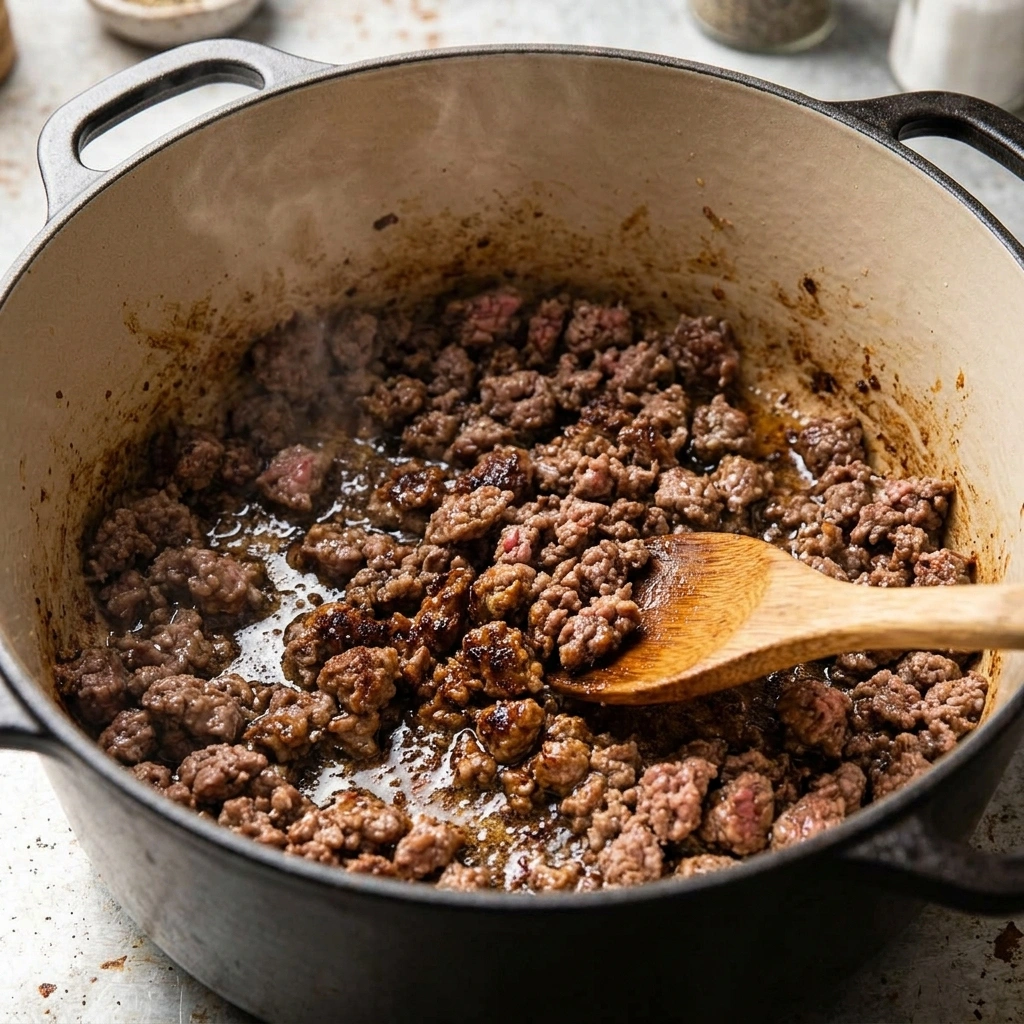
The backbone of any great soup lies in how you build your flavor base. While ground beef is the standard for a traditional feel, you have plenty of latitude here. Lean ground turkey or a combination of pork and beef can offer a lighter or richer profile, depending on your preference. Browning the meat thoroughly is the first step toward success; do not rush this process, as those caramelized brown bits on the bottom of the pot are essential for depth.
Once your protein is beautifully browned, the aromatics take center stage. Yellow onions are non-negotiable for that foundational sweetness, but how you handle the garlic makes a significant difference. Try adding your minced garlic only during the final minute of sautéing the onions. This prevents the delicate garlic from burning, which would introduce a bitter note that could linger in the finished broth. You want fragrance, not charred intensity.
Some cooks find that preparing cabbage soup at home is daunting because they worry about seasoning. To avoid a bland result, use a high-quality beef or vegetable stock rather than water as your liquid base. A splash of Worcestershire sauce or a spoonful of tomato paste, cooked down with the meat and aromatics, provides a hidden layer of umami. This “secret” addition ensures your broth has enough body to stand up to the sturdy cabbage leaves.
The Art of the Perfect Cabbage Cut
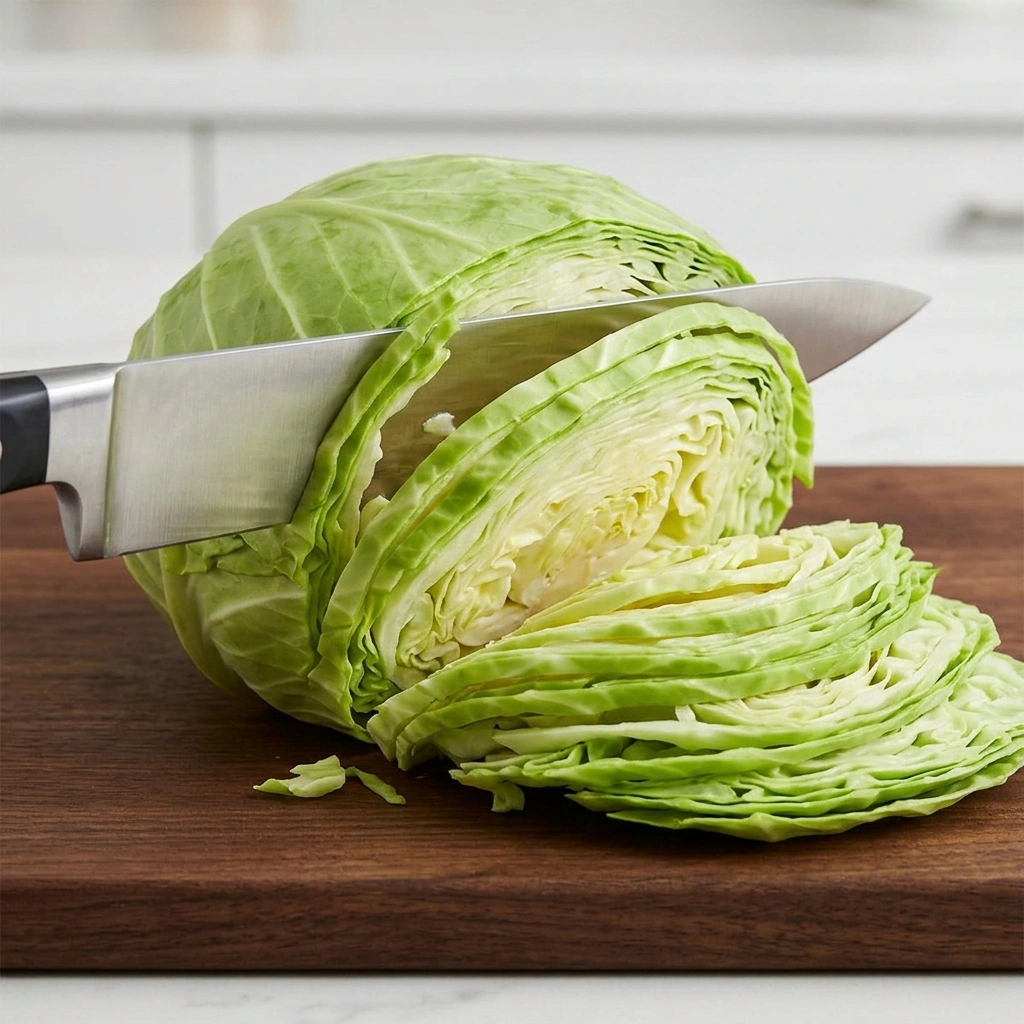
Cabbage is the star of this show, but its texture depends entirely on how you slice it. If you cut the ribbons too thick, they will remain tough and chewy even after extended simmering. If you cut them too thin, they may disintegrate into the broth, losing the structural integrity that makes the dish satisfying. Aim for ribbons about a half-inch wide; this allows them to soften beautifully while still providing a pleasant “bite” against the tender ground meat.
There is also the question of which variety to use. Standard green cabbage is the classic choice, offering a mild flavor and the perfect density for soups. If you want something slightly more tender, savoy cabbage is a fantastic cabbage soup alternative that looks beautiful in the bowl with its crinkly, textured leaves. Whatever you choose, be sure to remove the tough, woody core before slicing. That part of the vegetable rarely softens enough to be enjoyable in a soup.
Do not be discouraged by the sheer volume of raw cabbage in the colander. It looks like an overwhelming amount, but cabbage has a high water content and will wilt significantly once it hits the hot, bubbling broth. If you feel your pot is too full at the beginning, wait two minutes. The volume will decrease rapidly as the heat begins its work, creating the perfect ratio of vegetable to liquid.
Achieving Balance: Tomatoes, Broth, and Those Hidden Carbs
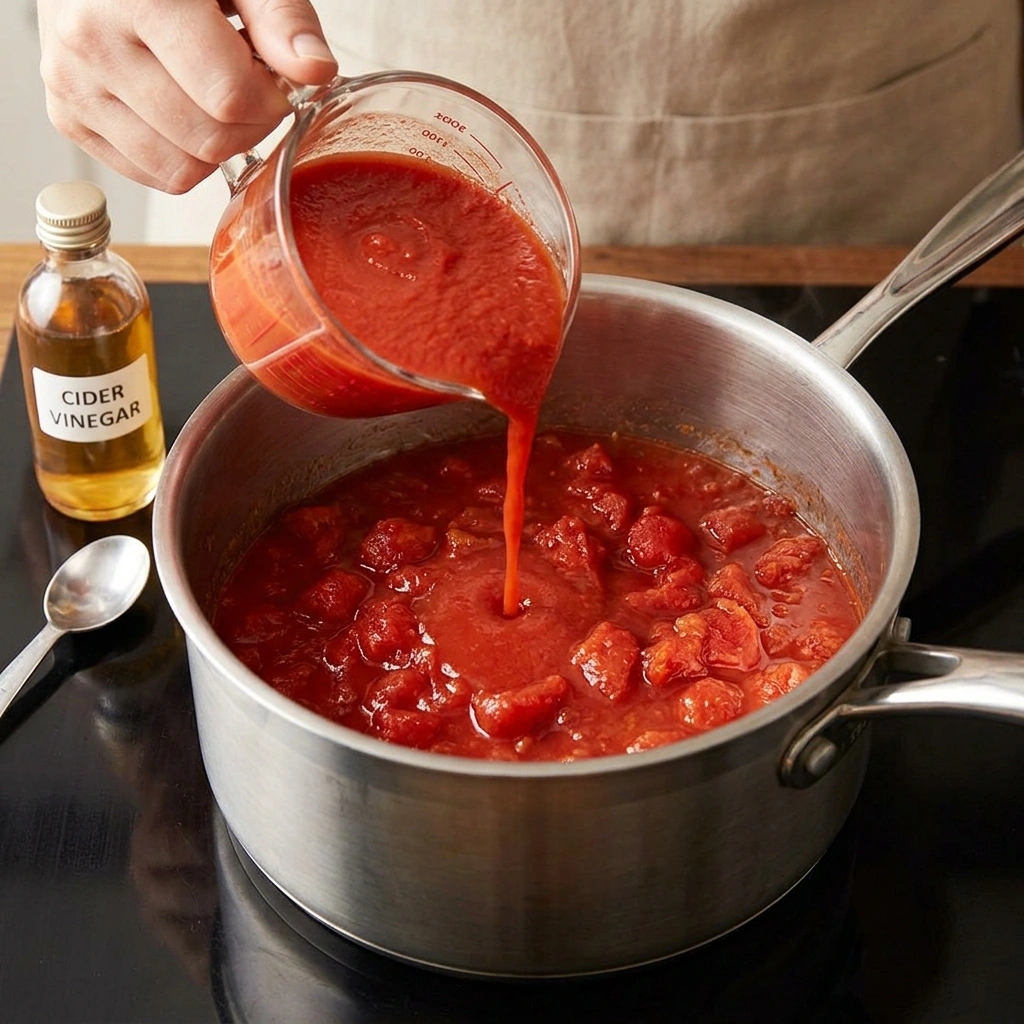
The acidity of the tomato is what cuts through the richness of the meat and the natural sweetness of the cabbage. Using a combination of diced canned tomatoes and a bit of tomato sauce gives you the best of both worlds: texture and a smooth, cohesive broth. If you prefer a brighter flavor, adding a teaspoon of cider vinegar at the very end of the cooking process can lift the entire dish. It is a professional trick that makes the flavors pop.
Many versions of this dish include rice to mimic the filling of a traditional roll. However, how you add the rice matters immensely. If you boil it directly in the soup for too long, the starch will thicken the broth into a porridge-like consistency, which changes the character of the dish entirely. For the best result, consider cooking your rice separately or adding it only during the final ten minutes of simmering. This ensures each grain stays distinct.
If you find yourself wondering how to make unstuffed cabbage roll soup a more complete meal, you can easily experiment with grains. Quinoa or pearl barley are excellent additions that add a lovely nuttiness and extra fiber. Just remember that these ingredients absorb liquid at different rates. If you choose an alternative grain, keep an extra cup of stock on hand to thin the soup out if it becomes too dense while standing.
Troubleshooting Your Batch: Texture, Seasoning, and Storage
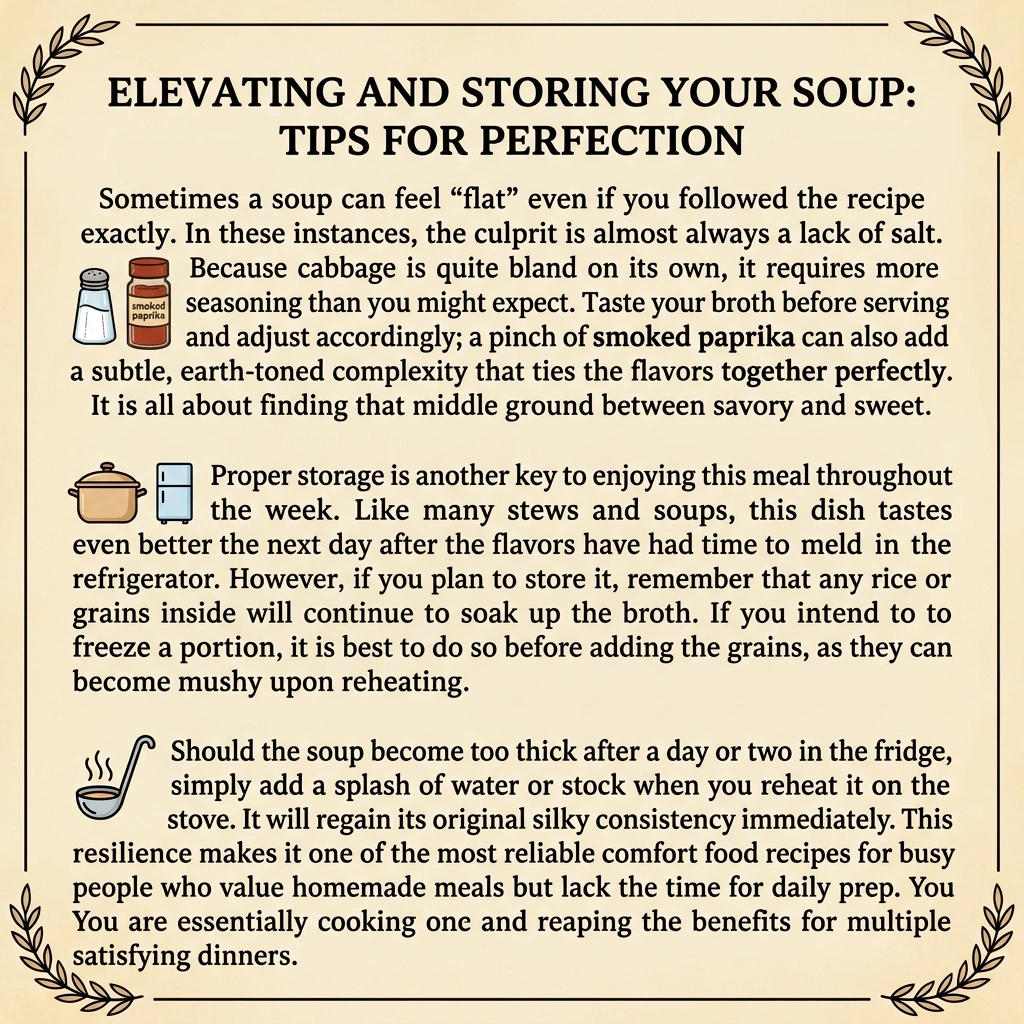
Sometimes a soup can feel “flat” even if you followed the recipe exactly. In these instances, the culprit is almost always a lack of salt. Because cabbage is quite bland on its own, it requires more seasoning than you might expect. Taste your broth before serving and adjust accordingly; a pinch of smoked paprika can also add a subtle, earth-toned complexity that ties the flavors together perfectly. It is all about finding that middle ground between savory and sweet.
Proper storage is another key to enjoying this meal throughout the week. Like many stews and soups, this dish tastes even better the next day after the flavors have had time to meld in the refrigerator. However, if you plan to store it, remember that any rice or grains inside will continue to soak up the broth. If you intend to freeze a portion, it is best to do so before adding the grains, as they can become mushy upon reheating.
Should the soup become too thick after a day or two in the fridge, simply add a splash of water or stock when you reheat it on the stove. It will regain its original silky consistency immediately. This resilience makes it one of the most reliable comfort food recipes for busy people who value homemade meals but lack the time for daily prep. You are essentially cooking once and reaping the benefits for multiple satisfying dinners.
Serving Suggestions and Final Flourishes
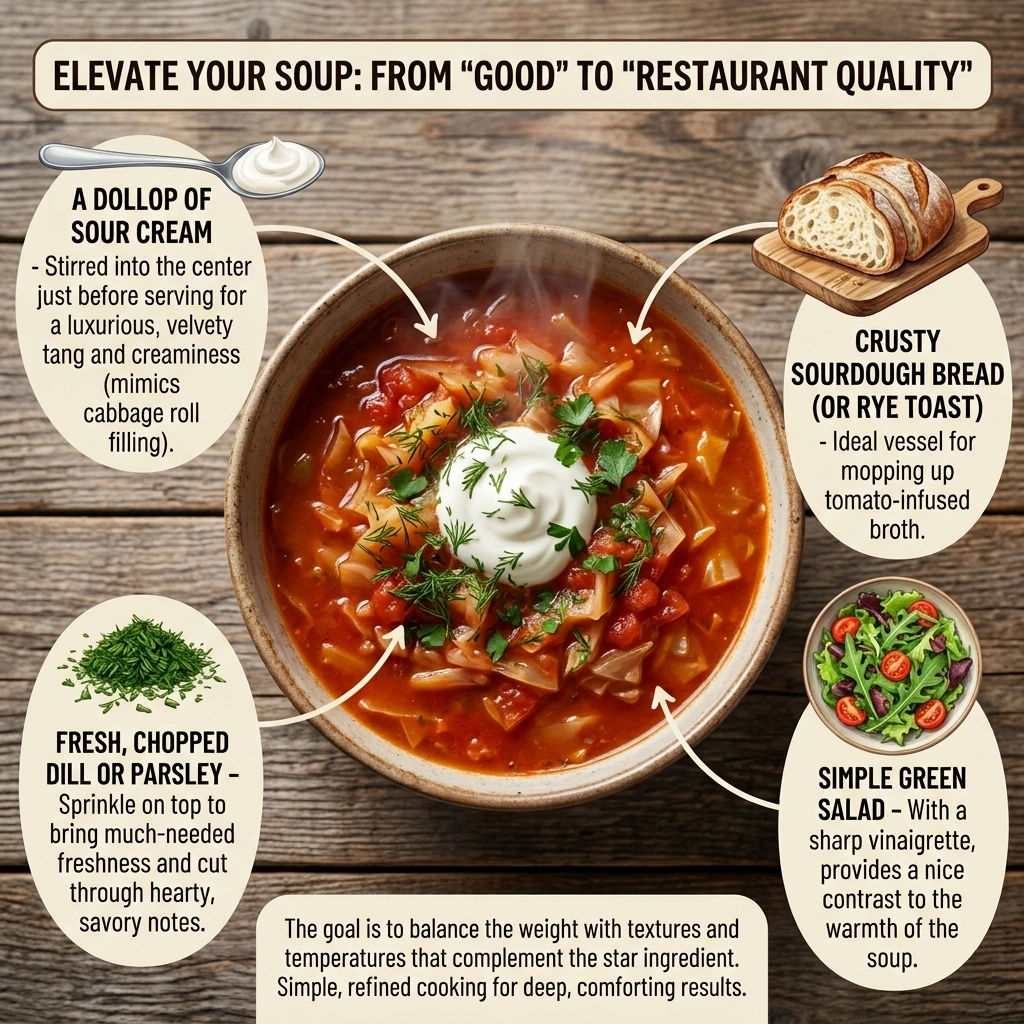
While the soup is a meal in itself, a few simple additions can elevate the experience from “good” to “restaurant quality.” A dollop of sour cream stirred into the center of the bowl just before serving adds a luxurious, velvety tang that mimics the creaminess of a traditional cabbage roll filling. Alternatively, a sprinkle of fresh, chopped dill or parsley brings a much-needed freshness that cuts through the hearty, savory notes of the tomato-based broth.
Do not underestimate the power of a side dish. A slice of crusty, sourdough bread or a piece of rye toast is the ideal vessel for mopping up every last drop of the tomato-infused broth. If you want to keep things lighter, a simple green salad dressed with a sharp vinaigrette provides a nice contrast to the warmth of the soup. The goal is to balance the weight of the dish with textures and temperatures that complement the star ingredient.
Ultimately, this recipe is about celebrating the art of simple, honest cooking. By stripping away the complexity of the traditional roll, you are not losing the essence of the dish; you are simply refining how you access it. It proves that you do not need hours of labor to achieve a deep, comforting result. Whether you are cooking for a family or just yourself, this dish stands as a testament to the power of a well-made pot of soup.
CONCLUSION: There is no need to overcomplicate a classic when you have a version that hits every mark of comfort. By focusing on quality stock, the right cut of cabbage, and controlled simmering, you create a dinner that feels earned rather than rushed. This unstuffed cabbage roll soup proves that the best meals are often the ones that prioritize flavor over fuss. Grab a large pot, pull together your ingredients, and enjoy the cozy results tonight.